
Modern safety management systems depend on well-integrated tools that turn regulatory obligations into operational advantages. The right combination of software, processes, and resources enables organizations to identify hazards, manage incidents, ensure compliance, and build sustainable safety cultures.
Digital safety management platforms have become essential infrastructure for organizations managing workplace safety. These tools centralize documentation, automate compliance tracking, and provide real-time visibility into safety performance across operations.
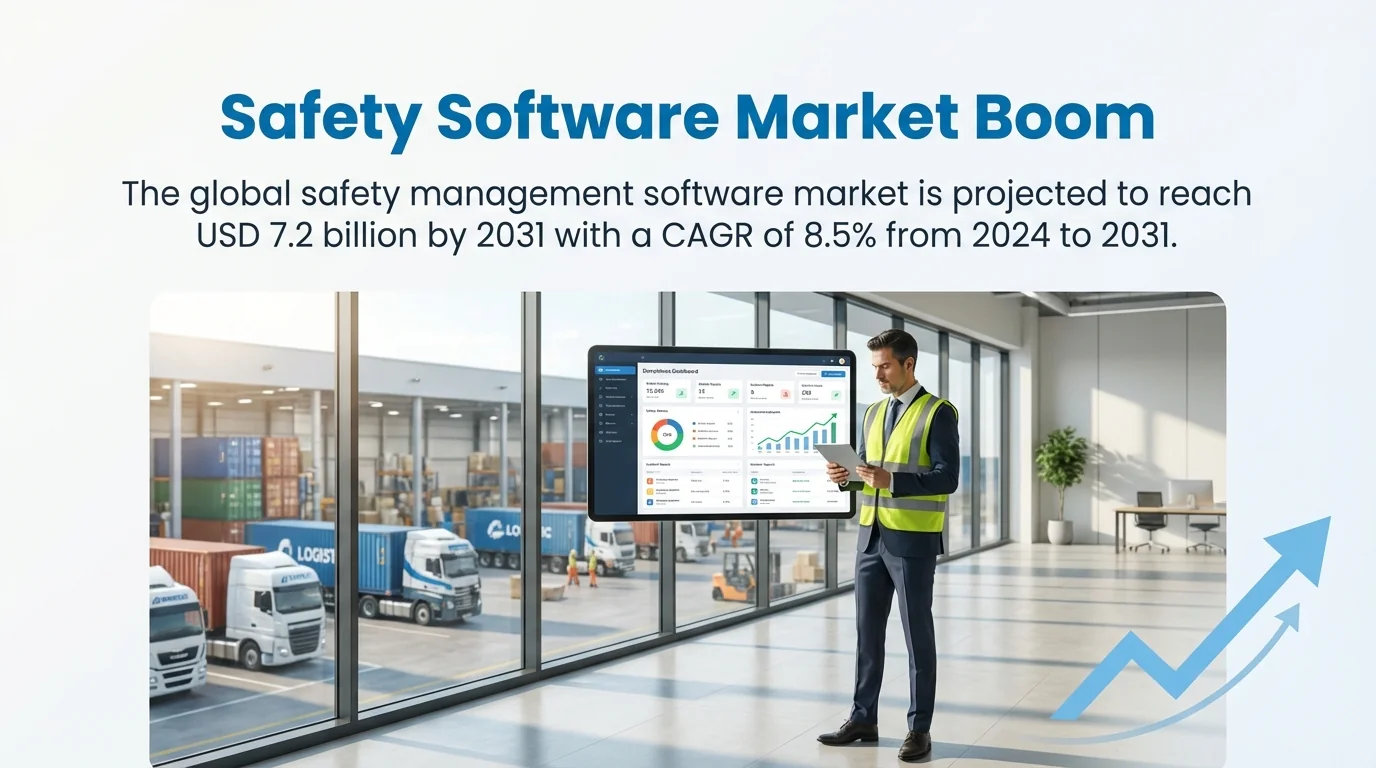
The global safety management software market is projected to reach USD 7.2 billion by 2031 with a CAGR of 8.5% from 2024 to 2031, reflecting the increasing importance of technology-enabled safety management.
This article examines the core tools and technologies that form effective safety management systems. We’ll explore incident management capabilities, audit functions, compliance tracking, hazard assessment tools, training platforms, and mobile solutions that support field operations.
What Safety Management System Software Actually Delivers
Safety management software serves as the digital backbone for workplace safety programs. These platforms integrate multiple safety functions into centralized systems that support proactive risk management.
At their core, SMS tools digitize processes that traditionally relied on paper-based systems. They connect incident reporting, hazard identification, audit management, compliance tracking, and safety training into unified platforms.
Modern EHS software provides several foundational capabilities:
- Centralized safety data management across multiple sites and operations
- Real-time reporting and analytics dashboards for safety performance
- Automated workflows that route safety issues to appropriate personnel
- Mobile access for field workers and front-line supervisors
- Compliance tracking aligned with regulatory requirements
These systems transform safety management from reactive incident response to proactive risk mitigation. Organizations gain visibility into leading indicators rather than relying solely on lagging metrics.
Cloud-based platforms have become the standard deployment model. They offer scalability for growing organizations and enable access from any location with internet connectivity.
The most effective safety management software integrates with existing business systems. Connections to HR platforms, operations management tools, and enterprise resource planning systems create seamless data flow.
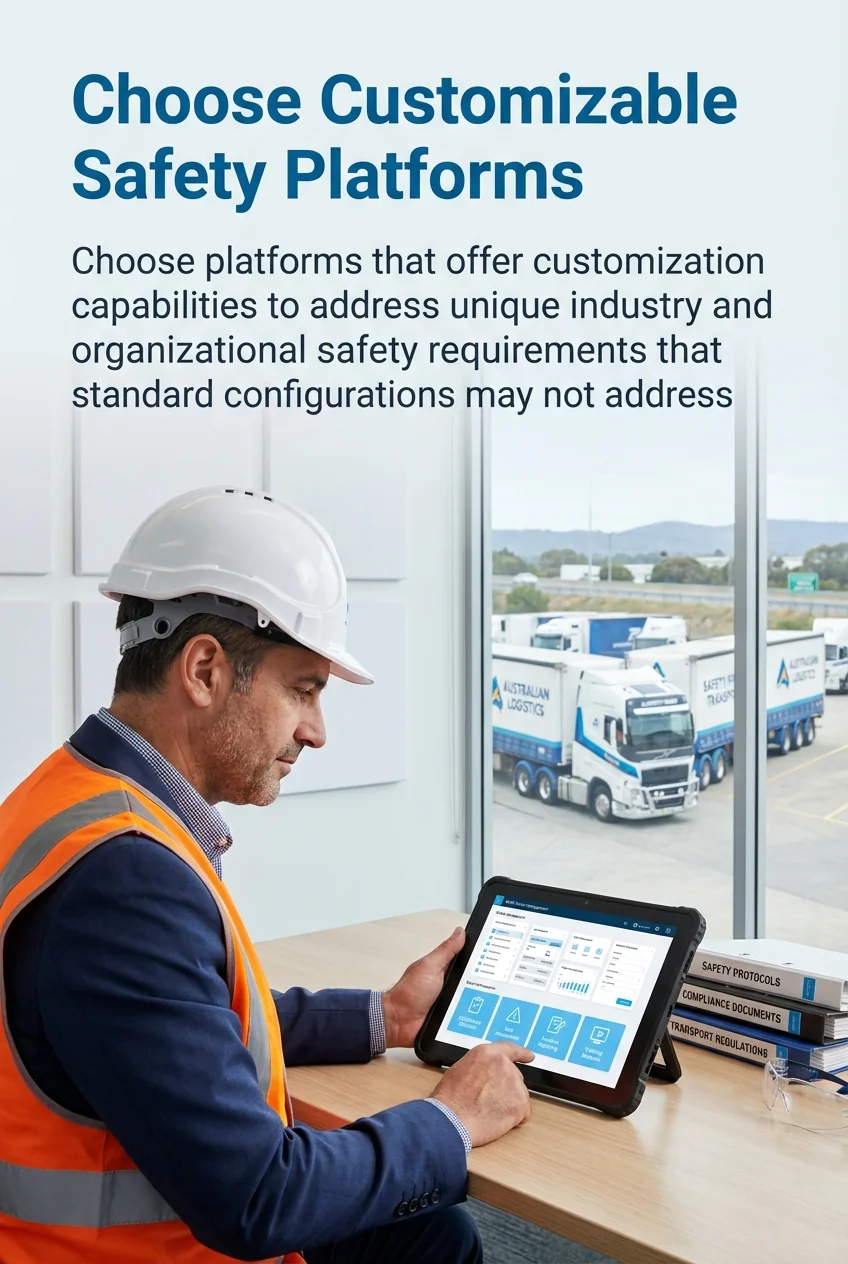
Choose platforms that offer customization capabilities. Every industry and organization has unique safety requirements that standard configurations may not address.
Incident Management and Investigation Tools
Incident reporting forms the foundation of effective safety programs. Digital incident management tools replace paper forms with structured digital workflows that capture complete information.
Modern incident reporting systems enable workers to submit reports from mobile devices immediately after events occur. This immediacy improves data accuracy and ensures timely investigation.
Incident Reporting Capabilities
Effective incident reporting tools include several core features. They provide customizable forms that capture relevant details for different incident types.
Photo and video capture functionality documents incident scenes. Workers can attach images directly from mobile devices during initial reports.
Geolocation tagging automatically records where incidents occur. This spatial data helps identify high-risk areas and patterns across facilities.
Automated notification systems alert appropriate personnel immediately. Supervisors, safety managers, and executives receive notifications based on incident severity and type.
Investigation and Root Cause Analysis
Investigation tools guide teams through structured analysis processes. They provide frameworks for identifying contributing factors and root causes.
Document management features organize investigation files, witness statements, and supporting evidence in centralized locations. Teams can collaborate on investigations regardless of physical location.
Corrective action tracking ensures identified improvements are implemented. Systems assign responsibilities, set deadlines, and monitor completion status.
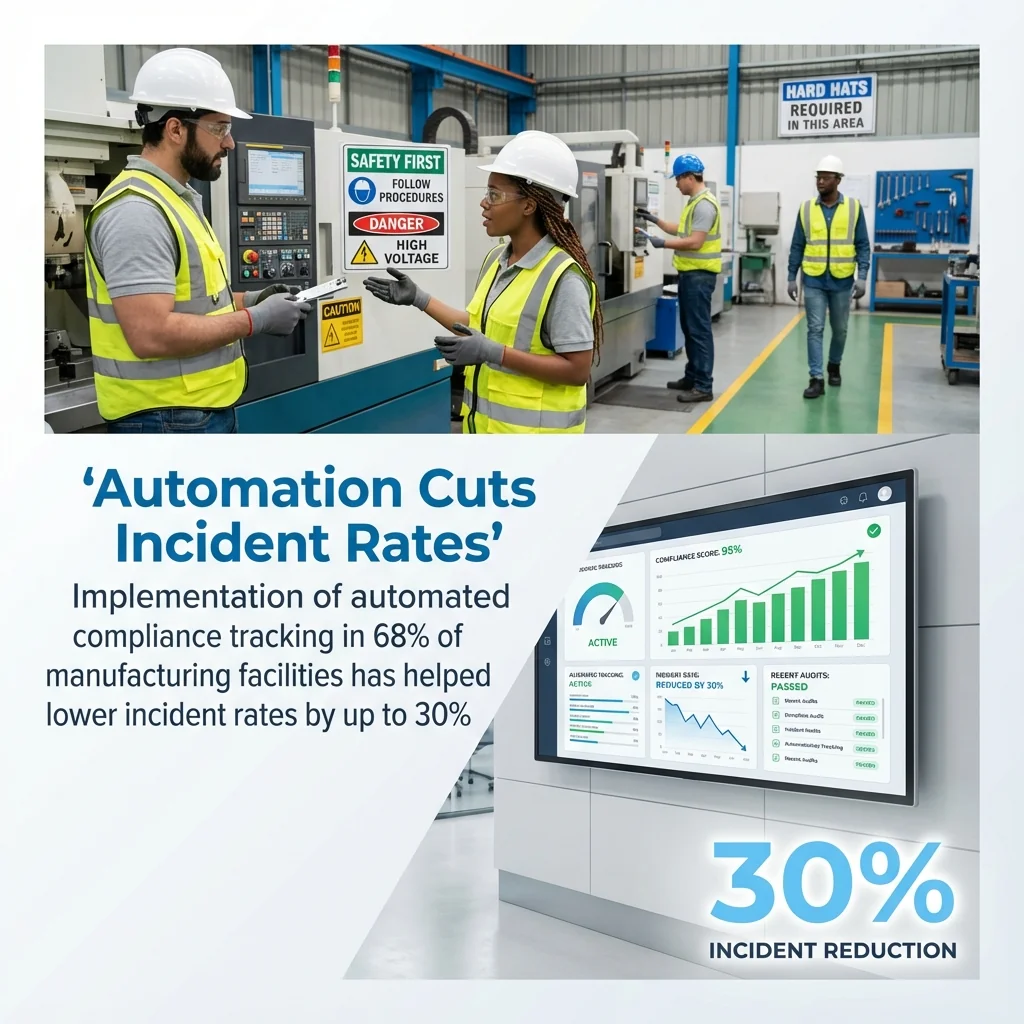
The implementation of automated compliance tracking in 68% of manufacturing facilities has helped lower incident rates by up to 30%, demonstrating the tangible safety improvements these tools enable.
Advanced platforms incorporate predictive analytics that identify incident trends. These insights help organizations address systemic issues before serious events occur.
Safety Audit and Inspection Management
Regular audits and inspections form the backbone of proactive safety management. Digital audit tools transform these processes from checklist exercises into strategic improvement opportunities.
Audit management software provides structured frameworks for conducting safety assessments. Organizations can build custom audit templates or use industry-standard checklists.
Mobile audit capabilities enable inspectors to conduct assessments from smartphones or tablets. Offline functionality ensures audits continue even without internet connectivity.
Audit Planning and Scheduling
Effective systems include scheduling functionality that plans audit activities across multiple locations. Automated reminders ensure audits occur at required frequencies.
Resource allocation features assign qualified auditors to specific assessments. Organizations can track auditor credentials and ensure appropriate expertise for each audit type.
Calendar integration connects audit schedules with operational calendars. This coordination minimizes disruption to production activities.
Inspection Execution and Documentation
Digital checklists guide inspectors through comprehensive assessments. Conditional logic presents relevant questions based on previous responses.
Photo annotation capabilities allow inspectors to mark up images highlighting specific issues. This visual documentation supports clearer communication of findings.
Immediate issue creation links identified hazards directly to corrective action workflows. Critical findings can trigger automatic work orders.
Audit trail functionality maintains complete records of all assessments. These records support compliance demonstrations during regulatory inspections.
Compliance Management and Regulatory Tracking
Maintaining compliance with evolving regulations presents ongoing challenges. Compliance management tools help organizations track requirements and demonstrate adherence.
Modern compliance modules monitor regulatory obligations across multiple jurisdictions. They update automatically when requirements change, ensuring organizations stay current.
Requirement libraries organize applicable regulations by location, industry, and operation type. Users can quickly identify which requirements apply to specific facilities or activities.
Obligation Tracking and Assessment
Compliance tracking tools map regulatory requirements to specific organizational processes. This mapping clarifies who owns each compliance obligation.
Assessment features evaluate current compliance status against requirements. Gap analysis identifies areas needing attention before regulatory inspections.
Document repositories organize permits, certifications, and compliance records. Version control ensures teams always access current documents.
Regulatory Reporting and Documentation
Automated reporting functions generate required regulatory submissions. Systems compile data from multiple sources into standardized report formats.
OSHA recordkeeping modules maintain required logs and forms. They calculate recordable incident rates and generate annual summaries automatically.
Audit-ready reporting provides inspectors with organized documentation during regulatory visits. Systems can generate compliance evidence packages on demand.
Compliance calendars track submission deadlines for various reports. Automated reminders ensure organizations meet all regulatory timelines.
| Compliance Function | Key Capabilities | Operational Benefit |
|---|---|---|
| Regulatory Tracking | Automated requirement updates, multi-jurisdiction monitoring | Stay current with changing regulations |
| Obligation Management | Requirement mapping, responsibility assignment | Clear accountability for compliance tasks |
| Gap Analysis | Compliance assessment, deficiency identification | Proactive compliance improvement |
| Documentation Control | Centralized repositories, version management | Organized compliance evidence |
| Regulatory Reporting | Automated data compilation, standardized formats | Efficient submission processes |
Hazard Identification and Risk Assessment Tools
Proactive hazard identification prevents incidents before they occur. Digital hazard management tools provide structured approaches to recognizing and controlling workplace risks.
Hazard reporting functionality enables workers to flag potential risks as they encounter them. Simple mobile interfaces reduce barriers to reporting.
Risk assessment matrices help teams evaluate hazard severity and likelihood. Standardized scoring ensures consistent risk evaluation across organizations.
Hazard Recognition and Documentation
Photo-based hazard reporting captures visual evidence of unsafe conditions. Workers can snap photos and submit reports within seconds.
Categorization systems organize hazards by type, location, and severity. This structure enables targeted analysis and response.
Near-miss reporting captures close calls that could have resulted in injuries. These reports provide valuable learning opportunities.
Safety observation programs document positive behaviors and at-risk actions. Regular observations build safety awareness and engagement.
Risk Assessment and Control
Job safety analysis tools break down tasks into steps and identify associated hazards. Teams develop controls for each identified risk.
Risk ranking capabilities prioritize hazards requiring immediate attention. Resources focus on the most significant risks first.
Control hierarchy frameworks guide teams toward most effective mitigation strategies. Systems prompt consideration of elimination and engineering controls before administrative measures.
Residual risk tracking monitors effectiveness of implemented controls. Organizations can reassess risks after control implementation.
Safety Training and Learning Management
Competent workers form the foundation of safe operations. Learning management systems integrated with safety platforms ensure personnel receive required training.
Training management modules track employee certifications and credentials. Automated alerts notify supervisors when renewals approach.
Course libraries organize safety training content by topic and regulatory requirement. Organizations can deploy both custom content and off-the-shelf courses.
Training Delivery and Documentation
Online learning platforms deliver safety training to distributed workforces. Workers complete courses on their own schedules while maintaining compliance.
Mobile learning capabilities enable training delivery on smartphones and tablets. This flexibility increases completion rates.
Assessment tools verify comprehension before certification. Quiz functionality ensures workers understand critical safety concepts.
Attendance tracking documents in-person training sessions. Electronic signatures replace paper sign-in sheets.
Competency Management
Skills matrices map required competencies to specific roles. Supervisors can quickly verify worker qualifications for assigned tasks.
Certification tracking maintains records of licenses, permits, and specialized training. Integration with credential-issuing authorities automates verification.
Training gap analysis identifies personnel needing specific courses. Automated enrollment streamlines training assignment.
Succession planning features identify backup personnel with required safety qualifications. This capability supports business continuity.
| Training Component | System Capabilities | Compliance Impact |
|---|---|---|
| Course Management | Content library, version control, assignment automation | Consistent training delivery |
| Certification Tracking | Credential monitoring, renewal alerts, verification | Maintained worker qualifications |
| Assessment Tools | Quiz creation, scoring, competency verification | Validated comprehension |
| Reporting | Training completion, compliance status, gap analysis | Demonstrated training adequacy |
Mobile and Offline Safety Management Capabilities
Field operations often occur in areas with limited connectivity. Mobile safety tools with offline functionality ensure safety processes continue regardless of network availability.
Native mobile applications provide optimized experiences on smartphones and tablets. Touch-friendly interfaces support use with gloved hands in industrial environments.
Offline data capture stores information locally when connectivity is unavailable. Data synchronizes automatically when devices reconnect to networks.
Field-Optimized Safety Functions
Mobile incident reporting enables immediate documentation at incident locations. Workers submit reports without returning to offices.
Digital inspection checklists guide field assessments. Inspectors can complete audits while walking facilities.
Hazard reporting from mobile devices captures conditions as workers encounter them. Real-time submission enables faster response.
Safety meeting documentation uses mobile forms to record toolbox talks. Attendance tracking and topic documentation occur digitally.
Real-Time Communication and Alerts
Push notifications deliver critical safety alerts to field personnel. Weather warnings, evacuation notices, and hazard alerts reach workers instantly.
Two-way communication features enable field workers to confirm receipt of alerts. This confirmation provides accountability during emergencies.
Location-based alerting targets messages to workers in specific areas. Relevant personnel receive notifications without overwhelming others.
Emergency response coordination uses mobile tools to manage incident response. Real-time updates keep response teams informed during evolving situations.
Analytics, Dashboards, and Safety Performance Reporting
Data-driven safety management requires robust analytics capabilities. Modern safety platforms transform raw data into actionable insights through dashboards and reporting tools.
Executive dashboards provide high-level safety performance visibility. Leaders can monitor key metrics without navigating detailed records.
Customizable reports enable analysis from multiple perspectives. Users can filter and segment data by location, department, incident type, and time period.
Leading and Lagging Indicators
Lagging indicators measure outcomes like incident rates and lost-time injuries. These metrics reflect past performance.
Leading indicators track proactive safety activities. Audit completion rates, hazard identification numbers, and training completion percentages predict future performance.
Balanced scorecards combine multiple metrics into unified views. Organizations can monitor both outcomes and activities driving those outcomes.
Trend analysis identifies improving or deteriorating performance over time. Statistical process control charts highlight significant changes.
Predictive Analytics and Insights
Advanced analytics identify patterns suggesting increased risk. Machine learning algorithms detect correlations humans might miss.
Heat maps visualize incident concentrations by location or time. These visualizations reveal where to focus prevention efforts.
Benchmarking capabilities compare performance against industry standards. Organizations can assess their safety performance relative to peers.
Automated insights highlight emerging trends requiring attention. Systems can flag unusual patterns for investigation.
Corrective and Preventative Action Management
Identifying issues accomplishes nothing without effective corrective action. CAPA management tools ensure organizations address identified deficiencies.
Action item tracking assigns responsibilities for specific improvements. Clear ownership ensures accountability.
Deadline management monitors progress toward completion. Automated escalation alerts supervisors when items risk becoming overdue.
Action Planning and Implementation
Root cause linkage connects actions to specific incidents or findings. This connection ensures actions address underlying problems.
Resource allocation features identify personnel and materials needed for implementation. Planning tools help organizations schedule improvement work.
Progress tracking documents implementation milestones. Stakeholders can monitor action status without constant status meetings.
Verification requirements ensure actions achieve intended results. Follow-up audits confirm effectiveness of implemented controls.
Closure and Effectiveness Review
Approval workflows route completed actions for review. Supervisors verify implementation before closure.
Effectiveness metrics measure whether actions reduced targeted risks. Organizations can assess return on safety improvement investments.
Knowledge capture documents lessons learned during implementation. This information supports future improvement efforts.
Recurring issue identification flags problems appearing repeatedly. Persistent issues may require more fundamental interventions.
Document Management and Control
Safety programs generate extensive documentation. Effective document management ensures personnel access current, approved information.
Centralized repositories organize safety documents in logical structures. Users can quickly locate needed policies, procedures, and work instructions.
Version control maintains document history while preventing use of obsolete information. Systems clearly identify current versions.
Document Lifecycle Management
Creation workflows guide document development through standardized processes. Templates ensure consistent formatting and required content.
Review and approval routing sends documents to appropriate reviewers. Digital signatures replace paper approval processes.
Distribution management controls who can access specific documents. Permission settings align with organizational roles.
Revision management tracks changes over time. Audit trails show what changed, when, and by whom.
Access and Retrieval
Search functionality helps users find relevant documents quickly. Full-text search looks beyond file names.
Document linking connects related materials. Users can navigate from procedures to supporting forms and checklists.
Mobile access provides field personnel with needed documents. Workers can reference procedures at job sites.
Offline availability caches critical documents locally. Essential procedures remain accessible without connectivity.
Integration and System Connectivity
Safety management systems don’t operate in isolation. Integration with other business systems creates seamless data flow and reduces duplicate entry.
HR system integration synchronizes employee data. Personnel changes automatically update safety system records.
Maintenance management connections link safety issues to work order systems. Identified hazards can trigger maintenance requests automatically.
Data Exchange and APIs
Application programming interfaces enable custom integrations. Organizations can connect safety platforms to specialized systems.
Automated data feeds eliminate manual data transfer. Information flows between systems without user intervention.
Bi-directional synchronization keeps connected systems aligned. Changes in either system update the other automatically.
Standard data formats support connections with multiple platforms. Systems using common protocols integrate more easily.
Enterprise System Alignment
ERP integration connects safety data to broader business processes. Safety information influences operational decisions.
Business intelligence platform connections include safety metrics in executive dashboards. Safety performance appears alongside financial and operational KPIs.
Contractor management system links ensure vendor safety compliance. Organizations can verify contractor safety qualifications during procurement.
Supply chain integration extends safety visibility to logistics partners. This connection becomes particularly relevant for organizations managing transport safety compliance.
Customization and Configuration Options
No two organizations have identical safety requirements. Configurable platforms adapt to specific needs without requiring custom software development.
Form builders enable creation of custom data collection tools. Organizations can design forms matching their specific processes.
Workflow configurators define how information routes through organizations. Custom approval chains and notification rules align with organizational structures.
System Adaptation
Field customization allows organizations to add specific data elements. Custom fields capture information relevant to particular industries or operations.
Report builders create tailored analytics. Users can design reports addressing their specific questions.
Dashboard customization presents relevant metrics to different user groups. Executives see strategic indicators while supervisors monitor operational details.
Terminology customization adapts system language to organizational preferences. Terms can match existing safety program vocabulary.
Scalability and Growth Support
Multi-site capabilities support geographically distributed operations. Organizations can manage safety across multiple locations from unified platforms.
User scaling accommodates organizational growth. Systems support adding locations and personnel without performance degradation.
Module expansion allows organizations to implement capabilities progressively. Companies can start with core functions and add modules as needs evolve.
Permission structures scale with organizational complexity. Role-based access control adapts to changing organizational structures.
Implementation and Vendor Support Considerations
Technology capabilities matter little without successful implementation. Vendor support quality significantly impacts whether organizations realize intended benefits.
Implementation planning defines deployment timelines and resource requirements. Structured approaches increase adoption success.
Data migration services transfer historical information from legacy systems. Organizations maintain continuity while upgrading technology.
Training and Adoption Support
User training programs prepare personnel to use new systems effectively. Hands-on practice builds confidence and competence.
Training materials including videos, guides, and quick references support ongoing learning. Personnel can refresh knowledge as needed.
Super-user development creates internal experts. These champions provide peer support and drive adoption.
Change management support addresses cultural aspects of technology adoption. Technical implementation alone doesn’t ensure organizational acceptance.
Ongoing Support and Maintenance
Technical support services help organizations resolve issues quickly. Responsive support minimizes system downtime.
Software updates deliver new capabilities and security patches. Regular updates keep systems current.
Customer success programs proactively identify optimization opportunities. Organizations can maximize their technology investments.
User communities connect customers with peers. Organizations can share best practices and learn from others’ experiences.
Building Your Safety Management Technology Strategy
Effective safety management systems combine multiple tools into cohesive frameworks. Technology enables the systematic approaches that transform safety from reactive compliance exercises into proactive risk management.
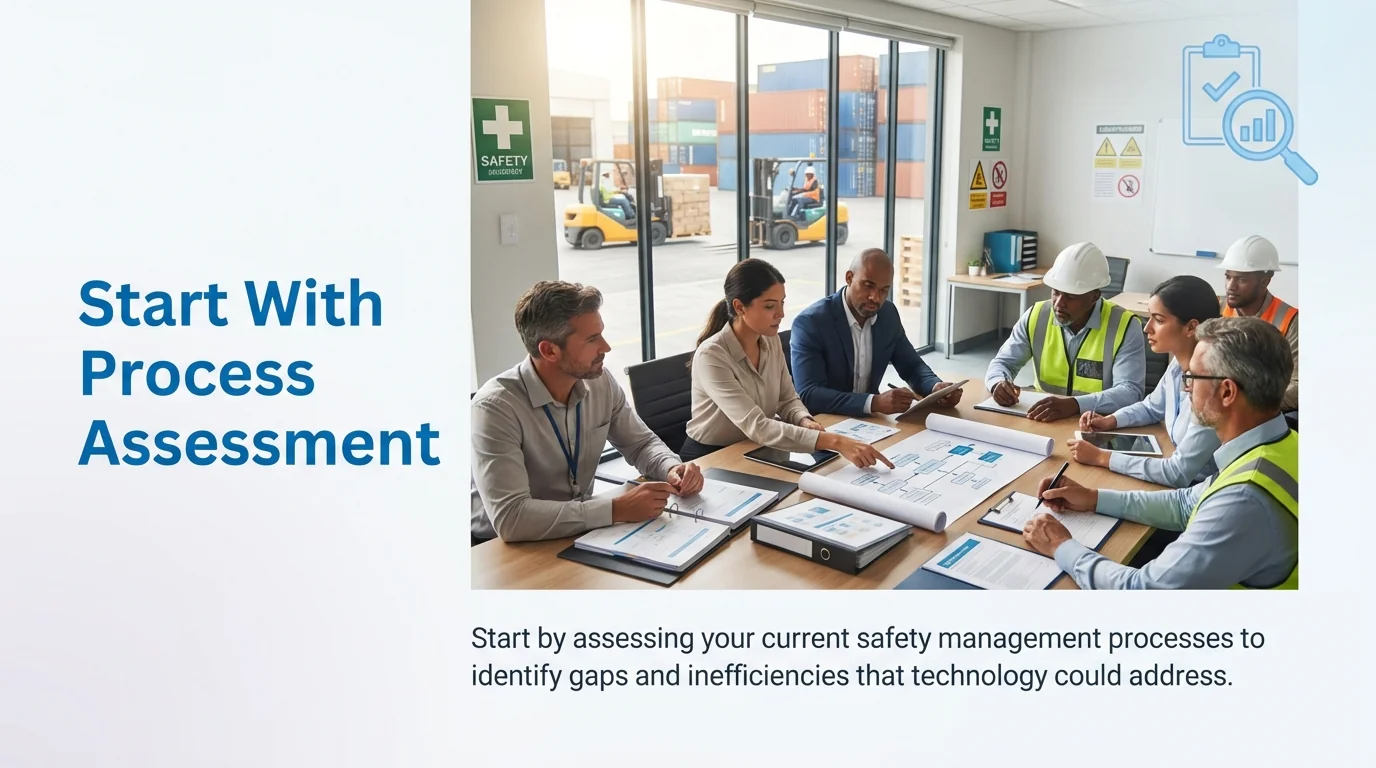
Start by assessing your current safety management processes. Identify gaps and inefficiencies that technology could address.
Prioritize capabilities based on your specific risks and regulatory requirements. Not every organization needs every feature immediately.
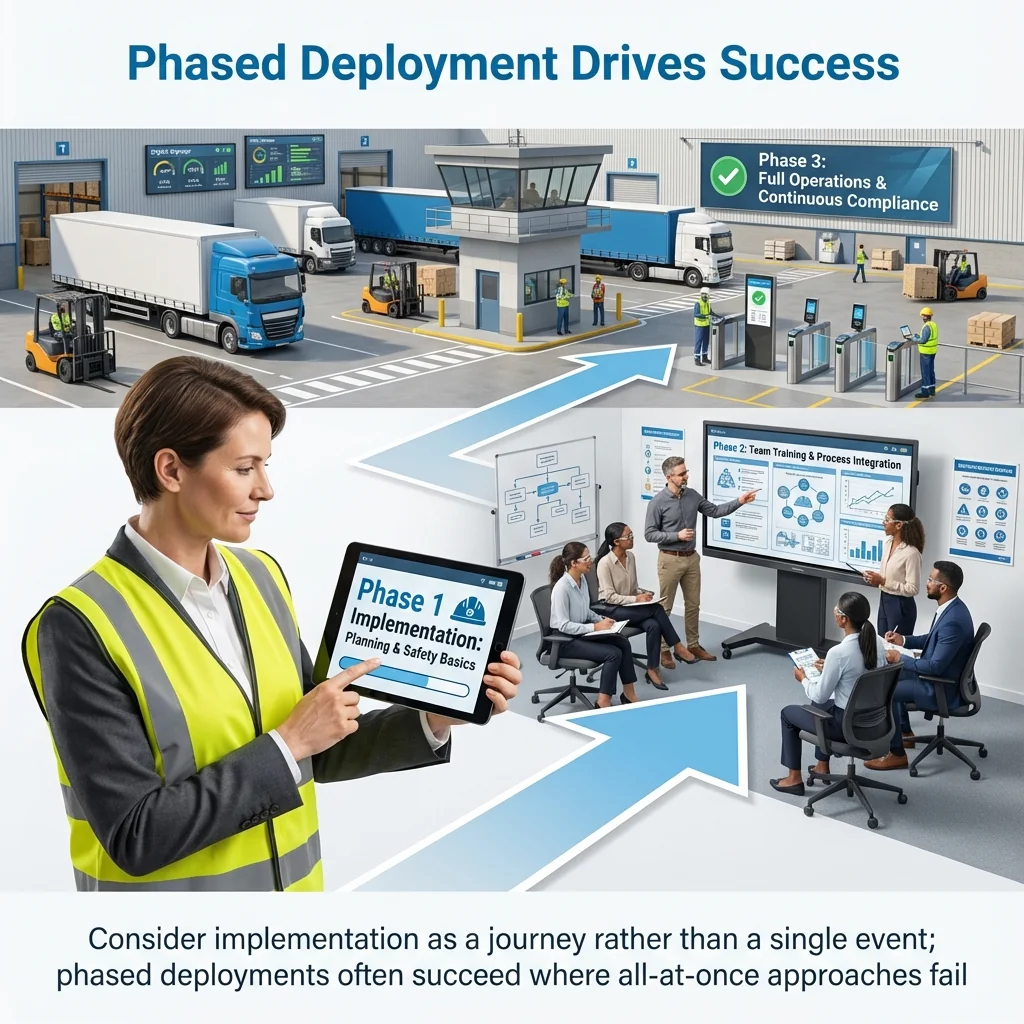
Consider implementation as a journey rather than a single event. Phased deployments often succeed where all-at-once approaches fail.
Evaluate vendors based on their understanding of your industry. Generic safety software may not address sector-specific requirements adequately.
Remember that technology serves your safety program rather than defining it. Tools should align with your safety strategy, not dictate it.
The right safety management system tools provide the infrastructure for systematic risk management. They transform good intentions into consistent practices and compliance obligations into operational advantages. For organizations managing transport operations, specialized tools that address Chain of Responsibility safety system requirements become particularly important components of broader safety management frameworks.
Successful safety management combines proper tools with competent people and effective processes. Technology amplifies human expertise rather than replacing it. Organizations that integrate appropriate tools into well-designed safety programs position themselves to prevent incidents, maintain compliance, and build sustainable safety cultures.