
Chain of Responsibility (CoR) compliance under the Heavy Vehicle National Law (HVNL) requires every party in the supply chain to understand their obligations and take practical steps to ensure safety. The National Heavy Vehicle Regulator (NHVR) provides guidance explaining which parties are in the chain and what duties they may have, covering everyone from consignors and loaders to schedulers and operators. The framework isn’t just about ticking compliance boxes.
It’s about building safety into daily operations across your entire heavy vehicle transport activities.
CoR compliance extends well beyond driver responsibilities. Vehicle safety and roadworthiness obligations require that heavy vehicles used in operations are properly maintained and meet applicable safety and design requirements. Every party who can influence transport safety carries responsibility for ensuring heavy vehicles comply with legal requirements for dimension, mass and speed.

This comprehensive approach to shared responsibility creates safer roads for everyone.
Understanding the Chain of Responsibility Legal Framework
The Heavy Vehicle National Law establishes CoR as the foundation for transport safety regulation across Australia. This legislation recognizes that multiple parties influence how heavy vehicles operate on our roads.
The framework captures all parties who can affect transport safety outcomes. It moves beyond the traditional focus on drivers alone to include everyone who makes decisions about scheduling, loading, maintenance, and operations.
Under the HVNL, each party in the supply chain has a primary duty to ensure the safety of their transport activities. This duty requires taking steps that are reasonably practicable to eliminate or minimize risks.
The law applies to heavy vehicles exceeding 4.5 tonnes gross vehicle mass. This covers most commercial transport operations throughout the Australian supply chain.
The Primary Duty Concept
Your primary duty under CoR means you must ensure safety so far as is reasonably practicable. This standard considers what actions you can take given available knowledge, time, and resources.
Reasonably practicable measures include eliminating risks where possible. When elimination isn’t feasible, you must minimize risks through appropriate control measures.
The duty is proactive rather than reactive. You can’t wait until incidents occur before addressing safety risks in your operations.
Who Bears Responsibility
CoR obligations extend to multiple parties throughout the transport chain. Each party’s specific duties depend on their role and influence over transport activities.
Operators manage heavy vehicle fleets and bear responsibility for vehicle maintenance and driver management. Schedulers control delivery timeframes and routes, which directly affects fatigue and speed compliance.
Consignors and receivers influence loading practices and timing. Loaders physically handle freight and must ensure proper load restraint and weight distribution.
General contractors coordinate transport activities and must manage the safety performance of their supply chain partners.
Key Parties in the CoR Chain
Each party in the CoR framework has distinct responsibilities based on their control over transport activities. Understanding your role helps you implement targeted compliance measures.
Consignors and Their Obligations
Consignors send goods and bear responsibility for proper packaging and labeling. They must provide accurate information about cargo weight and dimensions.
Your scheduling requests must allow drivers adequate time to complete journeys safely. Unrealistic delivery windows can pressure drivers to speed or drive while fatigued.
You need documented processes showing how you communicate load requirements to carriers. This documentation demonstrates your commitment to safety throughout the transport chain.
Operators and Fleet Management
Operators control vehicle fleets and employ or engage drivers. Your primary responsibilities include maintaining vehicles in roadworthy condition and managing driver fatigue.
You must implement systems that monitor vehicle condition through regular inspections and maintenance schedules. Pre-start checks help identify defects before vehicles leave the depot.
Driver management includes monitoring work hours, ensuring adequate rest breaks, and providing fatigue management training. Electronic Work Diaries can help track driver hours accurately.
Schedulers and Time Management
Schedulers create delivery schedules and route plans that directly influence driver behavior. Your schedules must account for realistic travel times given road conditions and rest requirements.
Building buffer time into schedules prevents drivers from feeling pressure to speed or skip rest breaks. Consider traffic patterns, weather conditions, and loading times when planning routes.
Document your scheduling methodology to show how safety considerations inform your planning decisions. This evidence supports your compliance efforts during audits.
Loaders and Load Security
Loaders physically handle freight and must ensure proper load restraint and weight distribution. Your obligations include preventing overloading and securing loads according to the Load Restraint Guide.
You need training in proper loading techniques and load restraint methods. Regular competency assessments help maintain loading standards across your workforce.
Documentation of loading procedures and weight verification processes demonstrates your commitment to mass and load restraint compliance.
Critical Compliance Areas Under CoR
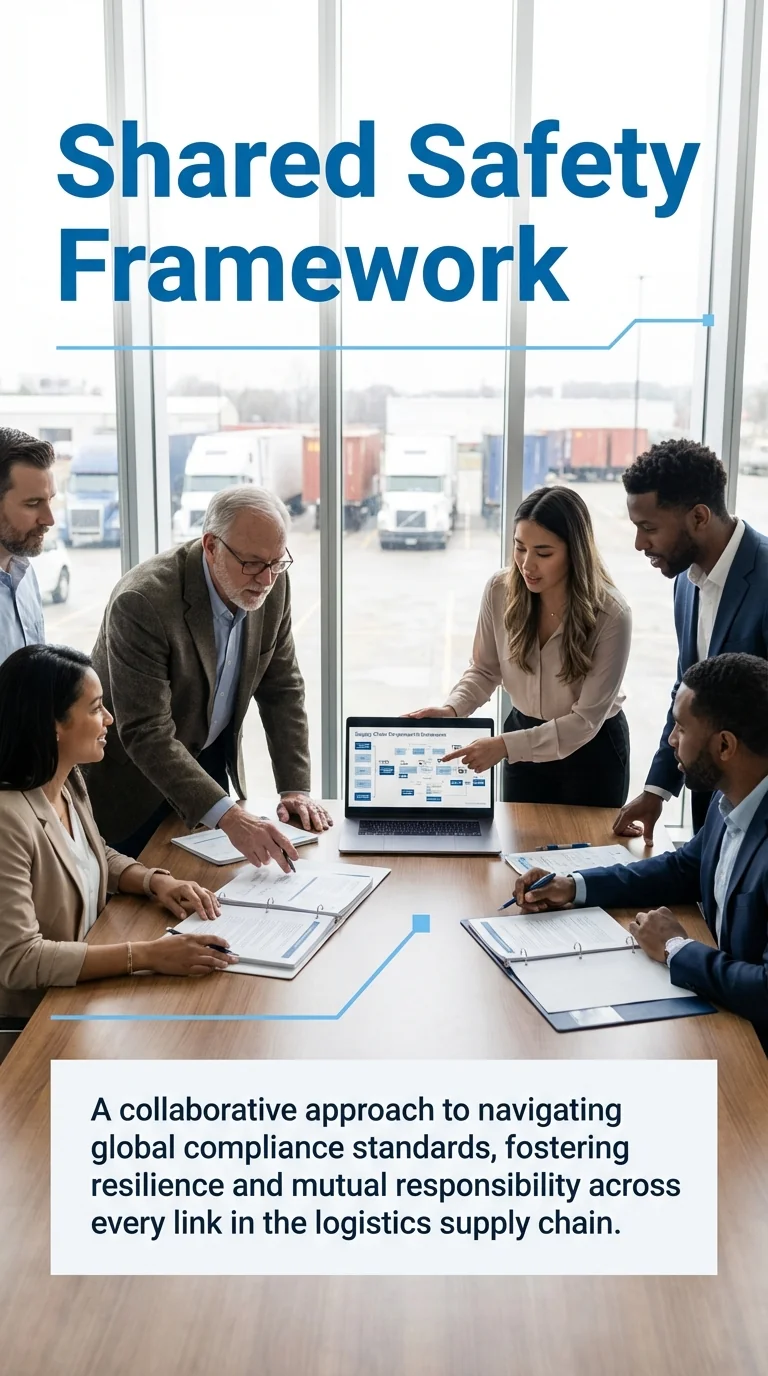
CoR represents a framework for shared responsibility and proactive risk management to improve safety outcomes across the supply chain. Several key areas require focused attention from every party in the chain.
Driver Fatigue Management
CoR covers driver fatigue and work hours, requiring that parties must not request or influence drivers to drive while fatigued or exceed fatigue-related work limits. Fatigue remains one of the most significant safety risks in heavy vehicle operations.
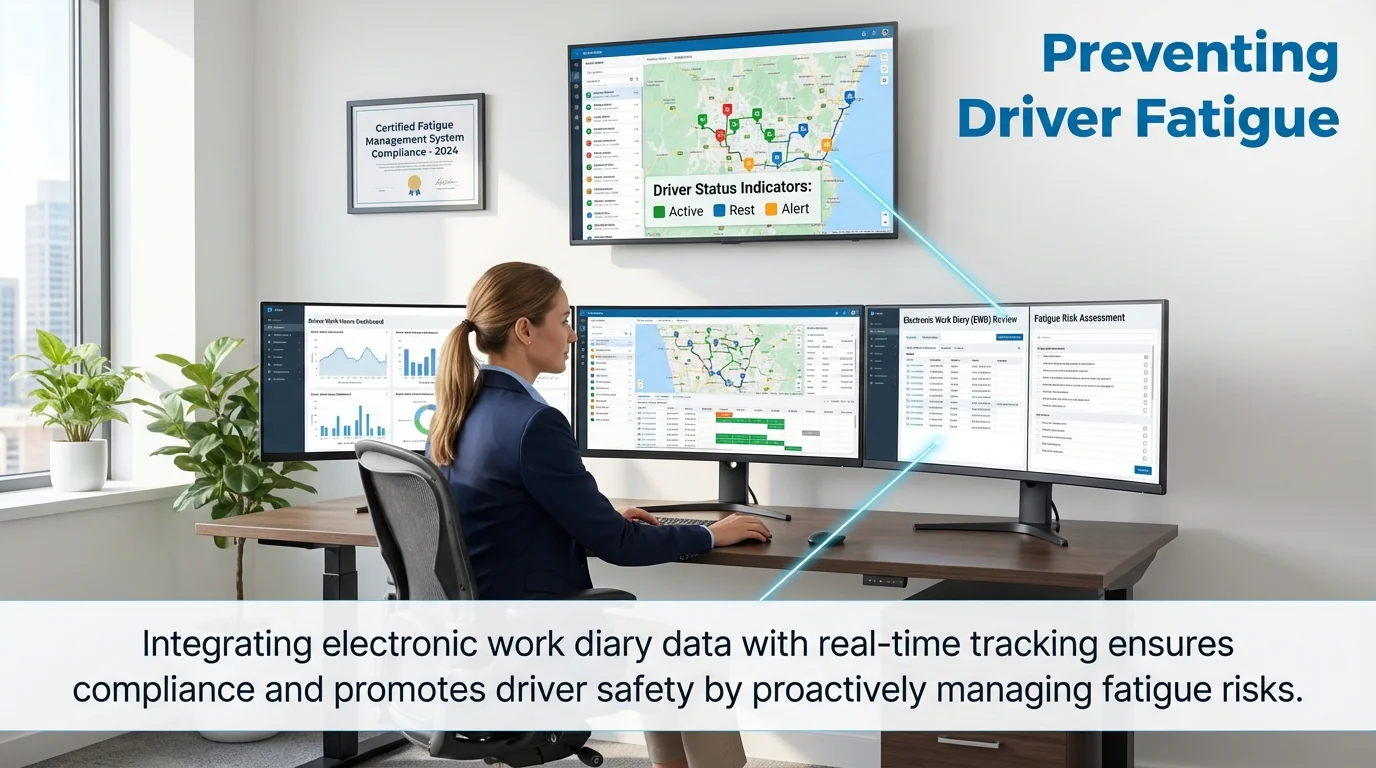
Your fatigue management approach must consider driver work and rest hours under the applicable fatigue management scheme. Standard Hours, Basic Fatigue Management, and Advanced Fatigue Management each have specific requirements.
Implement systems that monitor driver hours in real time. This allows you to intervene before drivers exceed their allowable driving hours.
Training for schedulers and dispatchers helps them understand how their decisions affect driver fatigue. They need to recognize signs of fatigue and respond appropriately.
Vehicle Maintenance and Roadworthiness
Maintaining vehicles in safe operating condition prevents mechanical failures that could cause incidents. Your maintenance program must address all safety-critical systems regularly.
Scheduled maintenance based on manufacturer recommendations forms the foundation of vehicle safety. You need documented maintenance records showing compliance with service intervals.
Pre-start inspection procedures help drivers identify defects before operating vehicles. Clear reporting processes ensure defects receive prompt attention.
Maintenance facilities and qualified technicians are essential for proper vehicle servicing. Cutting corners on maintenance creates significant safety and compliance risks.
Mass, Dimension, and Loading Compliance
Overloading damages roads and vehicles while creating serious safety hazards. Every party must take steps to ensure vehicles operate within legal mass limits.
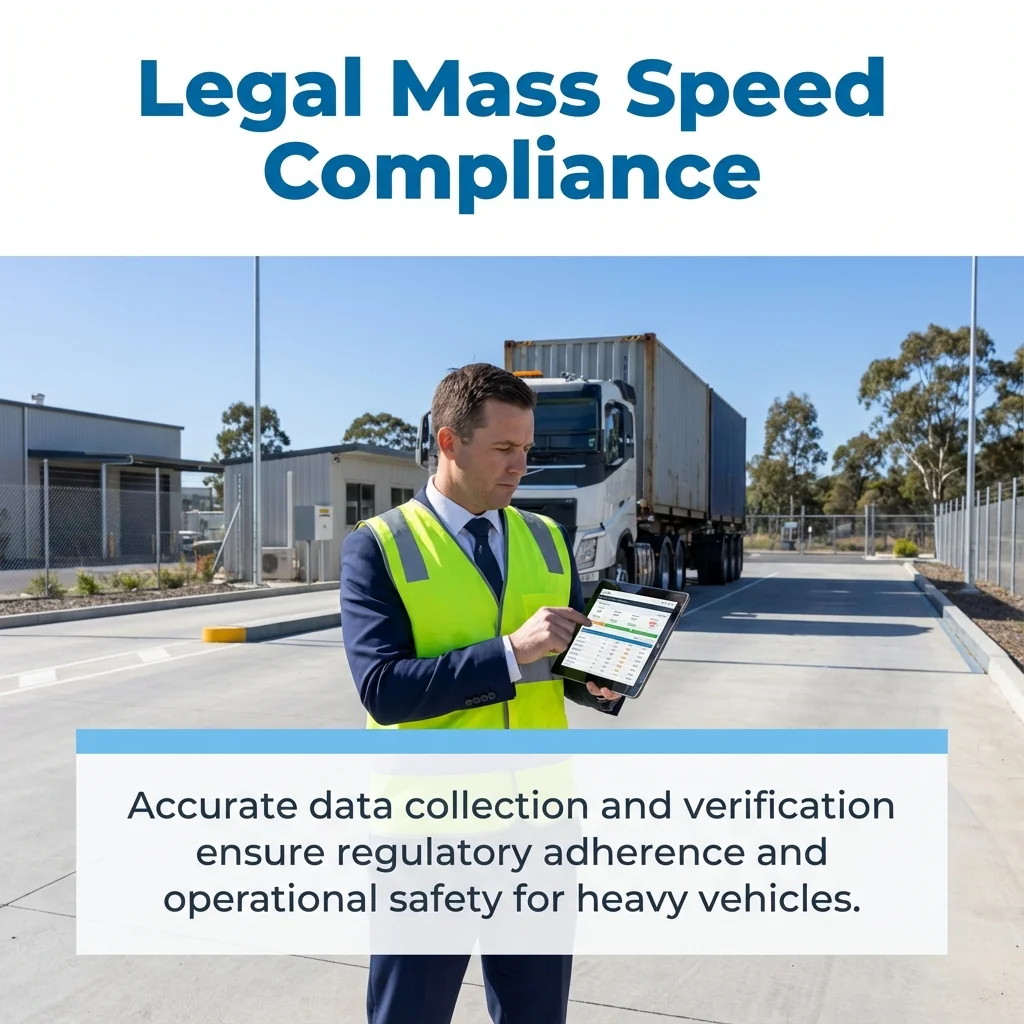
Weighing procedures verify actual vehicle mass before heavy vehicles enter public roads. Portable weighing equipment or weighbridge access helps confirm compliance.
Load distribution affects vehicle handling and braking performance. Proper weight distribution across axle groups maintains vehicle stability and prevents excessive axle loads.
Dimension compliance ensures vehicles don’t exceed height, width, or length limits. Some loads require special permits when they exceed standard dimension limits.
Speed Management
Speed management extends beyond driver behavior to include scheduler and consignor responsibilities. Schedules must allow drivers to complete journeys at legal speeds.
Route planning should consider speed zones along planned routes. This helps create realistic time estimates that don’t pressure drivers to speed.
Technology solutions like GPS tracking and speed monitoring provide objective data about vehicle speeds. This data helps identify potential speed compliance issues early.
Developing Safety Management Systems
A Safety Management System (SMS) provides the framework for managing CoR compliance across your operations. This systematic approach helps you identify risks and implement appropriate controls.
Risk Assessment Processes
Start by identifying all activities in your operations that involve heavy vehicle transport. Consider every point where your business influences transport safety outcomes.
Assess the level of risk associated with each activity. High-risk activities require more robust controls than lower-risk operations.
Document your risk assessment methodology and findings. This record demonstrates your proactive approach to safety management.
Review and update risk assessments regularly as your operations change. New equipment, routes, or processes may introduce different risks.
Control Measures and Procedures
Implement control measures that address identified risks effectively. Controls should eliminate risks where possible or minimize them to acceptable levels.
Written procedures provide clear guidance for employees and contractors. Procedures should cover all critical safety activities in your operations.
Make procedures accessible to everyone who needs them. Digital systems can help distribute procedures and track acknowledgments.
Training and Competency
Everyone involved in your transport operations needs appropriate training for their role. Training should cover both general CoR principles and specific job responsibilities.
Initial training introduces new employees to your safety systems and expectations. Regular refresher training reinforces key concepts and updates people on changes.
Competency assessments verify that people can apply their training in practice. Assessment results help identify areas where additional training may be needed.
Training records document your commitment to building capability throughout your organization. These records support your compliance demonstration during audits.
Documentation and Record-Keeping Requirements
Proper documentation provides evidence of your compliance efforts and helps you track safety performance over time. Records serve multiple purposes in CoR compliance.
Essential Records to Maintain
Vehicle maintenance records show your commitment to roadworthiness. Keep service records, inspection reports, and defect rectification documentation.
Driver records include licenses, medical certificates, training completion, and fatigue management documentation. These records verify driver qualifications and work hours.
Loading documentation covers weights, load restraint methods, and distribution plans. This evidence demonstrates mass and loading compliance.
Communication records show how you convey safety requirements to contractors and supply chain partners. Emails, contracts, and meeting notes provide valuable evidence.
Retention Periods
The HVNL requires specific retention periods for different record types. Most CoR-related records must be kept for at least five years.
Some records may need longer retention to support ongoing business operations or legal requirements. Consult legal advisors about appropriate retention periods for your circumstances.
Implement systems that make retrieving historical records straightforward. You need to produce records promptly during compliance audits or investigations.
Digital Systems and Technology
Digital record-keeping systems offer advantages over paper-based approaches. They provide better organization, searchability, and backup capabilities.
Fleet management software can centralize maintenance records, inspection reports, and compliance documentation. This integration improves accessibility and reduces administrative burden.
Electronic Work Diary systems track driver hours automatically and generate required records. These systems reduce manual recording errors and improve compliance monitoring.
Cloud-based systems enable access to records from multiple locations. This flexibility supports compliance management across distributed operations.
Managing Contractors and Supply Chain Partners
Your CoR obligations extend to transport activities performed by contractors on your behalf. You can’t transfer your primary duty by outsourcing transport functions.
Contractor Selection and Qualification
Establish qualification criteria for selecting transport contractors. Consider their safety record, compliance systems, and resources to meet safety requirements.
Request evidence of contractor safety management systems before engagement. This verification helps you assess their capability to operate safely.
Insurance and accreditation provide additional indicators of contractor professionalism. National Heavy Vehicle Accreditation Scheme (NHVAS) participation demonstrates commitment to safety.
Contractual Requirements
Include specific safety and compliance obligations in your transport contracts. Clear contractual terms establish expectations for all parties.
Specify requirements for maintenance standards, driver qualifications, and fatigue management. These provisions strengthen your position if performance issues arise.
Build in rights to audit contractor compliance with safety requirements. Regular audits help you verify ongoing compliance performance.
Ongoing Performance Monitoring
Monitor contractor safety performance through regular reviews of incidents, complaints, and compliance data. This oversight helps identify concerns early.
Performance meetings provide opportunities to discuss safety issues and improvement initiatives. Regular communication maintains focus on safety priorities.
Address performance issues promptly through formal processes. Document concerns and required improvements clearly.
CoR Compliance Technology Solutions
Technology tools support CoR compliance by automating monitoring, improving data collection, and providing real-time visibility. Strategic technology adoption enhances your compliance capability.
Telematics and GPS Tracking
Telematics systems monitor vehicle location, speed, and driving behavior. This data helps identify compliance risks before they lead to incidents.
GPS tracking verifies actual routes and travel times against planned schedules. Discrepancies may indicate scheduling problems that need addressing.
Driver behavior monitoring identifies harsh braking, rapid acceleration, and other indicators of risky driving. Coaching based on objective data improves driver performance.
Compliance Management Platforms
Specialized compliance platforms like CoRGuard centralize vendor compliance management and documentation. These systems streamline compliance tracking across your supply chain.
Automated reminders help ensure timely completion of maintenance, inspections, and training. This reduces the risk of overlooked compliance activities.
Reporting dashboards provide visibility into compliance performance across your operations. Real-time insights support proactive management.
Electronic Work Diaries
Electronic Work Diaries (EWD) automatically record driver work and rest hours. They eliminate manual recording errors and improve accuracy of fatigue management data.
EWD systems can alert schedulers when drivers are approaching maximum work hours. This early warning enables schedule adjustments before drivers exceed limits.
Integration with fleet management systems provides complete operational visibility. This connectivity supports better decision-making across transport operations.
Consequences of Non-Compliance
CoR breaches carry serious penalties reflecting the safety risks created by non-compliance. Understanding potential consequences reinforces the importance of compliance efforts.
Financial Penalties
Individual penalties for CoR breaches can reach hundreds of thousands of dollars. Corporate penalties are significantly higher, reflecting business capacity to pay.
Penalties apply per breach, so multiple violations can result in substantial total fines. Repeat offenders face increased penalties.
The courts consider factors like breach severity, safety consequences, and cooperation with investigators when determining penalties. Demonstrated compliance efforts may mitigate penalties.
Prosecution and Legal Action
Serious CoR breaches may lead to prosecution through the court system. This legal process creates additional costs beyond financial penalties.
Court findings of guilt can damage business reputation and affect customer relationships. Public awareness of safety failures impacts brand perception.
Directors and senior managers can face personal liability for CoR breaches. This accountability extends beyond corporate responsibility.
Business Impacts
Compliance failures disrupt operations and create uncertainty in your supply chain. Customers may seek alternative suppliers with stronger safety records.
Insurance costs typically increase following safety incidents or compliance breaches. Poor safety performance affects insurability.
Government contracts often require demonstrated safety performance. CoR breaches may disqualify businesses from tender opportunities.
Building a Compliance Culture
Sustainable CoR compliance requires more than systems and procedures. You need an organizational culture where safety guides decision-making at all levels.
Leadership Commitment
Senior leadership must visibly champion safety priorities. Their actions demonstrate whether safety receives genuine priority or just lip service.
Allocate adequate resources to safety systems and compliance activities. Budget decisions reveal organizational priorities.
Hold managers accountable for safety performance in their areas of responsibility. Include safety metrics in performance evaluations.
Employee Engagement
Involve employees in identifying safety risks and developing solutions. Frontline workers often have valuable insights into practical improvements.
Create safe channels for reporting safety concerns without fear of retaliation. Psychological safety enables early identification of risks.
Recognize and reward positive safety behaviors and contributions. Celebration reinforces desired behaviors across the organization.
Continuous Improvement
Treat compliance as an ongoing journey rather than a destination. Regular reviews identify opportunities to strengthen safety performance.
Learn from incidents and near misses through thorough investigation. Root cause analysis prevents recurrence of similar events.
Monitor regulatory developments and industry best practices. Adapt your systems to incorporate new knowledge and requirements.
Taking Action on CoR Compliance
CoR compliance protects your business, your people, and the broader community. The framework creates shared responsibility for transport safety across everyone who influences heavy vehicle operations.
Start by understanding your specific role and obligations within the CoR chain. Assess your current compliance position through gap analysis against HVNL requirements.
Develop systematic approaches to managing your safety obligations. Document your processes and maintain evidence of compliance efforts.
Invest in training and capability development for everyone involved in your transport operations. Build competence throughout your organization and supply chain partners.
Use technology strategically to strengthen compliance monitoring and improve visibility. Digital tools enhance your ability to manage safety risks proactively.
Remember that effective CoR compliance delivers benefits beyond avoiding penalties. Strong safety systems improve operational efficiency, reduce incident costs, and strengthen business relationships.
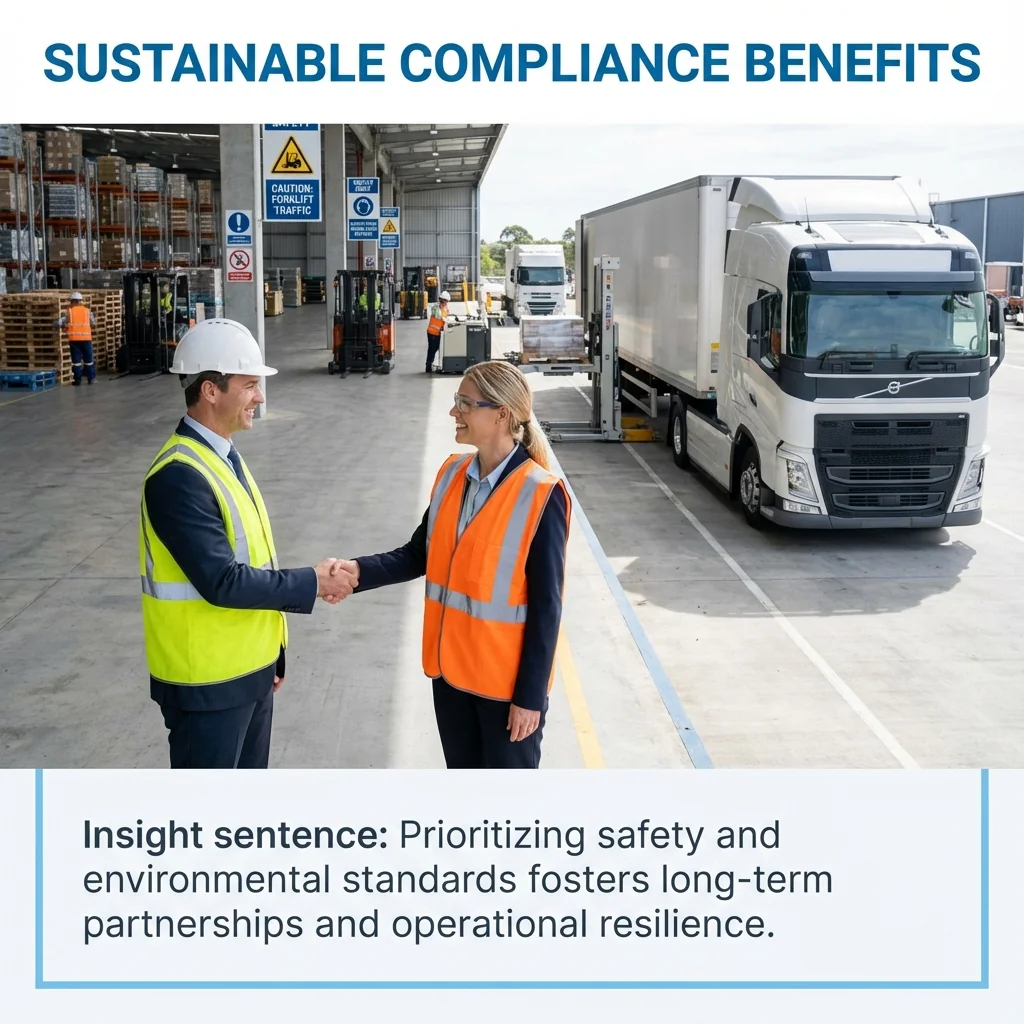
Need support developing CoR compliance systems tailored to your operations? Professional guidance helps you build sustainable compliance frameworks that protect your business while supporting safe transport operations.