
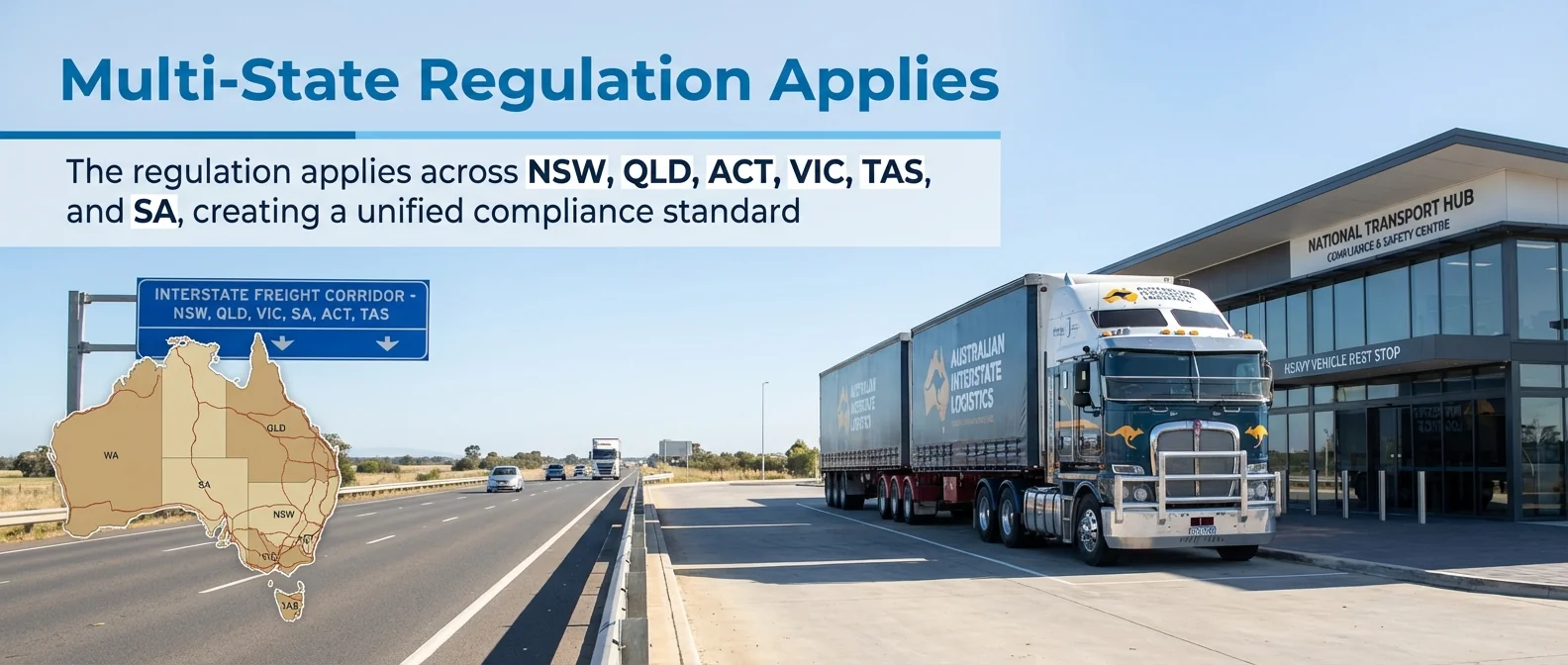
CoR compliance operates under Australia’s Heavy Vehicle National Law framework, which extends safety obligations beyond drivers to every party involved in heavy vehicle transport. This means schedulers, loaders, consignors, and executives all share legal responsibility for transport safety. The regulation applies across NSW, QLD, ACT, VIC, TAS, and SA, creating a unified compliance standard.
Most businesses approach this as paperwork. That misses the point entirely.
The real challenge sits in translating legal obligations into daily operations. You need practical systems that your team can actually use while under pressure. This guide breaks down exactly what CoR compliance requires, how each element connects to your operations, and what steps create genuine safety improvements rather than just compliance theatre.
What Chain of Responsibility Really Means
Chain of Responsibility shifts accountability across the entire supply chain. Traditional transport regulation focused exclusively on drivers and vehicle operators. CoR legislation applies to consignors, consignees, prime contractors, and schedulers, creating shared responsibility for safety outcomes.
This expansion matters because safety failures rarely originate with drivers alone. Unrealistic delivery schedules create fatigue risks. Poor loading practices cause vehicle instability. Inadequate maintenance budgets lead to roadworthiness issues.
The HVNL recognizes these connections.
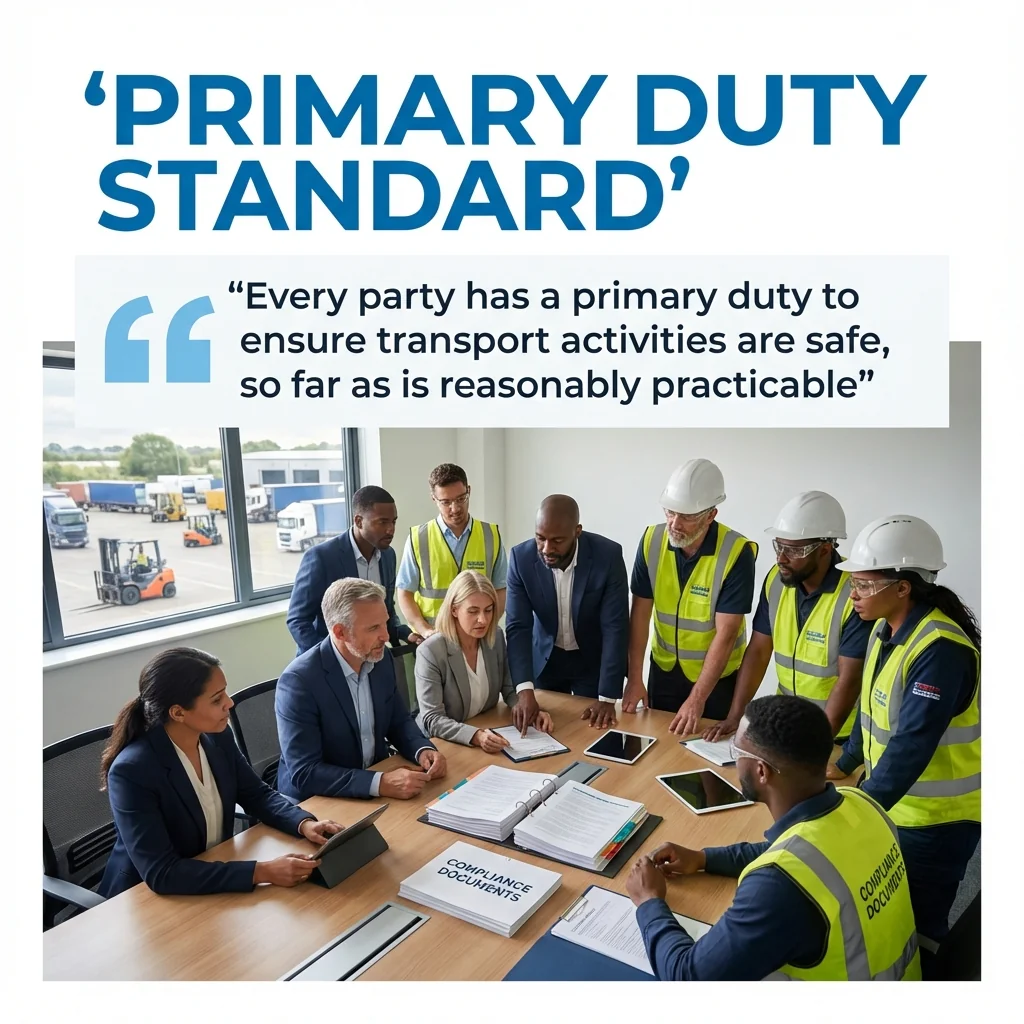
Every party has a primary duty to ensure transport activities are safe, so far as is reasonably practicable. That qualifier is critical. Reasonably practicable means balancing risk against the effort, time, and cost of controls. Small operators face different practical constraints than national corporations.
Understanding your specific obligations requires examining your role in transport activities. A scheduler who sets delivery timeframes carries different responsibilities than a loader securing freight. Both face legal obligations, but the practical requirements differ significantly.
Who Actually Falls Under CoR
The legislation captures anyone who influences transport safety decisions. This extends well beyond obvious transport roles.
Consignors who send goods carry obligations for load security and mass limits. Consignees receiving freight must provide safe unloading facilities and reasonable timeframes. Packers need proper training in load restraint principles. Loading managers require systems for weight verification.
Executive officers hold particular responsibility. Directors and senior managers must exercise due diligence. This means understanding CoR obligations, ensuring adequate systems exist, verifying implementation, and monitoring effectiveness.
Even parties outside your direct employment can create obligations. Third-party contractors, labour hire companies, and freight brokers all fall within the CoR framework when they influence transport safety.
Core Safety Obligations Under HVNL
The legislation establishes specific safety requirements across key risk areas. Each obligation targets a common source of heavy vehicle incidents.
Understanding HVNL requirements starts with recognizing that obligations apply across multiple parties simultaneously. A single delivery involves schedulers, drivers, loaders, and managers, each carrying distinct but overlapping duties.
Speed and Fatigue Requirements
Driver fatigue represents a leading cause of heavy vehicle incidents. The HVNL sets strict work and rest hour requirements, limiting driving time and mandating rest breaks.
Schedulers must create delivery timeframes that allow legal compliance. Setting schedules that force drivers to speed or exceed work hours creates direct CoR liability. This applies even when you never explicitly instruct drivers to breach regulations.
Electronic Work Diaries track compliance in real time. These systems record driving hours, rest breaks, and work patterns. They provide evidence of compliance during audits.
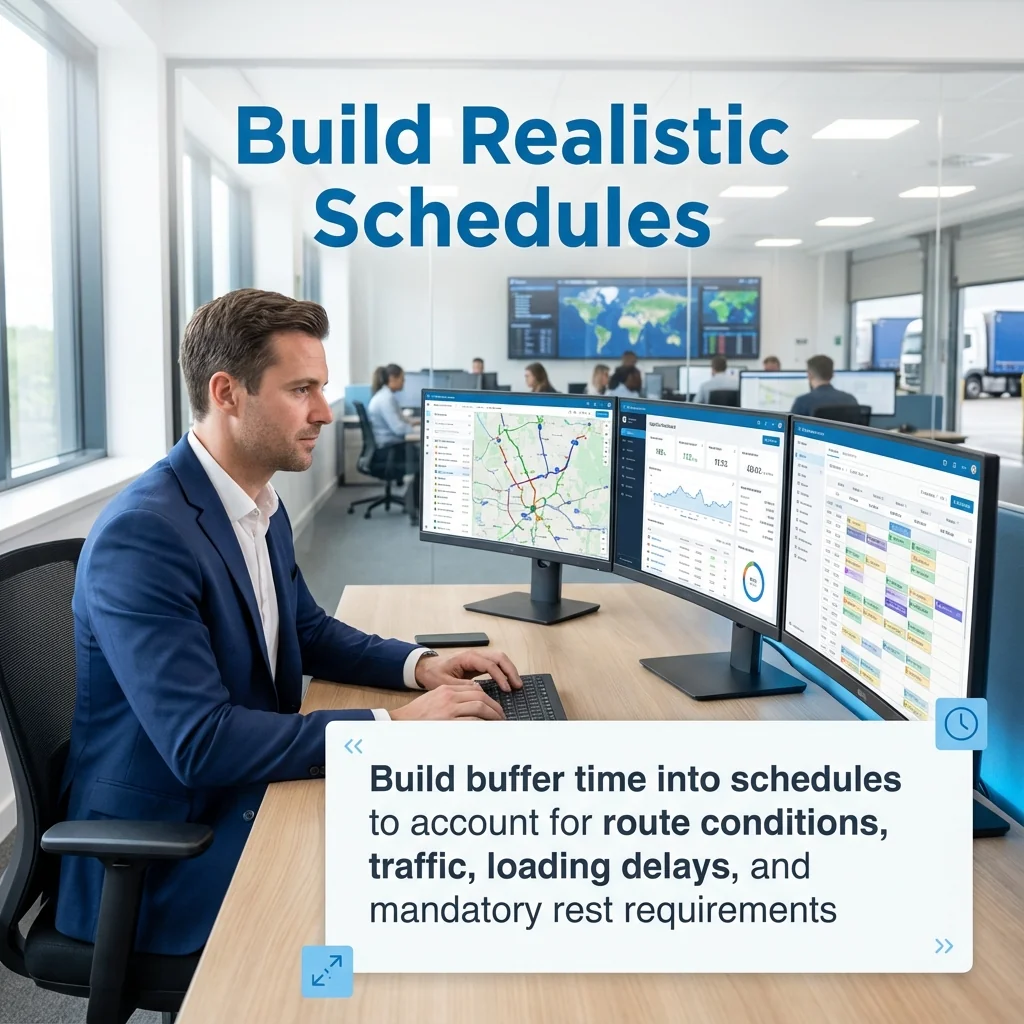
Your systems need to account for realistic travel times. This means understanding route conditions, traffic patterns, loading delays, and mandatory rest requirements. Building buffer time into schedules demonstrates due diligence.
Mass, Dimension and Loading Standards
Overloading creates severe safety risks through reduced braking capacity and vehicle instability. The HVNL sets strict mass limits for different vehicle configurations.
Consignors must provide accurate weights. Loaders need systems for weight verification before dispatch. This might involve weighbridges, on-board mass monitoring, or certified weight declarations from suppliers.
Load restraint requirements ensure freight remains secure during transport. Proper restraint prevents load shift, which causes vehicle rollover and loss of control. The Load Restraint Guide provides technical standards for different freight types.
Documentation proves compliance. Weight dockets, loading diagrams, and restraint specifications create an evidence trail. These records demonstrate your reasonable steps to ensure safe loading.
Vehicle Standards and Maintenance
Vehicle roadworthiness directly impacts safety outcomes. The HVNL requires vehicles to meet construction standards and remain properly maintained throughout their service life.
Daily vehicle inspections identify defects before they cause failures. Drivers must conduct pre-start checks using standardized inspection forms. These inspections cover critical safety items like brakes, steering, lights, and tyres.
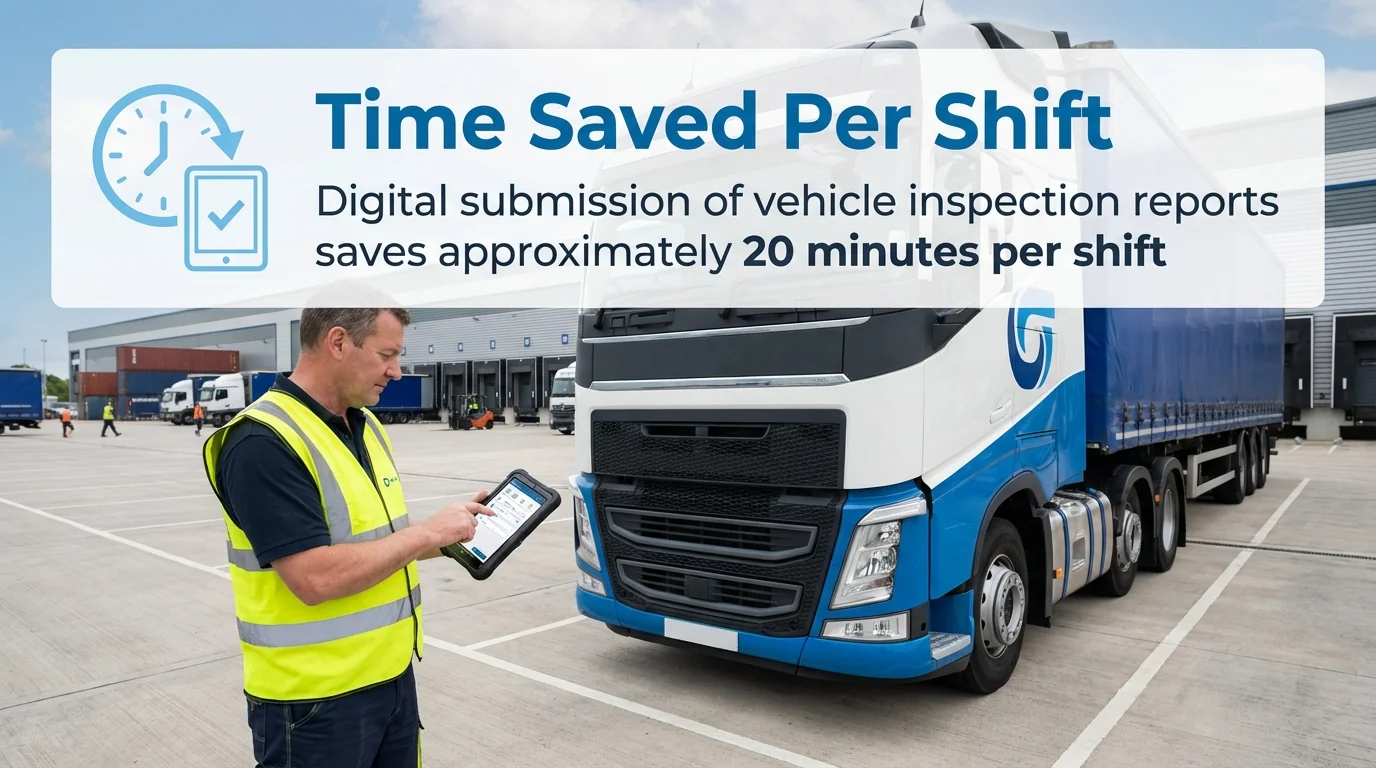
Digital submission of vehicle inspection reports saves approximately 20 minutes per shift, making compliance more efficient while creating permanent records.
Maintenance schedules must follow manufacturer specifications. Service records prove you maintained vehicles according to required intervals. Deferring maintenance to save costs creates clear liability when failures occur.
Defect reporting systems allow drivers to notify management immediately when issues arise. Vehicles with safety defects must be taken out of service until repairs are completed.
Building Practical Compliance Systems
Theory means nothing without implementation. Effective CoR compliance requires systems that function under operational pressure.
Start by mapping your actual transport activities. Identify every point where your business influences heavy vehicle operations. This includes procurement decisions, delivery scheduling, loading processes, and contractor management.
For each activity, document the specific controls you’ve implemented. What processes ensure schedulers create realistic timeframes? How do loaders verify weights? What systems track maintenance compliance?
Documentation That Actually Works
Compliance documentation serves two purposes. First, it guides your team through correct procedures. Second, it demonstrates due diligence during audits.
Policies should be clear and specific. Vague statements about “commitment to safety” provide no practical guidance. Instead, document exact procedures: who checks weights, how they verify them, what happens when limits are exceeded.
Work instructions need operational detail. A loading procedure should specify equipment requirements, restraint methods for different freight types, weight verification steps, and sign-off requirements.
Records prove implementation. Weight dockets, inspection reports, training records, and maintenance logs create evidence that your systems operate as documented. Missing documentation suggests systems exist on paper only.
Training Requirements Across Roles
Every person influencing transport safety needs appropriate training. This extends well beyond driver education.
Schedulers require training on work and rest hour requirements. They need to understand how delivery timeframes impact driver fatigue risks. Training should cover how to calculate realistic travel times accounting for traffic, loading delays, and mandatory breaks.
Loading staff need load restraint training. This covers basic physics of load movement, restraint equipment selection, proper securing techniques, and weight distribution principles. Practical assessment ensures they can apply knowledge correctly.
Executives require due diligence training. Directors and senior managers must understand their personal obligations, what compliance systems should achieve, and how to verify effective implementation.
Training records must document competency verification. Attendance alone doesn’t prove understanding. Assessment results, practical demonstrations, and refresher training schedules create more robust evidence.
Managing Contractor Compliance
Third-party contractors create significant compliance challenges. You can’t directly control their operations, yet you retain CoR obligations for transport activities they perform on your behalf.
Contractor management systems need to verify compliance before engagement and monitor performance throughout the relationship.
Pre-qualification processes should assess contractor safety systems. Request copies of their CoR policies, training records, maintenance schedules, and audit reports. Verify their insurance covers CoR liability.
Contracts must include specific safety requirements. Don’t rely on general clauses about regulatory compliance. Specify expectations for vehicle maintenance, driver training, fatigue management, and incident reporting.
Ongoing monitoring proves you haven’t simply delegated responsibility. Regular performance reviews should examine safety metrics, incident rates, and audit findings. Poor performance requires corrective action or contract termination.
Technology platforms like CoRGuard provide systematic contractor compliance tracking. These systems centralize documentation, track certification expiry, and flag compliance gaps requiring attention.
Executive Due Diligence Obligations
Executive officers carry personal liability under CoR legislation. Directors and senior managers must exercise due diligence to ensure their organization complies with HVNL requirements.
This obligation doesn’t require daily operational involvement. Instead, executives must demonstrate they took reasonable steps to ensure adequate systems exist and function effectively.
What Due Diligence Actually Requires
Due diligence breaks down into several specific responsibilities. Executives must acquire and maintain knowledge of CoR obligations. This requires regular education on HVNL requirements and industry developments.
They must ensure appropriate resources support compliance. This includes adequate staffing, suitable equipment, sufficient budgets, and necessary technology. Cost-cutting that compromises safety creates direct liability.
Executives need systems for receiving and considering safety information. This means regular reporting on incidents, audit findings, compliance metrics, and emerging risks. Board meetings should include safety as a standing agenda item.
They must verify compliance systems are implemented and effective. This requires more than accepting management assurances. Regular audits, spot checks, and performance reviews provide objective verification.
Creating an Evidence Trail
Documentation proves due diligence during investigations. Board minutes should record safety discussions, decisions on resource allocation, and responses to audit findings.
Training records demonstrate executives maintained current knowledge. This includes formal CoR training, industry seminars, and briefings on regulatory changes.
Audit reports and management responses show systematic compliance verification. Regular internal audits, third-party assessments, and corrective action tracking create robust evidence.
Incident investigation records prove appropriate response to safety failures. These should document root cause analysis, corrective actions implemented, and verification of effectiveness.
Preparing for CoR Audits
Audits verify your compliance systems function as documented. Preparation determines whether you demonstrate genuine compliance or expose significant gaps.
Implementation guidance becomes critical when facing external scrutiny. Auditors examine whether your documented systems reflect actual practices.
What Auditors Actually Check
Auditors start by reviewing documentation. They examine policies, procedures, work instructions, and records. This establishes what systems should exist according to your documentation.
Then they verify implementation through interviews and observation. Talking with drivers, loaders, schedulers, and managers reveals whether staff understand procedures and actually follow them.
Physical inspection of vehicles, loading areas, and records provides objective evidence. Auditors check maintenance logs against service dates, compare weight dockets to load limits, and review driver work diaries for fatigue compliance.
Gap analysis identifies disconnects between documented systems and actual practices. Finding procedures that staff don’t follow or records that don’t match reality creates compliance concerns.
Building Audit Readiness
Effective preparation means maintaining continuous compliance rather than scrambling before audits. Your systems should produce audit-ready documentation as a natural output of daily operations.
Conduct internal audits regularly. Monthly or quarterly reviews catch problems before external auditors arrive. Use the same checklist external auditors would apply.
Document everything systematically. Weight verification, maintenance completion, training delivery, and incident response all need proper records. Missing documentation suggests controls don’t exist.
Test your systems periodically. Spot checks on weight compliance, random driver interviews, and unannounced vehicle inspections verify actual practice matches documented procedures.
Corrective action processes prove you identify and fix problems. When audits or internal reviews find gaps, document what you changed and verify the changes worked.
Technology Solutions for CoR Management
Modern compliance demands exceed what manual systems can reliably deliver. Technology platforms provide systematic management of complex requirements across multiple parties and locations.
Fleet management systems track vehicle location, driver hours, and maintenance schedules in real time. GPS tracking verifies route compliance and identifies detention delays. Telematics monitors vehicle performance and flags potential maintenance issues.
Electronic Work Diaries automate fatigue management. These systems track driving hours, calculate remaining work time, and mandate rest breaks. Integration with scheduling systems prevents dispatch of drivers who lack sufficient hours.
Digital inspection platforms replace paper-based vehicle checks. Drivers complete inspections on mobile devices, automatically creating permanent records. Photos document defects and verify repair completion.
Compliance management platforms centralize documentation across all CoR elements. They track training currency, manage contractor qualifications, schedule audits, and monitor corrective actions. Automated alerts flag expiring certifications and overdue maintenance.
Data analytics identify patterns and predict risks. Analysis of weight variations, route delays, maintenance frequency, and driver performance reveals systemic issues requiring attention.
Understanding Enforcement and Penalties
The National Heavy Vehicle Regulator enforces CoR obligations through audits, investigations, and compliance actions. Understanding enforcement approaches helps you maintain appropriate systems.
Penalties for CoR breaches are substantial. Maximum fines reach $300,000 for individuals and $1.5 million for corporations. Serious breaches can result in criminal prosecution.
Courts consider multiple factors when determining penalties. Prior compliance history, cooperation during investigation, systemic nature of breaches, and actual harm caused all influence outcomes.
What Triggers Enforcement Action
Incidents generate immediate scrutiny. Serious crashes involving heavy vehicles typically trigger CoR investigations. Regulators examine whether systemic compliance failures contributed to the incident.
Targeted compliance programs focus on high-risk activities. The NHVR conducts campaigns targeting specific issues like fatigue management, mass compliance, or vehicle standards. These programs combine education with enforcement.
Complaints and intelligence initiate investigations. Reports from drivers, competitors, or the public about unsafe practices can trigger formal audits.
Random audits maintain general deterrence. Roadside inspections and facility audits occur without specific concerns, ensuring ongoing compliance pressure across the industry.
Responding to Investigations
Cooperation during investigations demonstrates good faith. Providing requested documentation promptly and facilitating site access shows willingness to address concerns.
Legal advice becomes essential when serious breaches are identified. CoR investigations can lead to prosecution, making early legal input critical.
Immediate corrective action shows commitment to improvement. Fixing identified problems before enforcement action is finalized can influence outcomes.
Documentation of your response creates evidence for any subsequent proceedings. Record what you found, what you changed, and how you verified effectiveness.
Quick Answers to Common CoR Questions
What is CoR compliant?
CoR compliance means adhering to Australia’s Heavy Vehicle National Law, which extends safety obligations to all parties in heavy vehicle transport, not just drivers. This requires implementing safety training, proper documentation, and risk controls across schedulers, loaders, and executives.
How far back do CoR obligations extend in the supply chain?
CoR obligations extend to any party whose actions or demands could reasonably affect transport safety. This includes consignors specifying delivery times, warehouse managers controlling loading, procurement officers selecting contractors, and executives making resource decisions. Physical distance from the vehicle doesn’t limit liability.
Do small businesses have different CoR requirements?
The same legal obligations apply regardless of business size. However, “reasonably practicable” acknowledges resource differences. Small operators demonstrate compliance through systems appropriate to their scale. A sole trader needs simpler documentation than a national corporation, but both must prove they took reasonable steps.