
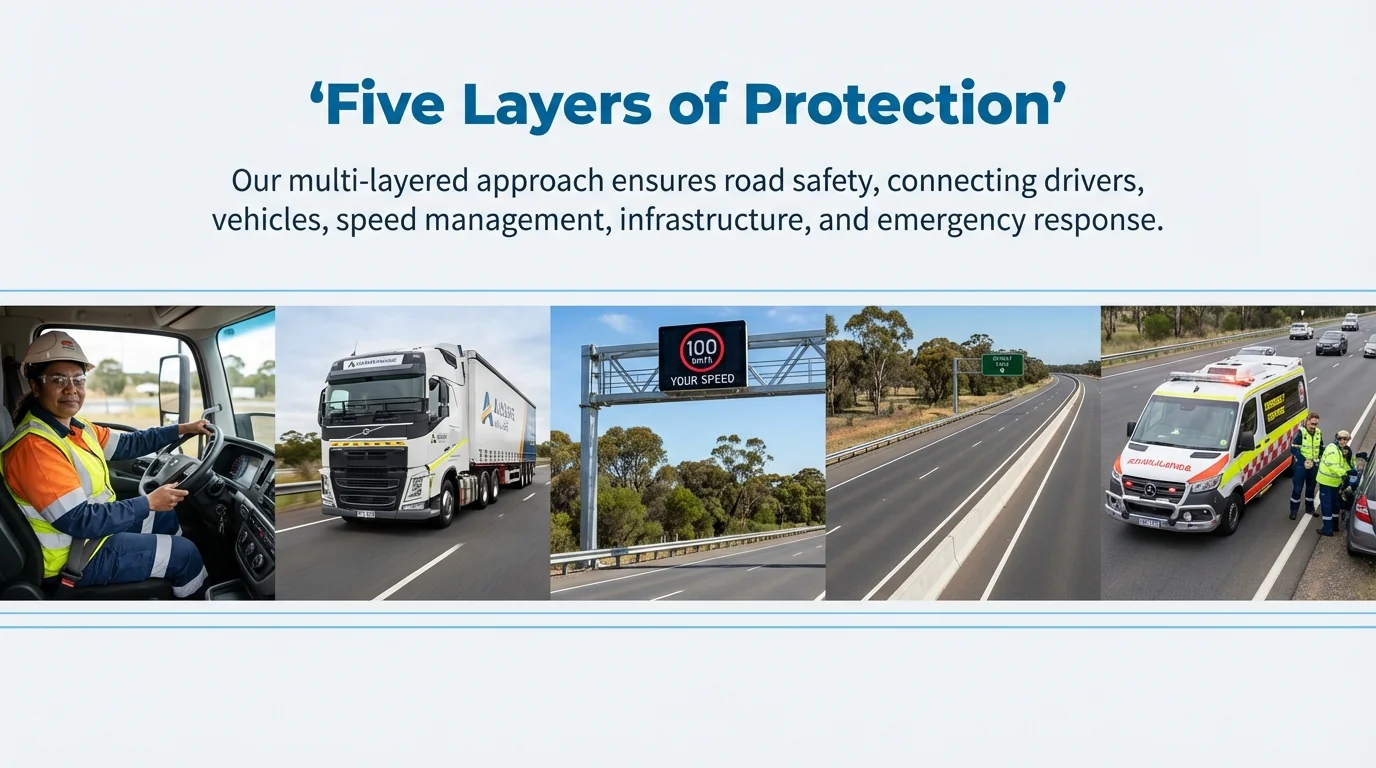
Transport safety protocols are systematic procedures designed to protect every person and asset moving through our roads, rail networks, airways, and waterways. These protocols combine regulatory requirements, operational standards, and risk management practices that address potential hazards across all transportation modes. The most effective approach recognizes that safe outcomes depend on multiple interconnected elements including safe road users, safe vehicles, safe speeds, safe roads, and post-crash care as layers of protection. Rather than relying solely on individual behavior, these protocols anticipate human error and manage crash forces through system design.
After 25 years working across supply chain environments, I’ve seen how effective safety protocols transform operations. They’re not just regulatory checkboxes. They’re frameworks that reduce injuries, protect assets, and strengthen business relationships.
This guide examines proven protocols across transportation modes. You’ll find detailed coverage of regulatory frameworks, operational requirements, and practical risk controls that businesses implement daily. Whether you manage commercial vehicles, coordinate freight, or oversee passenger transport, you’ll discover how systematic safety approaches protect people and operations.
Defining Transportation Safety Protocols and Their Core Purpose
Transportation safety protocols are structured procedures that identify hazards, control risks, and prevent incidents across different transport modes. These protocols establish clear responsibilities for everyone involved in moving people or goods.
The purpose extends beyond preventing incidents. Effective protocols create accountability throughout supply chains. They establish maintenance standards, define driver qualifications, and specify operational limits that reduce exposure to known hazards.
The Safe System Framework Foundation
Modern safety protocols build on the Safe System framework. This approach acknowledges that humans make mistakes. Instead of blaming individuals, it designs systems that protect people when errors occur.
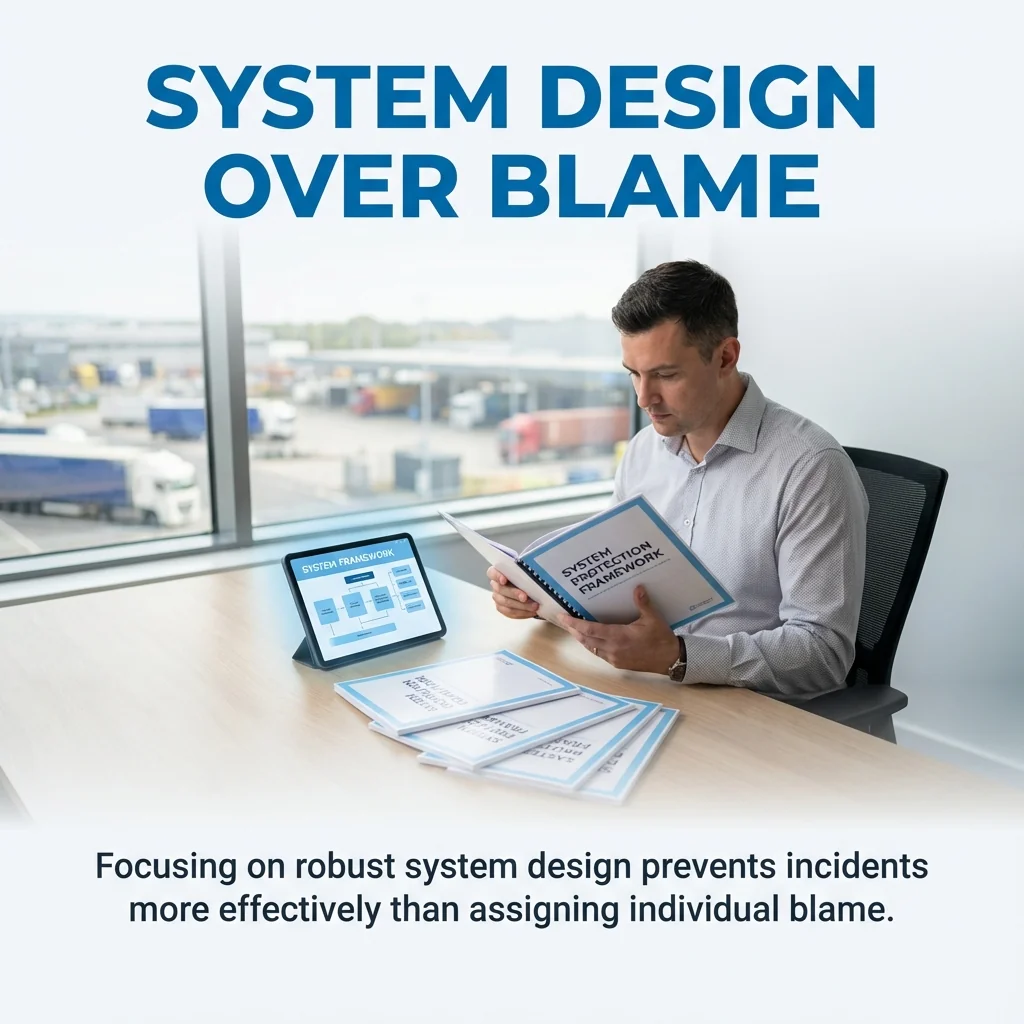
The framework includes five interconnected elements. Safe road users follow training and licensing requirements. Safe vehicles meet design and maintenance standards. Safe speeds match road conditions and vehicle capabilities. Safe roads incorporate protective infrastructure. Post-crash care ensures rapid emergency response.
Each element reinforces the others. When one layer fails, others provide backup protection. This redundancy explains why organizations using Safe System approaches see fewer serious incidents.
Regulatory Compliance as Protocol Foundation
Safety regulations provide the baseline for protocol development. Regulatory frameworks like those established through Federal Transit Administration requirements mandate safety management systems for transit providers. These requirements ensure organizations implement documented safety procedures.
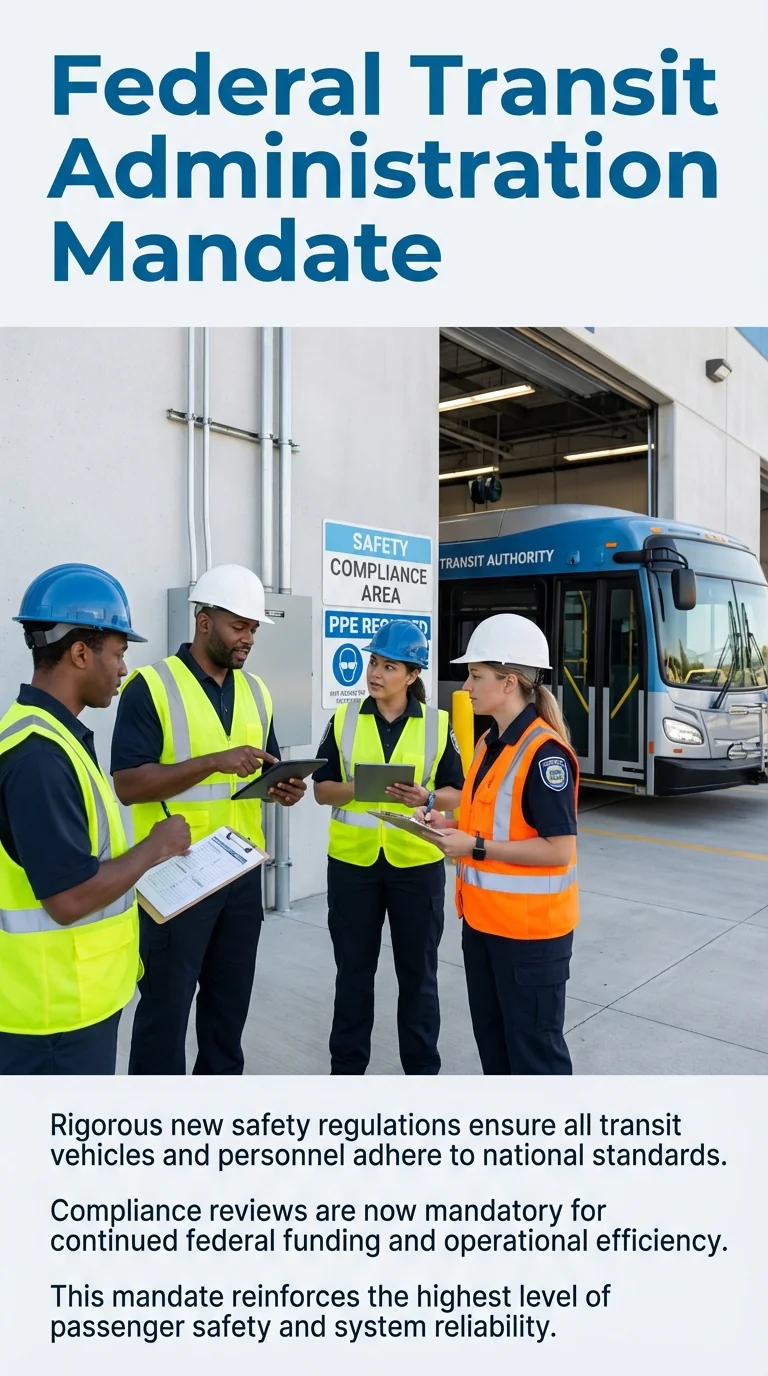
Compliance involves more than following rules. It requires understanding the hazards regulations address and implementing controls that work in your specific operational context. Regulations set minimum standards. Effective organizations build protocols that exceed these minimums based on their unique risk profiles.
Documentation forms a critical component. Written procedures create consistency. Training records demonstrate competency. Inspection logs prove ongoing verification. These records protect organizations during audits and investigations.
Road Transportation Safety Protocols and Requirements
Road transport creates unique challenges due to variable conditions, multiple vehicle types, and constant human interaction. Safety protocols for road operations address vehicle standards, driver qualifications, operational limits, and incident response.
Commercial road transport operators face stricter requirements than private motorists. These elevated standards reflect the increased risks that larger vehicles and professional operations present to other road users.
Commercial Vehicle Safety Standards
Commercial motor vehicles must meet specific design, equipment, and maintenance requirements. Vehicle standards cover braking systems, lighting, load securement, and safety devices that reduce crash severity.
Regular inspection protocols verify ongoing compliance. Pre-trip checks identify defects before vehicles enter service. Periodic inspections ensure maintenance standards are maintained. Defect reporting systems remove unsafe vehicles from operation until repairs are completed.
Load management protocols prevent overloading and ensure proper weight distribution. These requirements protect road infrastructure and improve vehicle stability. Overloaded vehicles experience longer stopping distances and increased rollover risk.
Driver Safety Requirements and Management
Driver qualification protocols establish minimum standards for commercial operators. Licensing requirements verify skills and knowledge. Medical certification ensures physical fitness for operating commercial vehicles. Driver history checks identify patterns that indicate increased risk.
Ongoing driver management includes fatigue monitoring, performance evaluation, and regular training. Fatigue management protocols limit driving hours and mandate rest breaks. These requirements recognize that tired drivers make more errors and react more slowly to hazards.
Distracted and impaired driving prevention programs address behavioral risks. Protocols prohibit mobile device use while driving. Drug and alcohol testing programs deter impaired operation. These measures reduce incidents caused by preventable distractions.
| Safety Protocol Area | Key Requirements | Risk Addressed |
|---|---|---|
| Vehicle Maintenance | Pre-trip inspections, periodic servicing, defect reporting | Mechanical failure, brake defects, tire blowouts |
| Fatigue Management | Work hour limits, rest break requirements, journey planning | Drowsy driving, delayed reactions, impaired judgment |
| Load Security | Weight limits, restraint standards, distribution requirements | Load shift, overloading, instability |
| Driver Qualification | Licensing, medical certification, training verification | Incompetence, health incidents, skill gaps |
Speed Management and Traffic Safety
Speed management protocols reduce crash frequency and severity. Speed limits consider road design, visibility, and surrounding land use. Lower speeds provide drivers more time to react and reduce impact forces when incidents occur.
Variable speed zones adjust limits based on conditions. School zones implement reduced speeds during student arrival and departure times. Construction zones slow traffic through work areas. Weather-responsive speed management reduces limits during adverse conditions.
Enforcement mechanisms support speed compliance. Technology solutions include speed limiters on commercial vehicles. GPS tracking systems monitor speed behavior. These tools help fleet managers identify and address unsafe driving patterns.
Understanding common transport safety challenges helps organizations develop targeted speed management strategies that address their specific operational risks.
Commercial Vehicle Safety Requirements and Chain of Responsibility
Commercial vehicle operations involve multiple parties beyond the driver. Safety protocols must address responsibilities across the entire supply chain. This approach ensures everyone influencing safety outcomes maintains appropriate controls.
Chain of Responsibility frameworks recognize that schedulers, loaders, consignors, and business owners all impact safety. Their decisions affect whether drivers can comply with safety requirements.
Operational Control and Responsibility
Each party in the transport chain has specific duties. Consignors must provide accurate load information. Loaders ensure proper load securement. Schedulers allow adequate time for safe journey completion. Business owners maintain vehicles and verify driver qualifications.
Safety management systems document these responsibilities. Written procedures specify who does what and when. Clear accountability prevents gaps where hazards go uncontrolled.
Contractual arrangements should support safety requirements. Agreements that create impossible timeframes or inadequate compensation encourage unsafe shortcuts. Effective contracts align commercial terms with safety obligations.
Safety Management System Implementation
Systematic safety management provides structure for meeting obligations. Systems include policy statements, risk assessments, operational procedures, training programs, and monitoring processes.
Risk assessment identifies hazards specific to your operations. Common hazards include vehicle interactions, loading activities, and environmental conditions. Assessment determines controls needed for each identified risk.
Procedures translate risk controls into operational reality. Written procedures ensure consistent practices across different shifts, locations, and personnel. Regular review keeps procedures current as operations change.
Organizations seeking heavy vehicle operators and accreditation for safety compliance must demonstrate robust safety management systems that meet regulatory standards.
Monitoring and Continuous Improvement
Safety protocols require ongoing verification. Monitoring activities confirm procedures are followed correctly. Audit programs identify gaps between documented procedures and actual practices.
Incident investigation provides learning opportunities. Thorough investigations determine root causes rather than blaming individuals. Corrective actions address systemic issues that allowed incidents to occur.
Performance metrics track safety outcomes. Leading indicators measure proactive activities like inspections completed and training delivered. Lagging indicators track incidents, near misses, and regulatory breaches. Both types inform improvement priorities.
| Chain Party | Safety Responsibilities | Common Controls |
|---|---|---|
| Consignors | Accurate load details, packaging standards, hazard communication | Load declarations, packaging specifications, safety data sheets |
| Loaders | Proper load securement, weight distribution, container integrity | Load restraint procedures, weighing protocols, equipment standards |
| Schedulers | Realistic timeframes, route planning, rest allowances | Journey management systems, fatigue risk assessment, schedule reviews |
| Operators | Vehicle maintenance, driver management, compliance monitoring | Maintenance schedules, qualification verification, audit programs |
Air Transportation Safety Standards and Aviation Protocols
Air transportation involves complex systems requiring stringent safety protocols. Aviation safety standards address aircraft design, maintenance, crew qualifications, operational procedures, and air traffic management.
Aviation’s excellent safety record results from systematic approaches developed over decades. These protocols emphasize prevention through multiple redundant safeguards.
Aircraft Certification and Maintenance
Aircraft must meet rigorous design and manufacturing standards before entering service. Certification processes verify structural integrity, system reliability, and performance capabilities under various conditions.
Maintenance protocols ensure ongoing airworthiness. Scheduled maintenance occurs at defined intervals based on flight hours, cycles, or calendar time. Inspections verify structural soundness and system functionality. Component replacement prevents failures from wear or age deterioration.
Maintenance records document all work performed. These records track component histories and verify compliance with maintenance requirements. Regulatory authorities audit records to ensure standards are maintained.
Flight Crew Qualification and Training
Flight crew qualification involves extensive initial training and ongoing proficiency verification. Pilots complete ground school covering aircraft systems, regulations, and emergency procedures. Simulator training develops skills in normal and abnormal situations.
Licensing requirements include written examinations, practical tests, and medical certification. Regular checks verify pilots maintain required knowledge and skills. Recurrent training addresses new procedures, equipment updates, and lessons from industry incidents.
Crew resource management training develops teamwork and communication skills. These protocols recognize that effective crew coordination prevents errors and improves emergency response.
Operational Procedures and Air Traffic Control
Standard operating procedures govern all flight phases. Checklists ensure critical tasks are completed correctly. Briefings align crew expectations and review route-specific considerations.
Air traffic control separates aircraft and manages traffic flow. Procedures specify minimum separation distances based on aircraft type and airspace. Communication protocols ensure clear understanding between controllers and pilots.
Weather monitoring influences operational decisions. Protocols specify minimum conditions for takeoff, approach, and landing. Alternative planning ensures safe options when conditions deteriorate below minimums.
For organizations implementing comprehensive safety approaches, exploring safety management system software essentials reveals technology solutions that support aviation-style systematic management.
Maritime and Rail Safety Protocols
Maritime and rail transport each present unique safety challenges requiring specialized protocols. Both modes move large volumes of passengers and freight through complex networks.
These protocols address navigation, operations, maintenance, and emergency response specific to water and rail environments.
Maritime Safety Requirements
Vessel safety standards cover design, equipment, and operational requirements. Structural standards ensure vessels withstand expected environmental forces. Equipment requirements include navigation systems, communication devices, and lifesaving apparatus.
Crew certification verifies competency for assigned duties. Training covers vessel operations, navigation, cargo handling, and emergency response. Medical standards ensure crew fitness for maritime service.
Navigation protocols prevent collisions and groundings. Rules specify right-of-way, lighting requirements, and sound signals. Vessel traffic services coordinate movements in congested areas. Weather routing optimizes safety and efficiency.
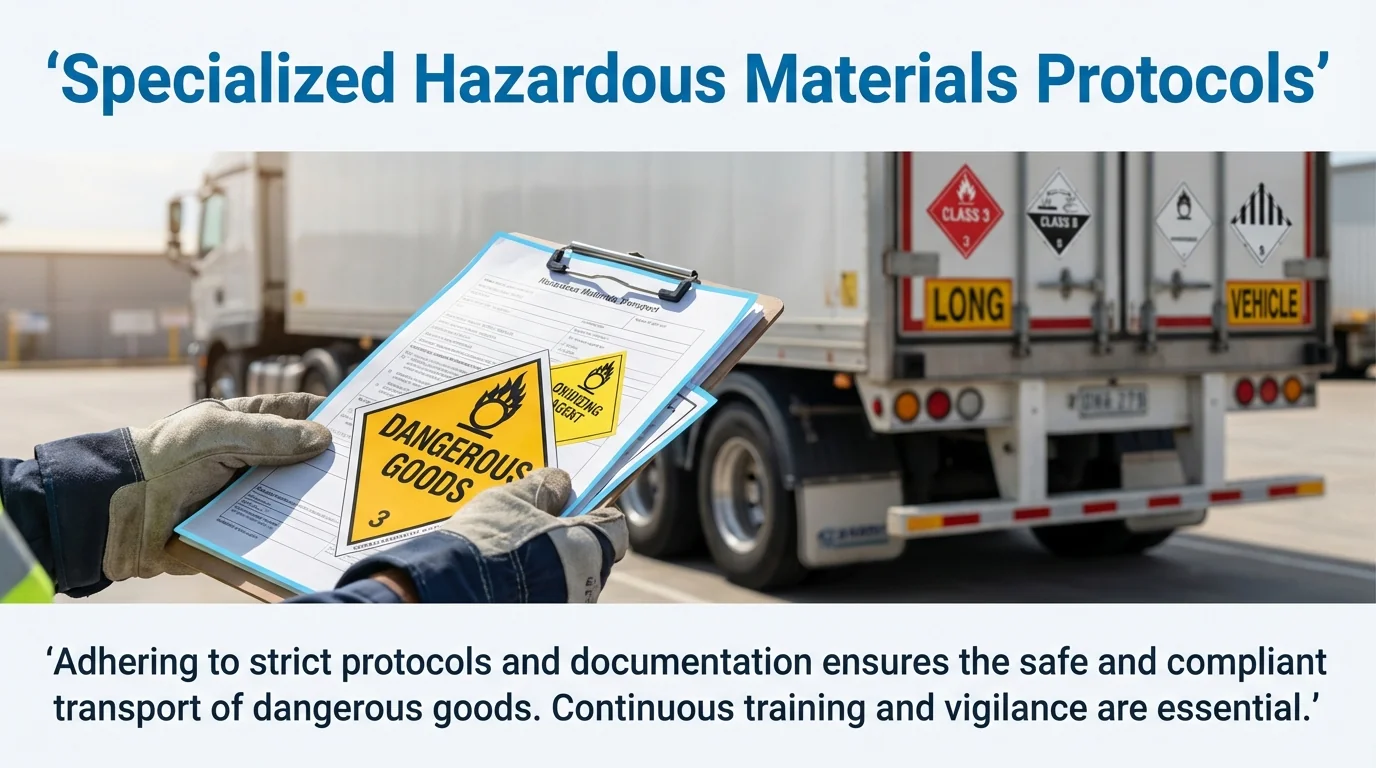
Cargo operations require specific protocols. Load planning ensures stability and prevents structural damage. Hazardous materials protocols include specialized handling, segregation requirements, and emergency response procedures. Securing procedures prevent cargo shift during transit.
Rail Transportation Safety Standards
Rail safety protocols address track infrastructure, rolling stock, signaling systems, and operational procedures. Track maintenance standards ensure structural integrity and proper geometry. Regular inspections identify defects requiring repair.
Rolling stock maintenance follows defined schedules. Braking systems receive particular attention due to their critical safety function. Wheels and bearings are monitored for wear and defects that could cause derailments.
Signaling systems control train movements and prevent collisions. Protocols specify signal placement, aspects, and required responses. Positive train control systems provide automatic enforcement where signals are missed or misinterpreted.
Operating rules govern train movements, speed limits, and switching operations. Crew qualification requires extensive training and demonstrated competency. Regular testing verifies ongoing rule knowledge and operational skills.
Emergency Response and Incident Management
Both maritime and rail protocols include detailed emergency response procedures. These procedures address various scenarios including collisions, fires, hazardous material releases, and passenger evacuations.
Emergency equipment requirements ensure response capabilities. Maritime vessels carry firefighting equipment, lifeboats, and communication devices. Rail operations maintain emergency response plans coordinated with local first responders.
Drill programs ensure personnel can execute emergency procedures effectively. Regular exercises test response capabilities and identify improvement opportunities. Post-drill reviews address deficiencies and update procedures based on lessons learned.
Key Transportation Hazards and Risk Control Measures
Transportation hazards vary by mode but share common characteristics. Understanding these hazards informs effective control measures that reduce risk across operations.
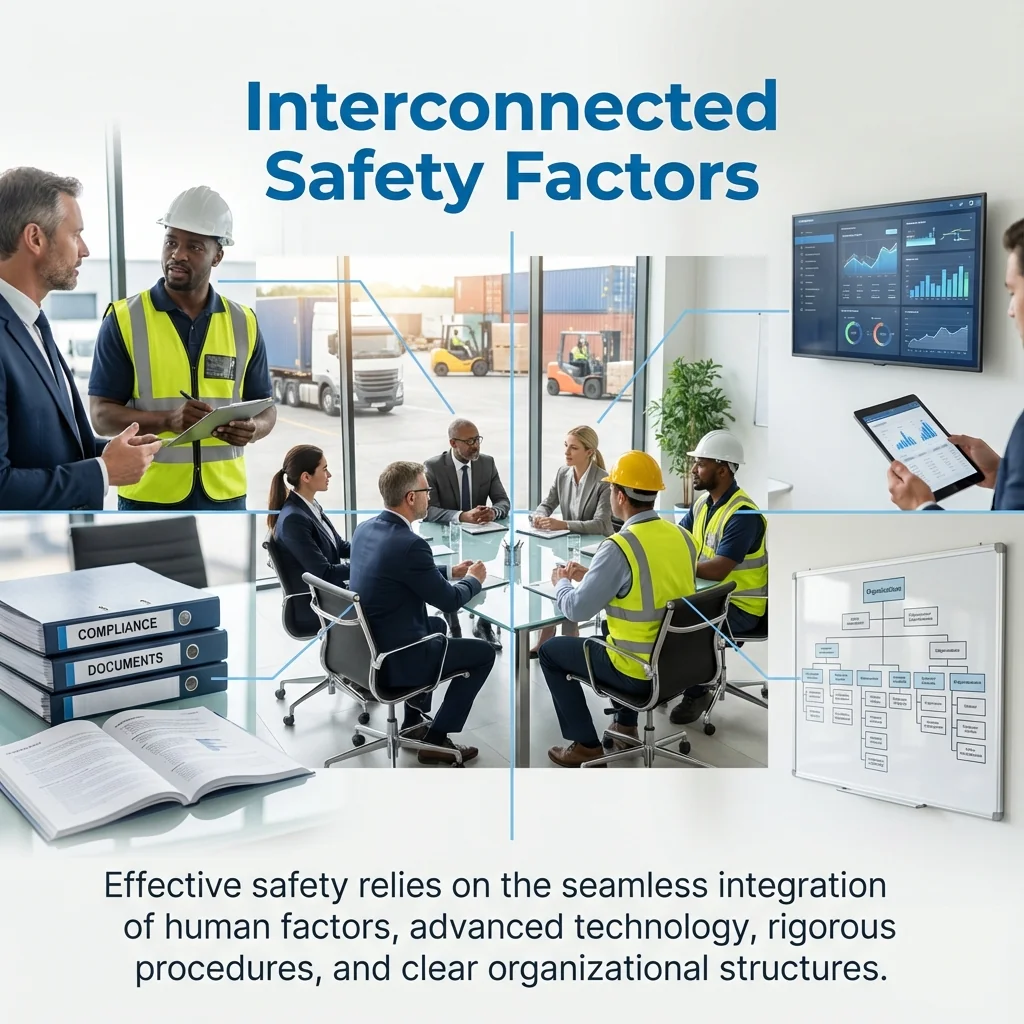
Safety management approaches recognize that outcomes depend on interactions between people, technology, procedures, and organizational processes across all transportation modes. Effective controls address multiple factors rather than focusing narrowly on single causes.
Human Factor Hazards
Human error contributes to most transportation incidents. Fatigue impairs judgment, slows reactions, and increases mistake likelihood. Protocols addressing work hours, rest requirements, and scheduling help manage fatigue risks.
Distraction diverts attention from operational tasks. Mobile device policies, cockpit sterile procedures, and focused task protocols reduce distraction risks. Training emphasizes attention management and situational awareness.
Inadequate training leaves personnel unprepared for abnormal situations. Qualification programs ensure baseline competency. Recurrent training maintains skills and introduces updated procedures. Scenario-based training develops decision-making under pressure.
Equipment and Infrastructure Hazards
Mechanical failures create immediate dangers. Preventive maintenance reduces failure likelihood through scheduled component replacement and condition monitoring. Inspection programs detect deterioration before failures occur.
Infrastructure defects compromise safety margins. Road surface defects affect vehicle control. Track geometry deviations increase derailment risks. Runway conditions impact aircraft performance. Regular inspection and maintenance programs address infrastructure hazards.
Design deficiencies may not become apparent until incidents occur. Systematic investigation and reporting processes identify design issues requiring modification. Industry sharing of safety information accelerates hazard recognition across operators.
Environmental and Operational Hazards
Weather conditions significantly impact transportation safety. Visibility restrictions complicate navigation and collision avoidance. Surface contamination affects traction and braking. Wind forces challenge vehicle control. Weather monitoring and operational limits manage environmental risks.
High-traffic density increases collision exposure. Separation standards, traffic management, and communication protocols reduce density-related risks. Technology solutions assist operators in maintaining awareness of surrounding traffic.
Loading and unloading activities present injury risks. Hazards include falls, struck-by incidents, and overexertion injuries. Control measures include fall protection, personal protective equipment, mechanical aids, and safe work procedures.
| Hazard Category | Specific Risks | Control Measures |
|---|---|---|
| Human Factors | Fatigue, distraction, skill deficiency | Work hour limits, device policies, training programs |
| Mechanical | Equipment failure, maintenance deficiencies | Preventive maintenance, inspections, condition monitoring |
| Environmental | Weather, visibility, surface conditions | Monitoring systems, operational limits, route planning |
| Operational | Traffic density, time pressure, loading hazards | Separation standards, realistic scheduling, safe procedures |
Safety Best Practices Across Transportation Modes
Effective safety protocols share common characteristics regardless of transportation mode. These best practices create systematic approaches that prevent incidents and protect people.
Organizations achieving strong safety performance implement these practices consistently while adapting them to their specific operational contexts.
Establishing Clear Accountability
Safety responsibility must be clearly defined. Job descriptions specify safety duties. Organizational charts show reporting relationships for safety matters. Performance evaluations include safety responsibilities.
Leadership commitment drives safety culture. Management demonstrates commitment through resource allocation, personal involvement, and consistent messaging. Safety receives equal priority with operational and financial objectives.
All personnel understand their individual responsibilities. Training covers both general safety awareness and role-specific duties. Regular communication reinforces expectations and addresses emerging issues.
Implementing Systematic Risk Management
Proactive hazard identification prevents incidents. Regular workplace inspections find hazards before they cause harm. Job safety analyses identify task-specific risks. Change management processes assess risks from new equipment, procedures, or operations.
Risk assessment determines control priorities. Assessments consider both incident likelihood and potential severity. Higher risks receive immediate attention and more robust controls.
Control hierarchies prioritize effective measures. Elimination removes hazards entirely. Engineering controls reduce risks through design. Administrative controls manage exposure through procedures. Personal protective equipment provides a last line of defense.
Organizations can learn from exploring effective safety management system examples that demonstrate practical risk management implementation across different industry contexts.
Maintaining Robust Verification Systems
Regular monitoring confirms procedures are followed. Supervision provides real-time verification and coaching. Audits assess program effectiveness and identify improvement needs. Metrics track performance trends.
Incident investigation provides critical learning. Thorough investigations determine underlying causes. Corrective actions address root causes rather than symptoms. Follow-up verification ensures corrective actions are implemented and effective.
Near-miss reporting captures valuable information. Close calls provide warnings about potential serious incidents. Analyzing near misses identifies hazards requiring better controls before incidents occur.
Supporting Continuous Learning and Improvement
Safety training develops necessary competencies. Initial training provides foundational knowledge. Task-specific training covers job requirements. Refresher training maintains proficiency and introduces updates.
Information sharing accelerates learning. Internal communication spreads lessons from incidents and near misses. Industry collaboration shares safety intelligence across organizations. Regulatory bulletins alert operators to emerging hazards.
Management review evaluates safety program performance. Regular reviews examine metrics, audit findings, and incident trends. Review meetings identify improvement priorities and allocate resources for safety enhancements.
Transportation Security Measures and Threat Protection
Transportation security protocols address intentional threats distinct from safety hazards. Security measures protect passengers, cargo, and infrastructure from criminal acts and terrorism.
Effective security integrates physical measures, operational procedures, and threat intelligence to prevent and respond to security incidents.
Access Control and Screening
Access control restricts entry to secure areas. Perimeter security includes fencing, gates, and surveillance. Credential systems verify authorization before granting access. Multiple security layers provide redundant protection.
Passenger and cargo screening detects prohibited items. Technology solutions identify weapons, explosives, and other threats. Screening protocols balance security effectiveness with operational efficiency. Risk-based approaches focus resources on higher-risk situations.
Personnel security programs verify background and reliability. Screening processes check criminal history and security concerns. Ongoing monitoring detects changes in reliability indicators. Security awareness training helps personnel recognize and report suspicious activities.
Surveillance and Intelligence
Surveillance systems monitor facilities and vehicles. Cameras provide real-time observation and recorded evidence. Analytics software identifies unusual patterns requiring investigation. Monitoring centers coordinate response to detected threats.
Threat intelligence informs security measures. Information sharing between government and industry improves threat awareness. Intelligence analysis identifies evolving tactics requiring adjusted countermeasures. Threat levels trigger enhanced security procedures during elevated risk periods.
Cybersecurity protects operational technology. Transportation increasingly relies on connected systems vulnerable to cyber attacks. Network security, access controls, and incident response procedures protect critical systems.
Emergency Response and Business Continuity
Security incident response plans detail actions during threats. Plans specify notification procedures, evacuation protocols, and coordination with law enforcement. Regular exercises test response capabilities and update procedures.
Business continuity planning ensures operations can continue or quickly resume after security incidents. Redundant systems provide alternate capabilities. Recovery procedures restore normal operations systematically. Communication plans keep stakeholders informed during disruptions.
Coordination with authorities enhances response effectiveness. Liaison with law enforcement, emergency services, and government agencies establishes relationships before incidents occur. Joint planning and exercises improve coordinated response.
For comprehensive regulatory understanding, reviewing resources on understanding HVNL for transport operators provides detailed guidance on legal frameworks that support both safety and security requirements.
Implementing Transport Safety Protocols in Your Operations
Understanding safety protocols is just the beginning. Implementation requires systematic planning, resource commitment, and ongoing management attention.
Start by assessing current practices against regulatory requirements and industry standards. Gap analysis identifies priorities requiring immediate attention. This assessment provides your implementation roadmap.
Develop written procedures documenting expected practices. Procedures should be specific enough to guide actions yet flexible enough to accommodate varying situations. Include the rationale behind requirements so personnel understand why procedures matter.
Training brings procedures to life. Effective training combines knowledge delivery with skill development. Practical exercises and scenario-based training prepare personnel for real situations. Verification ensures training achieves intended learning outcomes.
Resource allocation demonstrates commitment. Safety requires investment in equipment, training, systems, and personnel time. Budget planning should account for both initial implementation and ongoing maintenance of safety programs.
Technology can support safety management. Software systems track compliance activities, manage documentation, and analyze performance data. Choose solutions appropriate for your operational scale and complexity. An essential HVNL compliance checklist for transport operators provides structured guidance for systematic implementation.
Regular review keeps programs current. Operations change, new hazards emerge, and better control methods become available. Schedule periodic program reviews to identify necessary updates. Incident investigations and audits reveal specific improvement needs.
Culture matters as much as systems. Safety culture reflects shared values, beliefs, and behaviors regarding safety. Leadership shapes culture through their actions, decisions, and communications. Positive culture treats safety as a core value rather than a compliance burden.
Continuous improvement should be embedded in your approach. No safety program is ever complete. Each incident provides learning opportunities. Industry developments reveal better practices. Regulatory changes require adaptation. View safety management as an ongoing journey rather than a destination.
Transportation safety protocols work when implemented systematically and maintained consistently. They protect the people who depend on transport services and the personnel who deliver those services. Effective protocols also protect business operations from disruptions, financial losses, and reputational damage that follow serious incidents.
The investment in robust safety protocols returns value through reduced incidents, improved operational efficiency, lower insurance costs, and stronger business relationships. Organizations recognized for safety performance gain competitive advantages in securing contracts and attracting quality personnel.