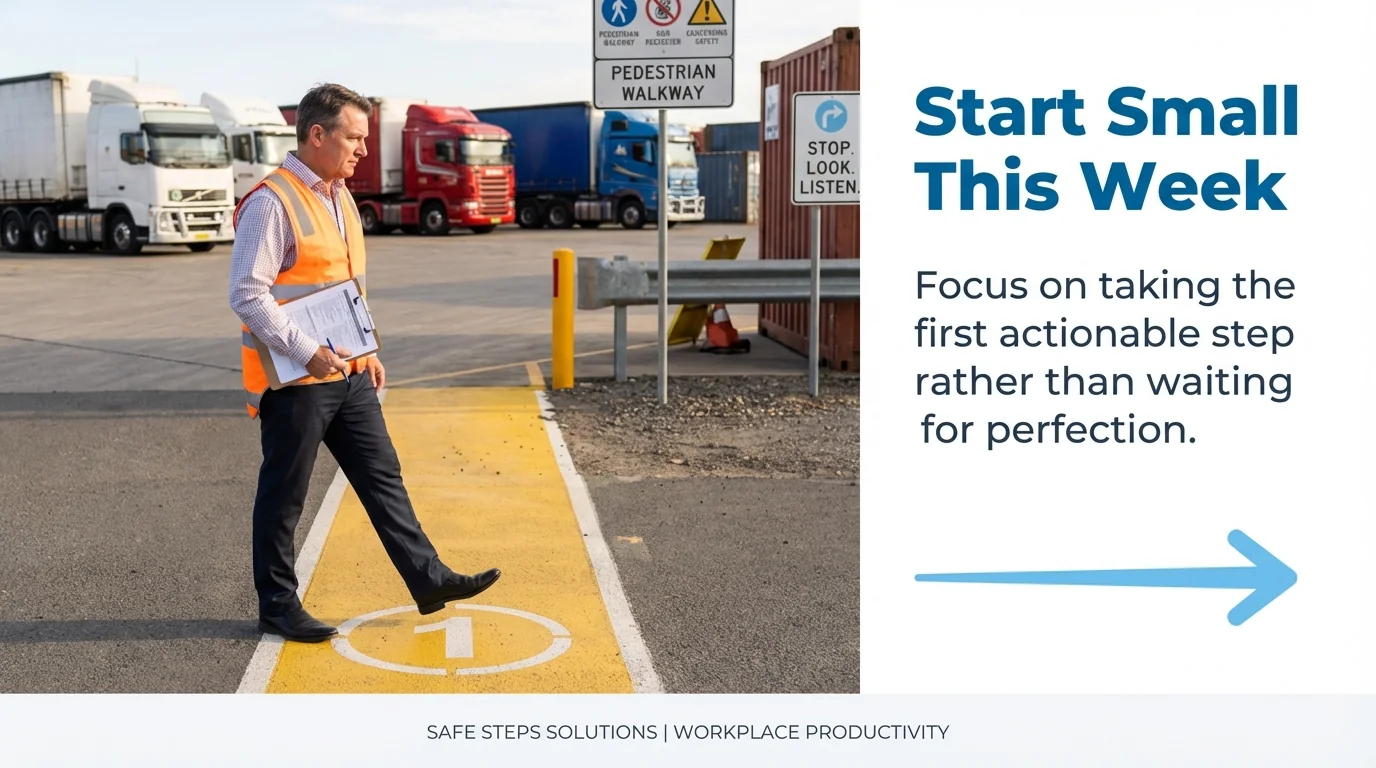
SMS implementation problems rarely stem from the system itself. They emerge from organizational dynamics and process breakdowns that undermine even the most well-designed safety frameworks.
After 25 years across major supply chain operations, I’ve observed that successful SMS implementation hinges on understanding where systems typically fail and addressing those vulnerabilities before they derail your entire program. Most organizations encounter the same eight critical challenges, each requiring specific, practical interventions to resolve.
This guide addresses the systematic troubleshooting approach needed when your SMS implementation stalls. You’ll gain clarity on identifying root causes, implementing targeted solutions, and building sustainable improvement mechanisms.
The organizations that succeed in SMS implementation don’t just understand safety theory. They master the practical realities of organizational change, resource allocation, and cultural transformation that make safety systems function effectively.
Understanding Why SMS Implementation Fails
Safety Management Systems fail for predictable reasons. Understanding these failure patterns allows you to diagnose problems accurately and implement corrections that address root causes rather than symptoms.
SMS implementation requires more than documentation and procedures. It demands fundamental shifts in how organizations approach safety, allocate resources, and engage their workforce.
The most common implementation failures share underlying characteristics. Leadership treats SMS as a compliance exercise rather than operational improvement. Training programs focus on paperwork instead of practical application. Communication structures fail to support genuine hazard reporting and feedback.
The Core Components of Effective SMS
Every functional Safety Management System contains four interconnected elements working in concert. Safety policy establishes the framework and commitment. Risk management processes identify and control hazards systematically. Safety assurance validates that controls work as intended. Safety promotion builds the culture needed for sustained improvement.
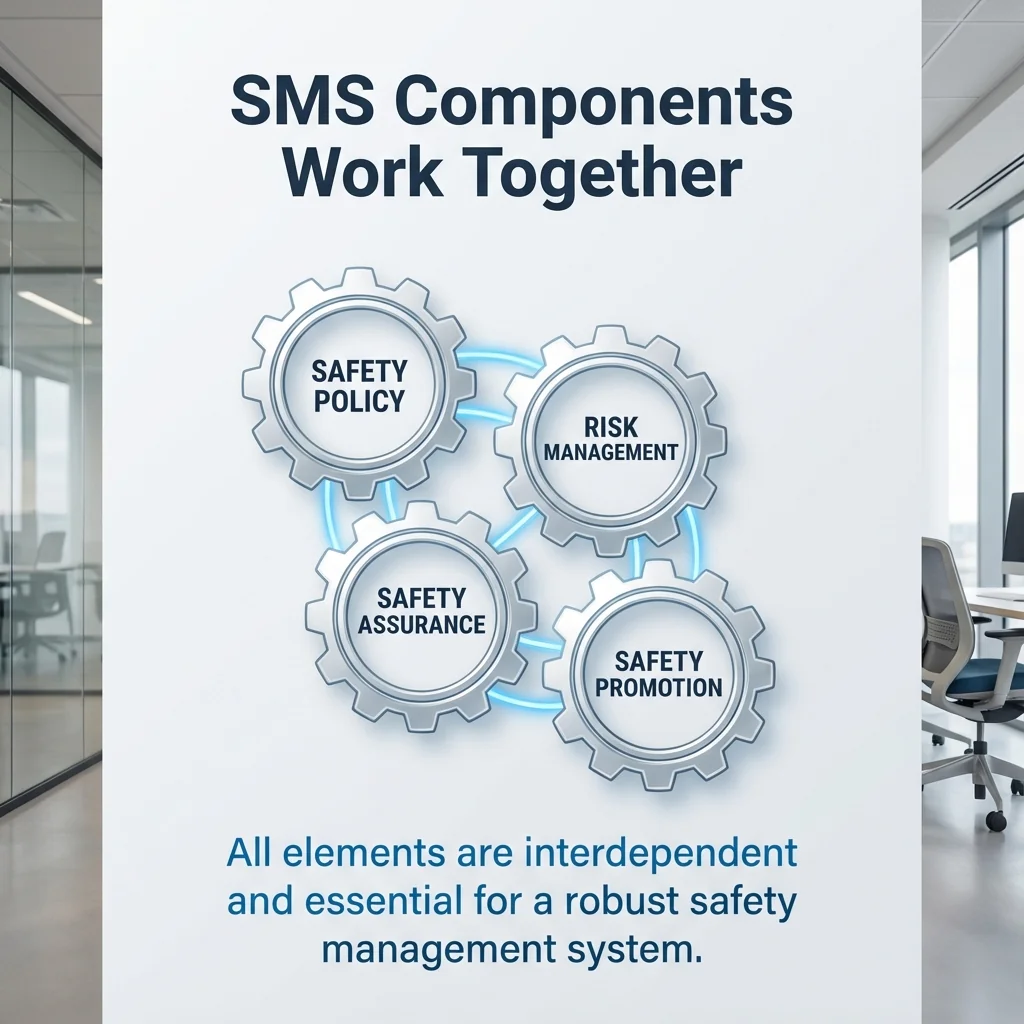
When troubleshooting SMS implementation issues, examine each component individually. Then assess how they interact. Weakness in one area creates cascading failures throughout the system.
Organizations often implement these components sequentially when they should develop simultaneously. Implementing a safety management system requires parallel development of policy, processes, assurance mechanisms, and cultural elements.
Common Warning Signs of SMS Breakdown
Several indicators reveal SMS implementation problems before complete system failure occurs. Declining hazard report submissions signal eroding trust. Repeated near-misses in similar scenarios indicate ineffective risk controls. Growing gaps between documented procedures and actual practices reveal implementation disconnect.
Management disengagement manifests through missed safety meetings and delayed action item completion. Training attendance drops when employees perceive minimal value. Safety performance metrics plateau or decline despite system presence.
Recognizing these warning signs allows early intervention before problems become entrenched. Most SMS failures develop gradually through accumulated small breakdowns rather than sudden catastrophic collapse.
Leadership Commitment and Executive Support Failures
Leadership commitment determines SMS success more than any other factor. When executives treat safety management as delegated responsibility rather than core business function, implementation inevitably falters.
True leadership commitment extends beyond policy endorsements and budget approvals. It requires visible participation, resource prioritization, and accountability enforcement that demonstrates safety’s strategic importance.
Identifying Genuine Leadership Engagement
Assess leadership commitment through actions rather than statements. Executives with genuine commitment attend safety meetings regularly and participate actively. They allocate qualified personnel to safety roles rather than assigning collateral duties. Budget requests for safety resources receive priority consideration comparable to operational needs.
Leaders demonstrate commitment by responding promptly to safety concerns raised by frontline staff. They acknowledge safety performance in regular business reviews. They modify operational decisions when safety implications arise.
Insufficient leadership support creates immediate implementation barriers. Safety managers lack authority to implement necessary changes. Resource requests stall in approval processes. Operational priorities consistently override safety considerations.
Building Executive Buy-In for SMS
Management buy-in develops through clear demonstration of business value rather than regulatory necessity alone. Present SMS benefits in operational terms executives understand. Reduced incidents lower insurance costs and minimize business disruption. Improved safety culture enhances workforce retention and productivity. Systematic risk management prevents costly emergency responses.
Develop executive briefings that connect safety performance to business outcomes. Show how SMS implementation improves operational efficiency alongside safety results. Present implementation plans with clear milestones and measurable returns on investment.
Schedule regular executive engagement with safety processes. Include senior leaders in serious incident reviews. Invite participation in safety audits and facility inspections. Create opportunities for direct interaction with frontline safety champions.
| Leadership Action | Implementation Impact | Measurement Indicator |
|---|---|---|
| Weekly safety reviews | Demonstrates priority and maintains visibility | Attendance records and action item completion |
| Resource allocation | Enables adequate staffing and tools | Budget approvals and position authorizations |
| Policy enforcement | Establishes accountability expectations | Consistent consequences for safety violations |
| Personal participation | Models desired safety culture | Facility visit frequency and engagement quality |
Training and Employee Awareness Deficiencies
Inadequate training represents the most frequent SMS implementation weakness across industries. Organizations often deliver generic safety content that fails to address role-specific requirements or practical application needs.
Safety training programs must go beyond initial orientation sessions. They require ongoing competency development, role-specific education, and practical scenario training that prepares employees for real operational situations.
Assessing Training Program Effectiveness
Evaluate your training approach through outcome measurement rather than completion tracking. Effective programs produce observable behavior changes and improved safety performance. Employees demonstrate competency applying SMS procedures in their daily work. Hazard identification quality improves measurably.
Review training content for practical relevance. Material should connect directly to employee responsibilities and operational realities. Essential tools for an effective safety management system include training resources that address specific organizational needs rather than generic safety concepts.
Training inadequacy manifests through several observable patterns. Employees cannot explain how SMS procedures apply to their roles. Hazard reports lack specificity or actionable detail. Incident investigations reveal fundamental knowledge gaps about risk management processes.
Developing Targeted Training Solutions
Design training programs that address identified competency gaps rather than delivering standardized content. Conduct needs assessments that reveal specific knowledge deficiencies across different workforce segments.
Create role-specific training modules that focus on practical application. Operations staff need different SMS knowledge than maintenance personnel or management teams. Customize content delivery to address these distinct requirements.
Implement multiple delivery methods to accommodate different learning preferences and operational constraints. Combine classroom sessions with on-the-job mentoring and digital learning resources. Schedule training during times that minimize operational disruption while ensuring adequate attendance.
- Conduct annual competency assessments to identify emerging training needs
- Develop scenario-based exercises that simulate realistic safety situations
- Create quick-reference guides that support knowledge retention after training
- Establish mentoring programs pairing experienced staff with new employees
- Schedule refresher training at intervals based on role complexity and turnover
Communication Breakdowns and Reporting Culture Problems
Communication failures undermine SMS effectiveness more subtly than leadership or training deficiencies but with equally destructive results. Information doesn’t flow appropriately between organizational levels. Feedback loops fail to close. Employees stop reporting hazards when they perceive no response or action.
Building robust reporting culture requires demonstrable non-punitive approaches and visible follow-through on reported concerns. Organizations must show that hazard reporting produces meaningful improvements rather than bureaucratic processing.
Diagnosing Communication Failures
Poor communication manifests through specific patterns within SMS operations. Hazard reports receive delayed acknowledgment or no response. Investigation findings never reach frontline staff who submitted concerns. Safety meetings occur infrequently or with limited workforce representation.
Information silos develop when departments operate independently without cross-functional safety coordination. Management receives filtered safety information that obscures emerging problems. Employees learn about safety changes through informal channels rather than structured communication.
Assessment of communication effectiveness requires examining information flow in multiple directions. Upward communication channels allow workforce safety concerns to reach decision-makers. Downward communication delivers policy changes and investigation outcomes to affected staff. Lateral communication enables departments to share safety insights and coordinate responses.
Establishing Effective Safety Communication Systems
Implement structured communication protocols that ensure information reaches appropriate audiences promptly. Define response timeframes for hazard reports based on risk severity. Establish escalation procedures when initial responses prove inadequate.
Create feedback mechanisms that close the loop on reported concerns. Acknowledge every hazard report within 24 hours. Communicate investigation progress at defined intervals. Share findings and corrective actions with reporting employees and affected work groups.
Develop multiple reporting channels that accommodate different comfort levels and situations. Provide options for anonymous reporting alongside direct supervisor notification. Implement digital reporting tools that capture information efficiently while maintaining accessibility.
Schedule regular safety communication through established forums. Conduct toolbox talks that address current concerns and recent incidents. Distribute safety bulletins highlighting lessons learned and procedural changes. Hold quarterly safety town halls enabling direct workforce engagement with management.
Resistance to Organizational Change
Resistance to change emerges naturally when organizations introduce SMS implementation. Employees comfortable with established work patterns perceive new safety procedures as burdensome additions rather than improvements.
Effective change management acknowledges resistance as normal human response rather than defiance. Address underlying concerns about workload impact, competency requirements, and operational disruption through transparent engagement and practical support.
Understanding the Sources of Resistance
Resistance stems from multiple sources within organizations. Some employees fear increased accountability under formalized safety systems. Others worry about competency gaps revealed through new procedures. Many simply resist disruption to familiar routines regardless of potential benefits.
Middle management often exhibits strongest resistance when SMS implementation adds responsibilities without corresponding authority or resources. Supervisors face pressure balancing production demands with new safety requirements. This creates tension that undermines implementation if not addressed proactively.
Cultural factors influence resistance intensity. Organizations with historically punitive safety approaches face deeper skepticism about SMS implementation. Workforces experiencing frequent change initiatives suffer from change fatigue that compounds resistance.
Strategies for Overcoming Implementation Resistance
Engage potential resisters early in SMS development rather than after implementation decisions are finalized. Involve frontline employees in procedure development and pilot testing. This creates ownership and identifies practical concerns before full deployment.
Address workload concerns directly by streamlining procedures and eliminating redundant legacy practices. SMS implementation should replace ineffective existing processes rather than layering additional requirements onto current workloads.
Identify and empower safety champions across organizational levels. These advocates provide peer influence more effectively than top-down directives. Recognize and reward early adopters who demonstrate successful SMS integration.
Communicate implementation benefits in terms employees value. Emphasize how improved safety processes reduce daily frustrations and operational disruptions. Show how systematic risk management prevents the emergency situations that create overtime and schedule disruptions.
Ineffective Risk Management and Safety Processes
Risk management forms the operational core of any Safety Management System. When risk assessment and mitigation processes fail, the entire SMS becomes performative rather than functional.
Effective risk management requires systematic hazard identification, rigorous assessment methodologies, and practical control measures that integrate seamlessly with operations. Many organizations implement risk management procedures that look appropriate on paper but fail to identify or control actual workplace hazards.
Common Risk Management Process Failures
Risk assessment processes often suffer from several recurring weaknesses. Generic hazard identification exercises fail to uncover operation-specific risks. Assessment methodologies apply inconsistently across different work areas or supervisors. Control measures documented in risk registers never get implemented in actual operations.
Many organizations conduct risk assessments as isolated exercises disconnected from operational planning. This produces risk documentation that sits unused while actual work proceeds according to established patterns regardless of identified hazards.
Hazard reporting systems collect information without triggering meaningful assessment or response. Reports accumulate in databases while underlying risks remain uncontrolled. Employees observe this pattern and reduce reporting effort accordingly.
Building Functional Risk Management Processes
Integrate risk assessment into operational planning rather than treating it as separate compliance activity. Require risk evaluation before implementing new procedures, equipment, or operational changes. Build assessment steps directly into work authorization processes.
Develop standardized risk assessment tools that ensure consistency while remaining practical for frontline use. Create assessment templates specific to common job types. Provide training on assessment methodology that goes beyond form completion to develop genuine risk evaluation capability.
Establish control measure hierarchies that prioritize elimination and engineering controls over administrative measures and personal protective equipment. Document why higher-level controls are infeasible when relying on lower hierarchy measures. This ensures appropriate rigor in control selection.
Implement verification procedures that confirm control measures are implemented and effective. Schedule periodic audits of high-risk activities. Review incident patterns for evidence of control failures requiring reassessment.
| Risk Management Element | Implementation Requirement | Verification Method |
|---|---|---|
| Hazard identification | Systematic review processes across all operations | Monthly review of identification coverage and quality |
| Risk assessment | Consistent methodology applied by trained personnel | Sample assessment reviews for methodology compliance |
| Control implementation | Documented measures with clear responsibilities | Physical verification during safety inspections |
| Effectiveness monitoring | Performance indicators tracking control function | Incident analysis revealing control failures |
Resource Allocation and Budget Constraints
Insufficient resources represent both legitimate constraint and convenient excuse during SMS implementation. Organizations must distinguish between actual resource limitations and prioritization decisions that deprive safety systems of adequate support.
SMS implementation does require investment in personnel, technology, training, and infrastructure. However, resource efficiency matters more than absolute spending. Many well-funded programs fail while resource-constrained organizations succeed through strategic allocation and creative solutions.
Identifying True Resource Gaps
Assess current resource allocation before requesting additional funding. Many organizations possess adequate resources distributed inefficiently across competing priorities. Safety personnel spend excessive time on low-value documentation while critical implementation activities go unaddressed.
Evaluate whether dedicated safety positions exist or safety responsibilities constitute collateral duties for operations staff. Collateral duty arrangements rarely provide sufficient time or attention for effective SMS implementation and management.
Review technology and tool availability supporting SMS operations. Safety management system software can significantly reduce administrative burden and improve data management compared to manual processes.
Optimizing Resource Utilization
Eliminate low-value activities consuming safety resources without producing meaningful risk reduction. Many legacy safety procedures continue consuming time and effort despite minimal contribution to actual safety outcomes. Conduct zero-based review of current safety activities to identify elimination candidates.
Leverage technology to automate routine SMS functions where practical. Digital hazard reporting systems reduce processing time compared to paper-based approaches. Automated training tracking eliminates manual compliance monitoring effort. Data analytics tools identify risk patterns more efficiently than manual review.
Develop phased implementation approaches that match resource availability. Prioritize high-risk areas for initial SMS deployment while planning staged expansion to remaining operations. This produces earlier risk reduction returns while spreading resource requirements over extended timeframes.
Build internal capability rather than relying exclusively on external consultants. While external expertise provides value during initial implementation, organizations must develop internal competency for sustainable SMS operations. Invest in employee development to reduce ongoing consulting dependencies.
Technology Integration and Software Challenges
SMS software solutions promise efficiency gains and improved data management. However, technology implementation creates its own troubleshooting challenges when systems don’t integrate properly with existing operations and infrastructure.
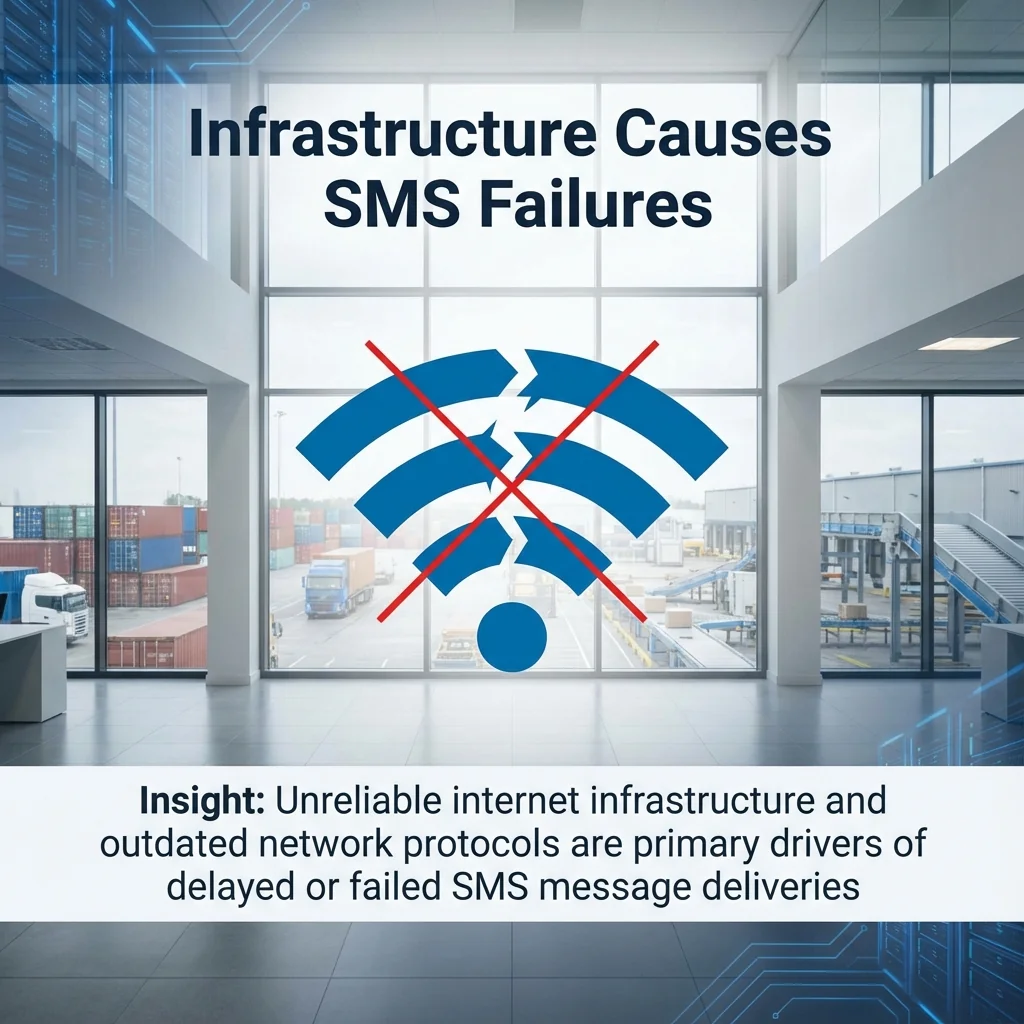
Organizations face numerous technical obstacles during SMS software deployment. Poor or intermittent internet access is a leading cause of SMS delivery failures in enterprise environments. Carrier support limitations, especially with MVNOs, may negatively impact SMS functionality. These infrastructure challenges require systematic resolution before software can function reliably.
Common Technology Implementation Problems
SMS software often fails to integrate smoothly with existing business systems. Data silos develop when safety information remains isolated from operational databases. Manual data transfer between systems consumes resources and introduces errors.
User adoption suffers when software interfaces prove cumbersome or unintuitive. Complex navigation structures frustrate employees attempting to submit hazard reports or complete training. Mobile accessibility limitations prevent field personnel from accessing SMS tools during operational activities.
Configuration issues plague many software implementations. Systems arrive with default settings inappropriate for specific organizational needs. Customization requires technical expertise organizations don’t always possess internally.
Resolving Technology Integration Issues
Conduct thorough requirements analysis before selecting SMS software. Identify critical integration needs with existing systems including maintenance management, document control, and training tracking platforms. Evaluate vendor capabilities delivering required integrations.
Prioritize user experience during software evaluation. Systems must accommodate lowest common denominator of technical capability across workforce. Conduct pilot testing with representative employee groups before full deployment.
Verify infrastructure adequacy supporting SMS software operation. Test network connectivity in all operational areas where software will be accessed. Address connectivity gaps before deployment rather than discovering limitations during rollout.
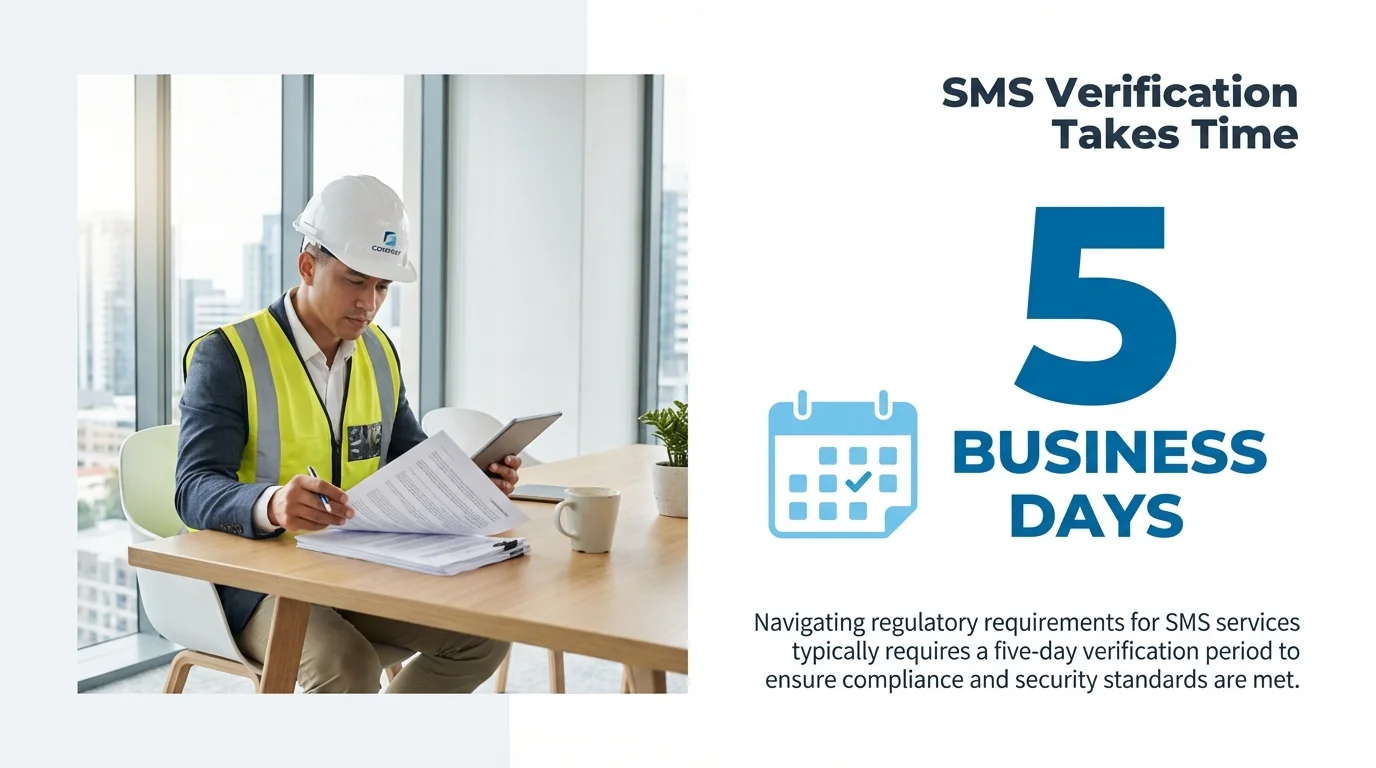
Plan for verification timelines when implementing SMS messaging compliance features. Verification for SMS message compliance can take up to 5 business days. Build these delays into implementation schedules to manage user expectations appropriately.
- Document current state infrastructure capabilities and limitations
- Define minimum technical requirements supporting SMS software operation
- Develop gap remediation plan addressing infrastructure deficiencies
- Conduct phased pilot deployment before organization-wide rollout
- Establish technical support procedures for user assistance and troubleshooting
Continuous Improvement and Follow-Through Failures
SMS implementation doesn’t end with initial deployment. Systems require ongoing monitoring, evaluation, and refinement to remain effective as operations evolve and new risks emerge.
Many organizations treat SMS as set-and-forget initiative rather than continuous improvement process. Initial deployment energy dissipates after go-live. Audits become checkbox exercises. Performance metrics stop driving meaningful action.
Establishing Sustainable Improvement Cycles
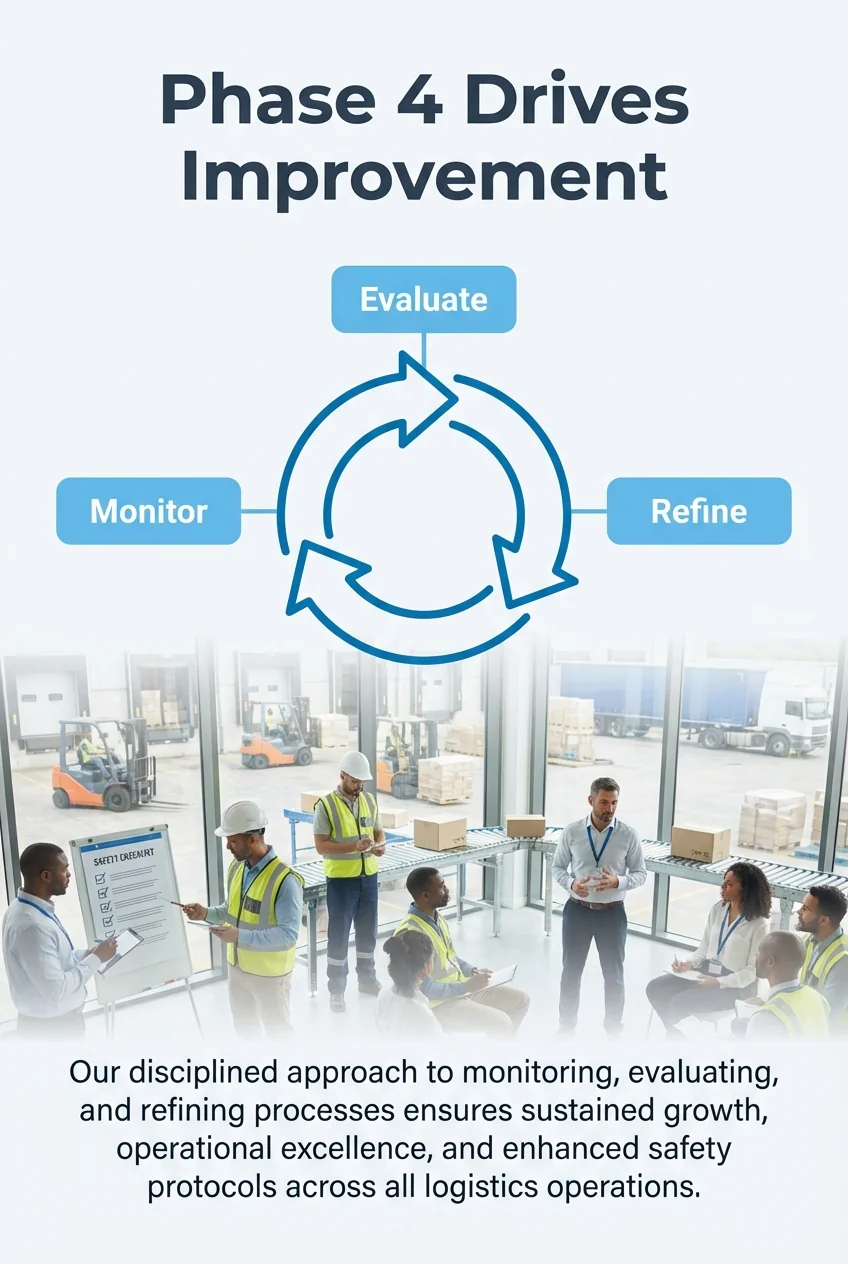
Build formal review processes into SMS operations from the beginning. Phase 4 of SMS implementation is typically the continuous improvement and review stage, where organizations monitor, evaluate, and refine their safety management system to ensure ongoing effectiveness and compliance with regulatory standards. This phase focuses on monitoring, evaluating, and improving the SMS through regular audits, performance reviews, and feedback loops.
Define specific performance indicators measuring SMS effectiveness rather than just activity completion. Track leading indicators like hazard report quality and timeliness alongside lagging measures like incident rates. Establish targets and review trends regularly.
Schedule periodic SMS audits by qualified personnel independent of operations being audited. Develop audit protocols examining both compliance with documented procedures and effectiveness of those procedures in controlling risk. Report findings to executive leadership with recommended improvements.
Maintaining Implementation Momentum
Assign clear ownership for SMS improvement initiatives with defined accountability. Continuous improvement fails when everyone shares general responsibility but no one has specific obligation to drive progress.
Celebrate and communicate SMS successes to maintain organizational engagement. Share stories of hazards identified and controlled through SMS processes. Recognize individuals and teams demonstrating exemplary safety management practices.
Refresh training and communication regularly as procedures evolve. Employees need updates when SMS elements change. Failure to communicate modifications creates disconnection between documented systems and actual practices.
Unlocking the benefits of a safety management system requires sustained commitment beyond initial implementation. Organizations must treat SMS as core business process requiring the same continuous attention as quality management or financial controls.
Building Your SMS Troubleshooting Approach
Effective SMS troubleshooting requires systematic problem identification and targeted intervention. Organizations that succeed in resolving implementation issues follow structured approaches rather than reactive crisis management.
Start with honest assessment of current state against each challenge area outlined above. Identify the two or three issues creating greatest implementation obstacles. Focus corrective effort on these priorities rather than attempting simultaneous resolution of all problems.
Practical Steps for Immediate Application
Conduct stakeholder interviews across organizational levels to understand perception of SMS effectiveness and identify specific concerns. Include frontline employees, supervisors, middle management, and executives. Compare perspectives to identify alignment gaps.
Review SMS documentation against actual operational practices. Observe several common work activities and compare against documented procedures. Identify disconnects requiring either procedure revision or practice correction.
Analyze recent hazard reports and incident investigations for patterns revealing system weaknesses. Look for repeated issues in similar areas suggesting inadequate controls or ineffective risk assessment. Examine report quality as indicator of training effectiveness and reporting culture health.
Schedule executive briefing presenting assessment findings with specific recommendations for priority improvements. Secure commitment for resources needed to address identified gaps. Establish implementation timeline with measurable milestones.
Root cause analysis methodology applies equally to SMS implementation problems as operational incidents. Surface symptoms like declining hazard reports or training attendance often mask deeper organizational issues requiring systematic investigation.
Key Questions for SMS Health Assessment
Regular evaluation using structured questions reveals emerging problems before they undermine system effectiveness. Ask these questions quarterly as part of management review processes.
- Are hazard report submissions increasing or declining compared to previous periods?
- What percentage of hazard reports receive documented response within defined timeframes?
- Do employees across all levels participate actively in SMS processes?
- Can randomly selected employees explain how SMS procedures apply to their roles?
- Are corrective actions from incidents and audits completed within target dates?
Honest answers to these questions guide continuous improvement priorities. Declining trends signal specific areas requiring intervention. Sustained positive trends validate current approaches while highlighting expansion opportunities.
Quick Answers to Common SMS Questions
What is phase 4 of SMS implementation?
Phase 4 focuses on monitoring, evaluating, and improving the SMS through regular audits, performance reviews, and feedback loops. This stage ensures that safety processes remain effective and adapt to changing risks and operational needs, supporting a culture of continuous improvement.
How do you implement SMS?
SMS implementation begins with leadership buy-in and clear safety policies, followed by risk assessments, employee training, and the development of safety procedures. Organizations then monitor, evaluate, and refine their SMS to maintain effectiveness and adapt to new challenges, ensuring a proactive safety culture.
Moving Forward With Confidence
SMS implementation challenges are neither unique to your organization nor insurmountable. The same problems affect organizations across industries and scales. Success comes from systematic problem identification and structured resolution rather than exceptional resources or expertise.
Focus on building sustainable systems rather than achieving perfect compliance immediately. SMS effectiveness develops through iterative improvement cycles, not single implementation events. Each correction strengthens the foundation for continued development.
The organizations I’ve worked with over 25 years that achieved genuine SMS success shared common characteristics. They maintained realistic expectations about implementation timelines. They prioritized practical risk reduction over documentation perfection. They engaged their workforce as partners rather than policy recipients.
Your SMS troubleshooting journey starts with honest assessment of where implementation stands today. Identify your priority challenges from the issues covered here. Develop specific action plans addressing root causes rather than symptoms. Then commit to sustained follow-through that builds capability over time.
Effective safety management transforms from compliance burden to operational advantage when organizations address implementation obstacles systematically. Understanding why SMS matters provides motivation for overcoming challenges rather than accepting dysfunction.
Start with one improvement area this week. Success builds momentum that carries implementation forward more effectively than ambitious plans without action. Your organization’s safety depends on converting SMS concepts into functional reality through persistent problem-solving and continuous refinement.