
The Heavy Vehicle National Law Amendment Bill 2025 represents the most significant transformation of Australia’s heavy vehicle regulatory framework since the HVNL commenced in 2014. Passed by Queensland Parliament in late 2024, this Amendment Package introduces mandatory Safety Management Systems (SMS), restructures the entire accreditation framework into two distinct pathways, strengthens Chain of Responsibility executive obligations, and implements new fitness-to-drive requirements. These changes take effect mid-2026, giving operators approximately 18 months to prepare for a fundamentally different compliance environment that shifts from prescriptive rules to risk-based safety management.
The National Heavy Vehicle Regulator (NHVR) will oversee this transition through staged implementation, supported by the recently released Master Code of Practice. Operators managing vehicles above 4.5 tonnes GVM face new obligations around hazard identification, control measures, and systematic safety monitoring.
What follows is a detailed breakdown of each reform area, the practical implications for your operations, and the specific steps required to achieve compliance before the mid-2026 commencement date.
Overview of HVNL Reform and Timeline
The Heavy Vehicle National Law reform began with the National Transport Commission’s (NTC) detailed regulatory review that commenced in 2018. After extensive consultation with industry stakeholders, the NTC developed policy recommendations that formed the basis of the Heavy Vehicle National Law Amendment Bill 2025.
Queensland Parliament passed the Amendment Bill in December 2024, with other participating jurisdictions expected to adopt corresponding legislation through their own parliamentary processes. The NHVR has confirmed a mid-2026 commencement date for the substantive reforms, though some preparatory measures will begin earlier.
This timeline provides operators with roughly 18 months from early 2025 to prepare compliance frameworks, train personnel, and implement required systems. The phased approach recognizes the significant operational changes required, particularly for smaller operators without existing safety management infrastructure.
Key Reform Areas Under the Amendment Package
The 2025 Amendment Package addresses seven distinct regulatory areas. Safety Management Systems form the cornerstone, requiring operators to implement systematic approaches to identifying hazards, assessing risks, and implementing controls.
Accreditation framework changes restructure the existing system into two clear pathways. The Chain of Responsibility provisions strengthen executive duty obligations and clarify primary safety duties across the supply chain.
Fatigue management reforms modernize work and rest requirements while introducing fitness-to-drive provisions. Mass, dimension, and loading regulations receive targeted updates, though these represent refinements rather than wholesale changes.
| Reform Area | Primary Change | Implementation Phase |
|---|---|---|
| Safety Management Systems | Mandatory SMS for all operators | Mid-2026 |
| Accreditation Framework | Two-pathway system introduced | Mid-2026 |
| Chain of Responsibility | Enhanced executive duties | Mid-2026 |
| Fatigue Management | Fitness-to-drive requirements | Mid-2026 |
| Vehicle Access | Streamlined notice processes | Early 2026 |
What the Mid-2026 Commencement Means for Operators
The mid-2026 commencement date triggers mandatory compliance obligations. Operators cannot continue under existing arrangements without implementing the required changes.
The NHVR will provide transition guidance and support resources throughout 2025 and early 2026. Operators should begin preparation immediately, particularly around SMS development and personnel training.
Those with existing National Heavy Vehicle Accreditation Scheme (NHVAS) accreditation will need to transition to one of the new pathways. The NHVR has indicated that current accreditation will remain valid during a defined transition period, but operators must migrate to the new framework.
New Accreditation Framework: General Safety and Alternative Compliance
The Heavy Vehicle National Law Amendment Bill 2025 replaces the current NHVAS with a two-pathway accreditation framework. This restructure addresses longstanding industry feedback about the complexity and accessibility of the existing system.
Both pathways require Safety Management Systems as the foundation. The distinction lies in how operators demonstrate compliance and the level of regulatory oversight applied.
General Safety Accreditation Pathway
General safety accreditation suits most operators seeking recognition for systematic safety management. This pathway requires demonstrated implementation of SMS covering all relevant HVNL obligations.
Operators in this pathway undergo regular audits by NHVR-approved auditors. The audit framework assesses both documentation and practical implementation of safety systems.
Benefits include regulatory recognition, potential insurance premium reductions, and streamlined interactions with the NHVR. The pathway provides flexibility in how operators structure their SMS, provided they meet the core requirements.
- Systematic hazard identification and risk assessment processes
- Documented safety policies and procedures accessible to all personnel
- Regular monitoring and review mechanisms with recorded outcomes
- Corrective action processes for identified non-conformances
- Management commitment demonstrated through resource allocation
Alternative Compliance Accreditation Pathway
Alternative compliance accreditation allows operators to demonstrate compliance through alternative means that achieve equivalent safety outcomes. This pathway suits operators with unique operational circumstances or those using advanced technology solutions.
The NHVR assesses alternative compliance applications against strict criteria. Operators must prove their alternative approach delivers safety outcomes equivalent to or better than standard requirements.
This pathway requires more detailed documentation of the rationale and evidence supporting the alternative approach. The approval process involves technical assessment by NHVR specialists.
Transitioning from Current NHVAS Accreditation
Existing NHVAS accredited operators must select and transition to one of the new pathways before their current accreditation expires. The NHVR will provide specific transition guidance outlining the process and requirements.
Most operators will find general safety accreditation aligns with their existing systems. Those currently using advanced fatigue management or other alternative approaches may pursue alternative compliance accreditation.
Start reviewing your current safety systems against the new SMS requirements now. Identify gaps between your existing approach and the requirements outlined in the Master Code of Practice.
Safety Management Systems (SMS) Requirements
Safety Management Systems become mandatory for all heavy vehicle operators under the HVNL reform. This represents the single most significant operational change for many businesses.
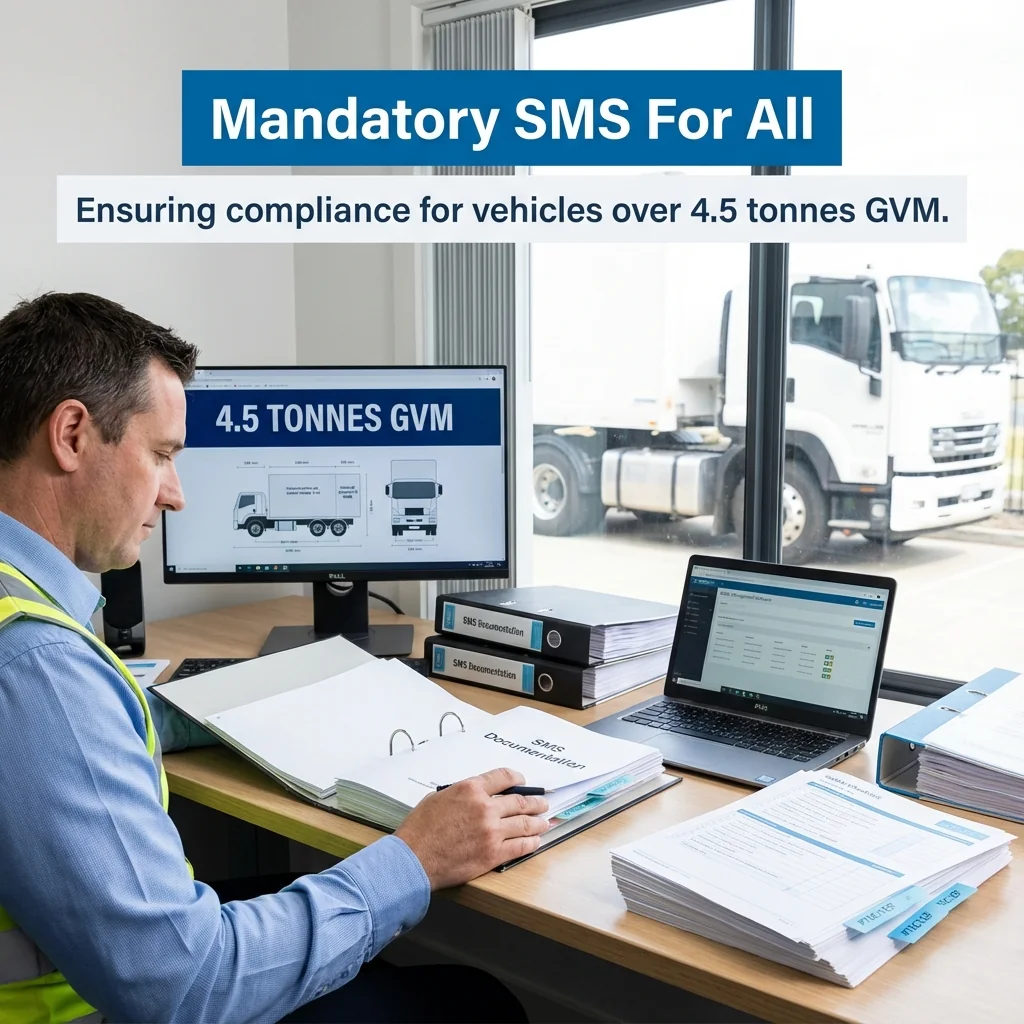
The SMS requirement applies to operators of vehicles above 4.5 tonnes GVM. The system must be proportionate to the scale and complexity of operations, meaning small operators can implement simpler systems than large fleet managers.
The NHVR has released the Master Code of Practice as the primary guidance document. This code provides the framework for developing and implementing compliant SMS.
Core Components of a Compliant SMS
Every SMS must include systematic hazard identification processes. Operators need documented methods for identifying safety hazards across all aspects of operations, from vehicle maintenance to driver fatigue management.
Risk assessment follows identification. The SMS must include processes for evaluating the likelihood and consequence of identified hazards, then prioritizing control measures accordingly.
Control implementation forms the practical application phase. Your SMS documents the specific controls applied to each identified risk and assigns responsibility for implementation and monitoring.
| SMS Component | Key Requirements | Documentation Needed |
|---|---|---|
| Hazard Identification | Systematic process for all operations | Hazard register, assessment forms |
| Risk Assessment | Evaluation methodology and criteria | Risk matrix, assessment records |
| Control Measures | Documented controls with responsibilities | Control register, procedures |
| Monitoring Systems | Regular review and data collection | Audit schedules, performance data |
| Management Review | Leadership engagement and improvement | Review minutes, action plans |
Building Your SMS Using the Master Code
The Master Code of Practice provides detailed guidance on SMS development. Start by downloading the code from the NHVR website and reviewing the requirements relevant to your operations.
Map your current safety processes against the Master Code requirements. Most operators already perform some elements, even if not formally documented as a system.
Identify gaps where your current approach doesn’t meet the documented, systematic requirements. Prioritize closing these gaps based on risk level and implementation complexity.
Document your processes in accessible formats. Your SMS documentation needs to be usable by the people actually doing the work, not just compliance officers.
SMS Implementation Timeline and Support
Begin SMS development now if you haven’t started. The mid-2026 deadline allows approximately 18 months, but developing a robust system takes time, particularly for larger operations.
The NHVR offers various support resources including webinars, guidance materials, and direct consultation for complex situations. Their website maintains an updated resource library specifically for HVNL reform implementation.
Consider engaging specialists for initial system design, particularly if you lack in-house safety expertise. The investment in proper foundation work prevents costly rework and compliance issues later.
Enhanced Fatigue Management and Fitness-to-Drive Rules
Fatigue management reforms under the HVNL Amendment Bill 2025 introduce significant changes to how operators manage driver work and rest requirements. The new provisions move beyond simple hour counting toward a more holistic fitness-to-drive framework.
These changes recognize that fatigue represents just one aspect of driver fitness. The reforms integrate fatigue management with broader health and capability considerations.
Updated Fatigue Management Framework
The core work and rest hours provisions receive refinements rather than wholesale replacement. The basic framework of standard hours, basic fatigue management, and advanced fatigue management continues, with modifications to improve clarity and enforceability.
Record-keeping requirements become more specific under the new framework. Operators must maintain detailed records demonstrating compliance with chosen fatigue management options.
The SMS requirement integrates with fatigue management. Your system must include specific processes for monitoring fatigue-related risks and implementing controls beyond the minimum regulatory requirements.
New Fitness-to-Drive Requirements
The fitness-to-drive provisions represent entirely new obligations. These requirements prohibit driving when unfit due to various factors including fatigue, illness, injury, or substance impairment.
Drivers carry primary responsibility for their fitness assessment. However, Chain of Responsibility provisions extend obligations to other parties who should have known a driver was unfit.
Operators must implement systems for identifying potential unfitness indicators. Your SMS should include processes for health monitoring, incident reporting, and fitness assessment triggers.
- Pre-trip driver self-assessment protocols
- Clear policies on when drivers must not commence or continue driving
- Reporting mechanisms for health concerns or incidents
- Return-to-work assessments following illness or injury
- Substance testing programs where operationally appropriate
Unfit to Drive Prohibition Enforcement
The unfit to drive prohibition gives enforcement officers additional powers. Officers can issue prohibition notices preventing driving when they reasonably believe a driver is unfit.
This prohibition operates independently of work and rest hour compliance. A driver may have adequate rest hours but still be prohibited from driving due to other fitness concerns.
Operators need processes for managing prohibition situations, including driver transport, load management, and customer communication. Include these scenarios in your SMS planning.
Chain of Responsibility Changes and Executive Obligations
The Heavy Vehicle National Law Amendment Bill 2025 strengthens Chain of Responsibility (CoR) provisions significantly. These changes increase accountability across the supply chain, particularly for executives and officers.
Understanding Chain of Responsibility under the HVNL becomes more critical as executive duties expand. The amendments clarify who bears responsibility and under what circumstances.
Enhanced Primary Safety Duty Provisions
The primary safety duty applies to all parties in the supply chain with influence over transport operations. The Amendment Bill clarifies this duty and provides detailed guidance on what “reasonably practicable” means in various contexts.
Parties must eliminate risks so far as reasonably practicable, or if elimination isn’t possible, minimize risks so far as reasonably practicable. This formulation comes directly from work health and safety legislation.
The reasonably practicable test considers likelihood of harm, potential severity, available knowledge about the hazard, availability of control measures, and cost of controls relative to risk reduction achieved.
Executive Officer Due Diligence Requirements
Executive officers face specific due diligence obligations under the amended CoR provisions. These duties require active engagement with safety management, not passive oversight.
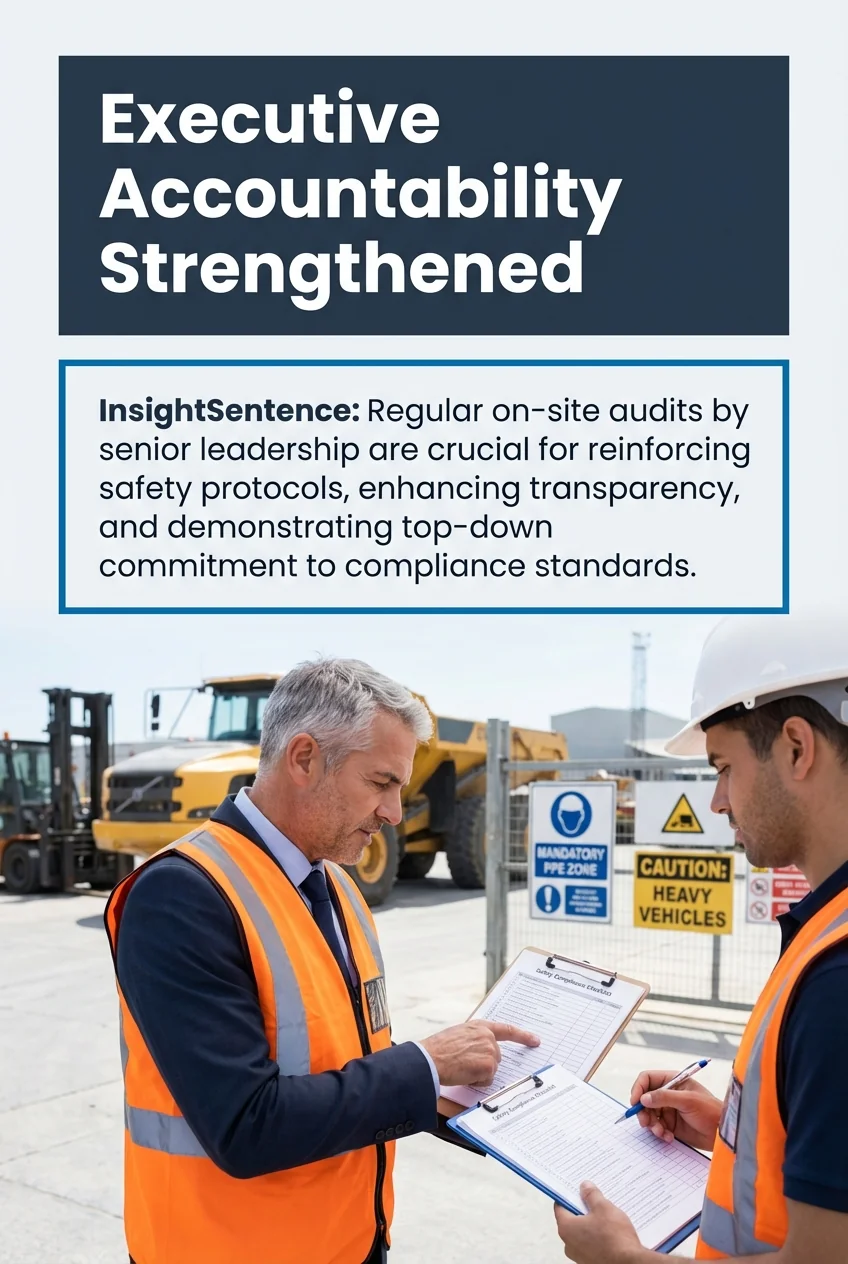
Officers must acquire and maintain knowledge of HVNL requirements relevant to their organization’s operations. This goes beyond general awareness to detailed understanding of applicable provisions.
They must ensure appropriate resources and processes exist for managing HVNL compliance. This includes reviewing SMS implementation and ensuring adequate funding and personnel allocation.
| Executive Duty | Practical Requirement | Evidence Examples |
|---|---|---|
| Acquire knowledge | Understand HVNL obligations | Training records, briefing notes |
| Understand operations | Know how transport activities work | Site visits, operational reviews |
| Ensure resources | Allocate budget and personnel | Budget approvals, staffing decisions |
| Ensure processes | Implement compliance systems | SMS documentation, audit results |
| Verify information | Check compliance reporting accuracy | Verification procedures, spot checks |
Supply Chain Integration Requirements
The CoR changes emphasize supply chain integration. Parties can’t isolate themselves through contractual terms that push responsibilities onto others without ensuring capacity to meet those responsibilities.
Consignors, consignees, loaders, and schedulers all face explicit obligations. The amendments clarify how these duties apply in complex supply chain arrangements.
Your contracts and commercial arrangements need review against the updated CoR framework. Ensure terms don’t create unreasonable pressures that compromise safety or push obligations onto parties lacking control or capacity.
Impact on Operators: 4.5 Tonne GVM Threshold and Beyond
The 4.5 tonne GVM threshold determines which vehicles and operations fall under HVNL regulation. This threshold remains unchanged under the Amendment Bill, but the obligations for operators above this threshold increase significantly.
Understanding HVNL requirements for transport operators becomes more complex as the SMS and other new obligations layer onto existing requirements.
Small Operator Considerations
Small operators running one or two vehicles above 4.5 tonnes GVM face the same fundamental obligations as large fleet managers. However, the SMS requirement allows for proportionality.
Your system complexity should match your operational complexity. A single truck operator doesn’t need the same documentation volume as a 100-vehicle fleet.
The NHVR has committed to providing simplified guidance for small operators. Watch for these resources as implementation approaches.
Consider collaborative approaches. Industry associations may develop shared SMS templates that small operators can adapt to their specific circumstances.
Fleet Operator Obligations
Large fleet operators face more complex implementation challenges. Your SMS must cover diverse operations, multiple sites, and potentially hundreds of drivers.
System consistency across sites becomes critical. While local adaptation makes sense, core processes need standardization to ensure comprehensive coverage.
Data management grows more important as fleet size increases. Consider how you’ll collect, analyze, and act on safety information across your entire operation.
The complete HVNL compliance framework requires integration of multiple systems, from maintenance management to driver training records to incident reporting.
Cross-Border Operation Impacts
The HVNL applies across participating jurisdictions. Cross-border operators benefit from consistent regulation rather than navigating different state-based requirements.
However, some variations exist in how jurisdictions implement specific provisions. Stay informed about any jurisdiction-specific requirements affecting your operations.
The NHVR coordinates nationally, but local road managers retain certain powers. Your SMS should account for any local access requirements or restrictions affecting your routes.
Implementation Timeline and Preparation Steps
The mid-2026 commencement date for HVNL reform provides a clear deadline for compliance preparation. Effective implementation requires structured planning and staged execution.
Don’t underestimate the time required. SMS development, personnel training, and system testing take months, not weeks, particularly for larger operations.
Immediate Actions for 2025
Begin by conducting a gap analysis. Review your current safety and compliance systems against the new SMS requirements outlined in the Master Code.
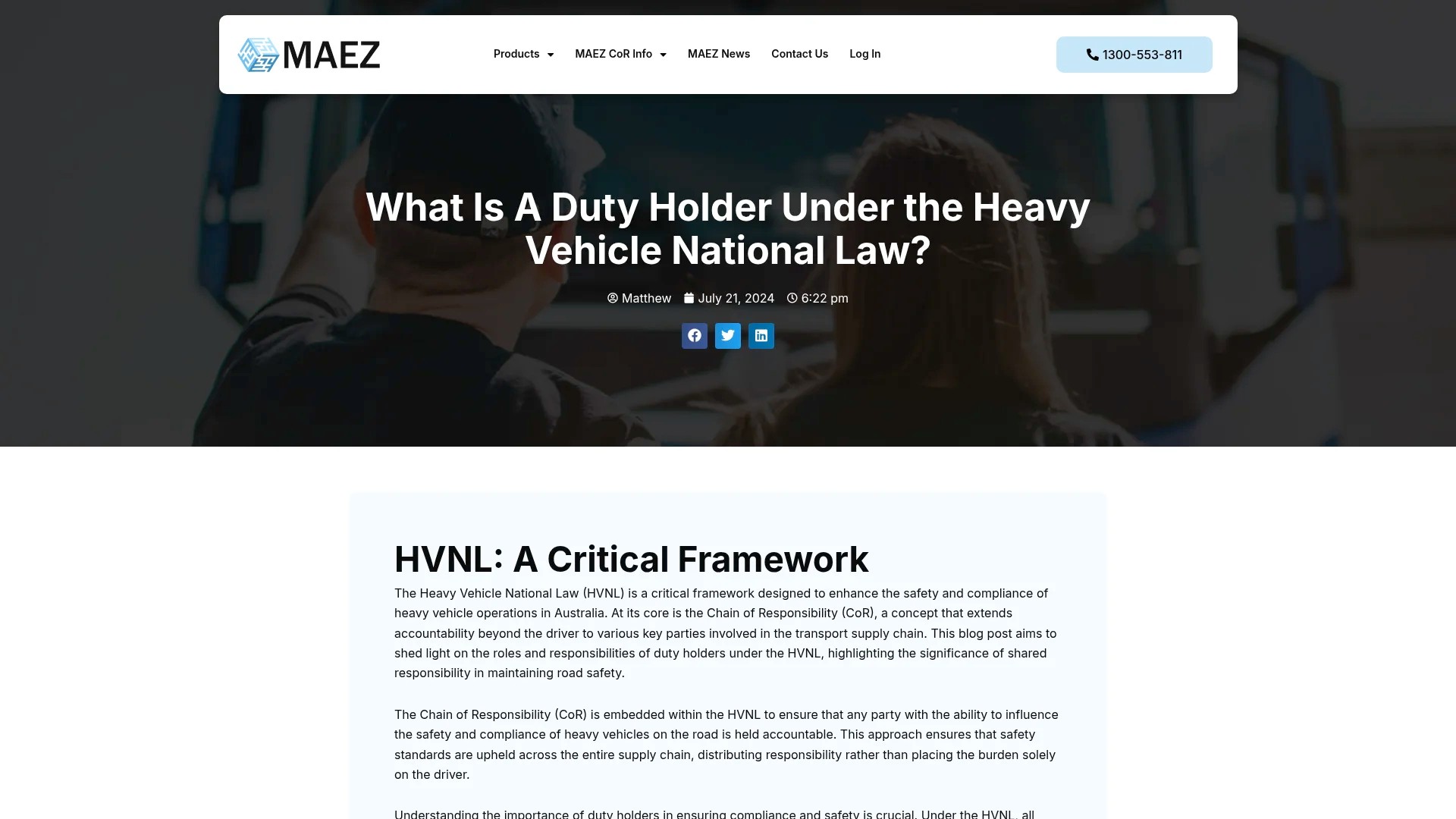
Assess your executive team’s HVNL knowledge. Identify training needs and schedule sessions covering HVNL duty holder obligations and due diligence requirements.
Review your contracts and commercial arrangements. Identify terms that may create compliance issues under the strengthened CoR provisions.

- Download and review the Master Code of Practice from the NHVR website
- Conduct SMS gap analysis comparing current practices to new requirements
- Develop project plan with milestones leading to mid-2026 implementation
- Allocate budget for system development, training, and potential external support
- Establish implementation team with clear roles and reporting structure
Mid-2025 Development Phase
Use the middle months of 2025 for detailed SMS development. Document your processes, create required forms and registers, and establish monitoring mechanisms.
Begin pilot testing with a subset of operations or sites. This allows refinement before full-scale rollout.
Develop training materials and commence personnel education. Everyone from executives to drivers needs appropriate training on the new requirements.
Late 2025 to Early 2026 Testing and Refinement
The final months before mid-2026 commencement should focus on system testing and refinement. Run your SMS as if it were already mandatory.
Conduct internal audits identifying any remaining gaps. Address these before the NHVR or external auditors assess your system.
Finalize your accreditation pathway decision. Submit applications if pursuing immediate accreditation upon commencement.
Understanding penalties for HVNL breaches emphasizes why thorough preparation matters. Non-compliance after mid-2026 carries significant consequences.
NHVR Support and Regulatory Guidance
The National Heavy Vehicle Regulator provides extensive support resources for operators preparing for HVNL reform. Taking advantage of these resources reduces implementation challenges.
The NHVR website maintains a dedicated reform section with guidance materials, webinars, and updates. Check this regularly as new resources become available.
Available Support Resources
The Master Code of Practice represents the primary guidance document. This code provides detailed requirements for SMS development and implementation.
The NHVR offers webinars covering specific reform areas. These sessions include opportunities for questions and practical guidance.
Industry-specific guidance addresses unique circumstances facing particular sectors. Watch for materials relevant to your operational context.
- Master Code of Practice for Safety Management Systems
- Reform implementation guides and fact sheets
- Webinar recordings and presentation materials
- Frequently asked questions databases
- Direct consultation channels for complex situations
Consultation and Feedback Mechanisms
The NHVR maintains open consultation channels throughout implementation. Operators encountering practical difficulties or ambiguous requirements can raise these for clarification.
Industry associations play an important role in aggregating feedback and representing sector interests. Engage with your relevant association on reform matters.
The National Transport Commission continues its policy development role. While the Amendment Bill has passed, detailed regulatory instruments still require finalization.
Ongoing Regulatory Monitoring
Stay informed about regulatory developments through NHVR subscription services. Email alerts notify subscribers of new guidance, consultation papers, and important updates.
The HVNL remains subject to ongoing review and refinement. While the 2025 Amendment Package represents major reform, expect continued evolution based on implementation experience.
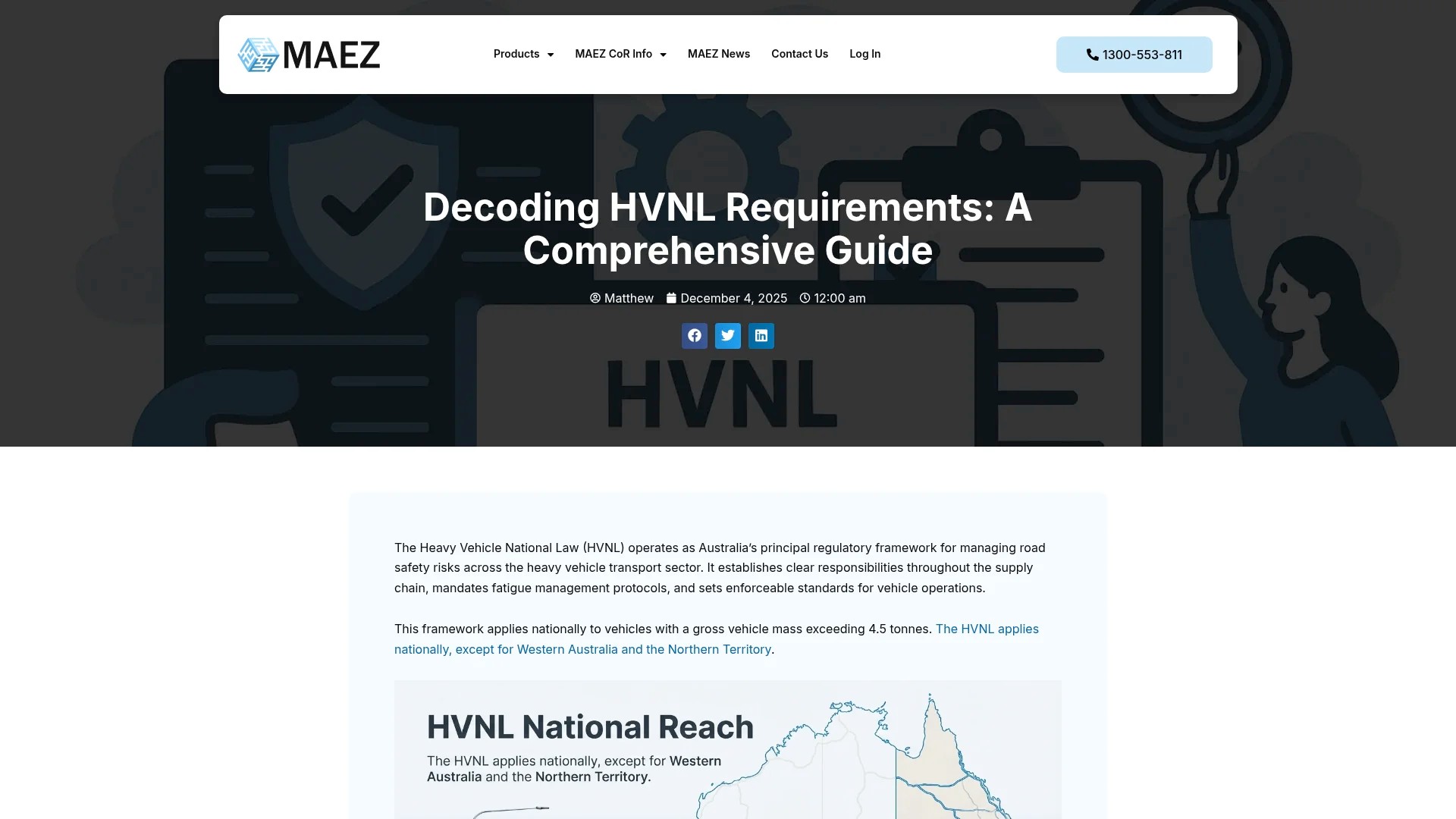
Decoding HVNL requirements requires staying current with both legislative provisions and NHVR interpretive guidance.
The HVNL reform represents the most significant regulatory change for heavy vehicle operations in over a decade. The mandatory SMS requirement, restructured accreditation pathways, and strengthened CoR provisions fundamentally alter how operators approach safety and compliance.
The mid-2026 commencement date provides time for preparation, but only if operators begin now. Gap analysis, system development, training, and testing require structured effort over many months.
Your first action should be downloading the Master Code of Practice and conducting an honest assessment of your current systems against the new requirements. Identify where gaps exist and develop a realistic timeline for closing them.
For detailed implementation support, consider working with specialists who understand both the regulatory requirements and practical operational realities. The investment in proper system design prevents costly compliance failures and positions your operation for long-term success under the reformed HVNL framework.