
A safety management system provides organizations with a structured framework to improve employee safety and health while delivering measurable business advantages. This proactive, collaborative process identifies and fixes workplace hazards before incidents occur. Beyond protecting workers, an effective SMS reduces operational costs, ensures compliance with safety regulations, and builds a culture where employees feel valued and engaged in their work.
The difference between organizations with mature safety management systems and those without is striking. Companies with systematic approaches to safety experience fewer workplace accidents, lower insurance premiums, and stronger employee morale.
These benefits extend far beyond avoiding penalties. When safety and health integrate into core business practices such as purchases, contracts, design, and development processes, organizations gain competitive advantages that directly impact their bottom line.
This guide explores seven key benefits that demonstrate why implementing a safety management system represents a strategic investment rather than a compliance burden.
What is a Safety Management System?
A safety management system establishes formal processes for identifying hazards, assessing risks, and implementing controls to protect workers. Rather than responding to incidents after they occur, an SMS takes a proactive approach to prevent injuries and illnesses before they happen.
The system creates accountability at all organizational levels. Management sets policy direction and allocates resources. Supervisors implement safety procedures. Workers participate in hazard identification and follow established protocols.
Most safety management systems follow similar core elements. These include management commitment, worker participation, hazard identification, hazard prevention and control, education and training, and program evaluation and improvement.
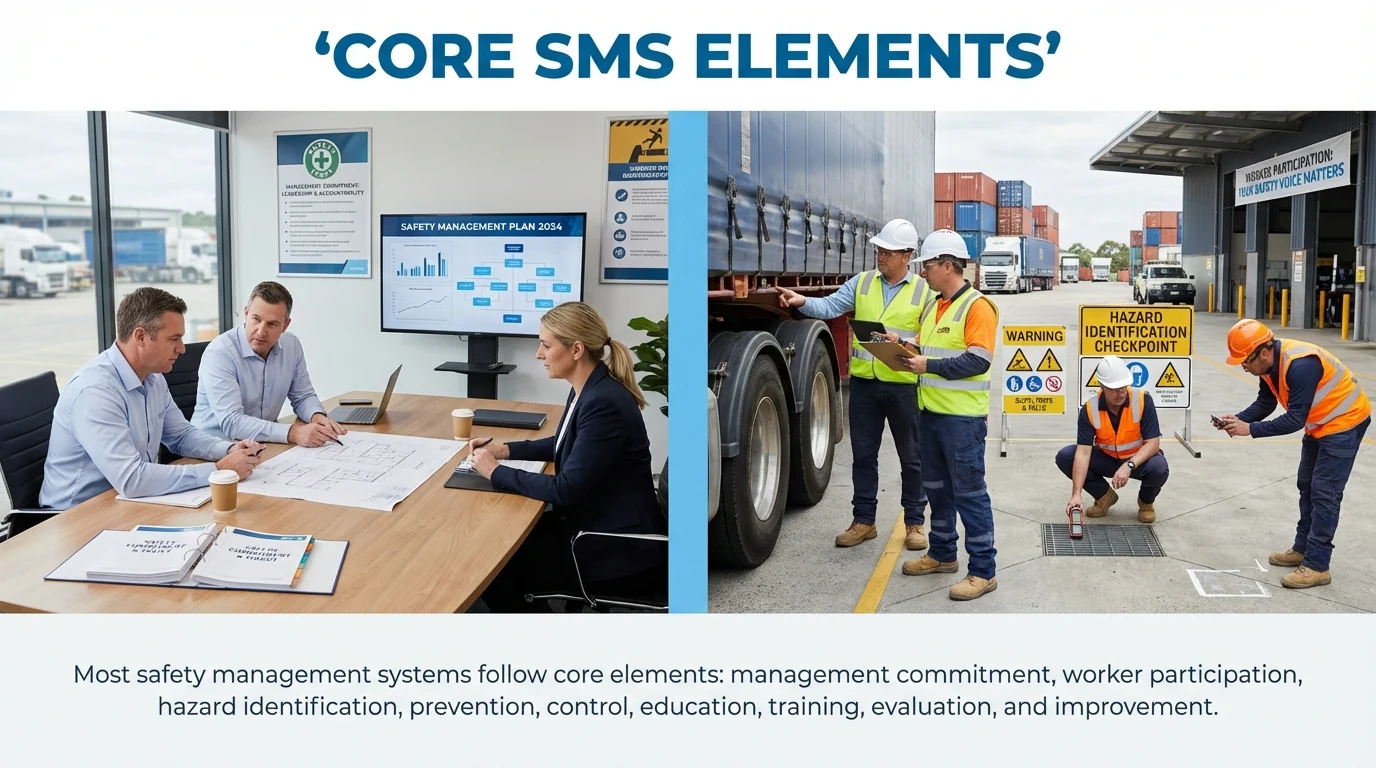
The framework can align with international standards such as ISO 45001 or regional requirements like OSHA guidelines in the United States. Organizations often customize their SMS to address industry-specific risks while maintaining these fundamental principles.
Understanding these foundational elements helps explain why safety management systems deliver such substantial benefits across different organizational contexts.
1. Reduces Workplace Accidents and Injuries
The most immediate benefit of a safety management system is fewer workplace accidents and injuries. An effective safety management system instills a strong safety culture that reduces accidents for workers through systematic hazard identification and control measures.
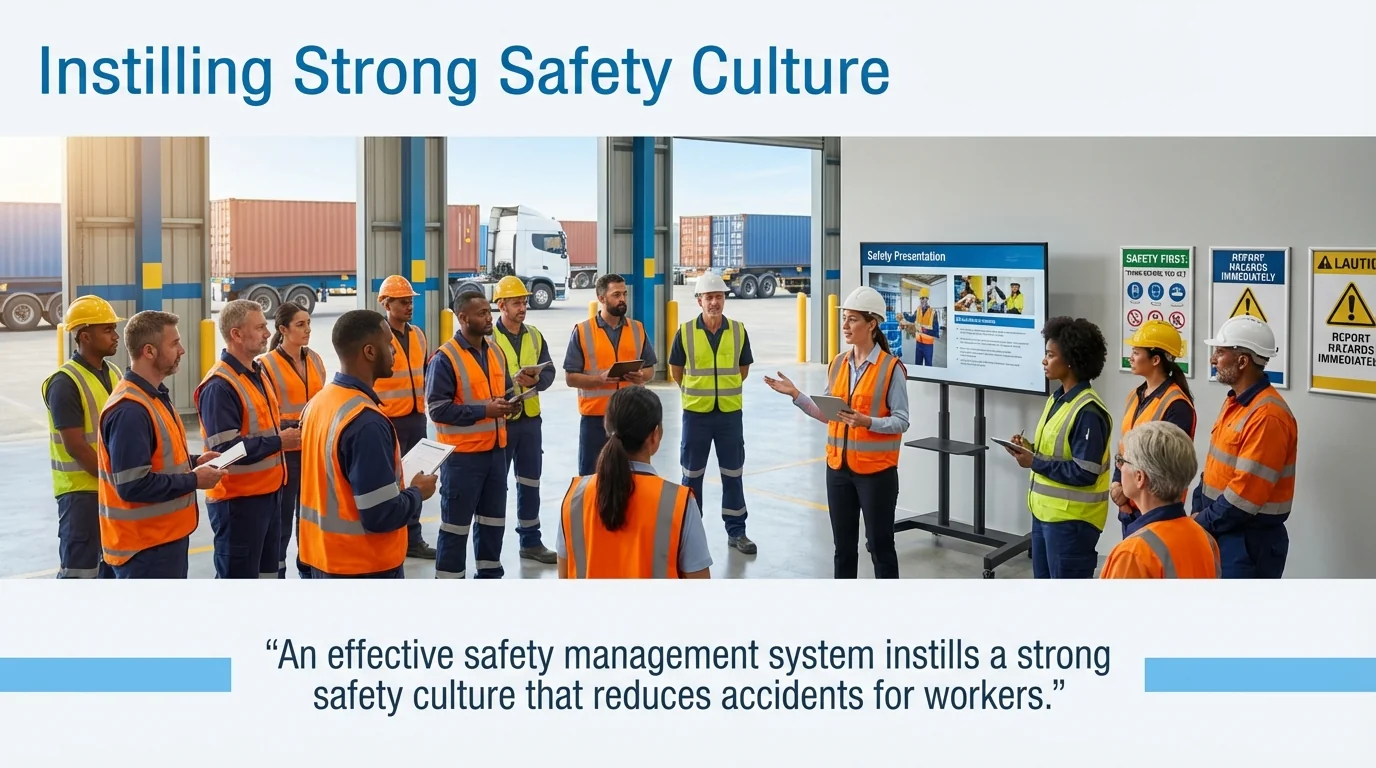
When organizations implement structured processes for identifying hazards, they catch potential problems early. Regular workplace inspections, job hazard analyses, and employee reporting systems reveal risks that might otherwise go unnoticed until someone gets hurt.
Proactive Hazard Management
Risk management begins with understanding where dangers exist. A safety management system requires regular assessments that examine equipment, processes, and work environments for potential hazards.
This proactive approach contrasts sharply with reactive methods that only respond after incidents occur. Organizations using SMS frameworks identify problems during planning stages rather than discovering them through workplace accidents.
The systematic nature of hazard identification ensures consistency. Every work area receives regular attention. New processes undergo safety reviews before implementation. Changes to equipment or procedures trigger fresh risk assessments.
Measurable Reduction in Incidents
Organizations track leading and lagging indicators to measure safety performance. Leading indicators include near-miss reports, safety training completion rates, and hazard correction timelines. Lagging indicators measure actual injuries and illnesses.
When both indicator types show improvement, organizations can attribute these gains to their safety management system rather than luck. The data demonstrates how systematic approaches to workplace safety produce tangible results.
Fewer injuries mean fewer disruptions to operations. Teams maintain productivity when workers stay healthy and present. The absence of accident investigations and incident response activities allows management to focus on core business objectives.
2. Ensures Compliance with Safety Regulations
Following local and international laws for health, safety, and environment helps prevent personal and company financial losses through systematic compliance management built into SMS frameworks.

Safety regulations exist in every jurisdiction where organizations operate. Understanding and meeting these requirements without a systematic approach becomes increasingly difficult as operations grow or expand into new locations.
Structured Compliance Framework
A safety management system maps regulatory requirements to specific policies, procedures, and controls. This documentation demonstrates how the organization meets each applicable regulation.
When inspectors visit or auditors review compliance status, organizations with robust SMS frameworks can quickly demonstrate adherence to regulations. The systematic documentation creates clear audit trails showing what controls exist and how they function.
Compliance extends beyond avoiding penalties. Meeting ISO 45001 certification requirements demonstrates commitment to international occupational health and safety standards. This certification can open doors to new business opportunities with clients who require verified safety management practices.
Keeping Current with Changing Requirements
Regulations evolve as new research emerges and workplace hazards change. A safety management system includes processes for monitoring regulatory developments and updating procedures accordingly.
Organizations designate responsibility for tracking regulation changes. When new requirements emerge, the SMS framework provides structured methods for evaluating impacts and implementing necessary adjustments.
This systematic approach prevents compliance gaps that occur when organizations rely on informal methods to stay current with OH&S requirements. The structured processes ensure nothing falls through the cracks.
3. Lowers Costs and Increases Financial Savings
Financial benefits from safety management systems come from multiple sources. Direct cost reductions include lower workers’ compensation premiums, reduced medical expenses, and decreased property damage.
Indirect savings often exceed direct costs. When workplace accidents decrease, organizations avoid productivity losses from injured worker absences. They eliminate costs associated with training replacement workers. They prevent overtime expenses that occur when teams must cover for injured colleagues.
Insurance Premium Reductions
Insurance carriers recognize the value of systematic safety management. Organizations with mature SMS frameworks often qualify for lower workers’ compensation premiums based on their safety performance records.
The Experience Modification Rate (EMR) directly affects insurance costs. Companies with fewer claims achieve lower EMRs, which translate to reduced premium payments. Over time, these savings become substantial.
Some insurers offer additional discounts when organizations achieve ISO 45001 certification or implement specific safety management practices. The upfront investment in SMS development pays dividends through ongoing premium reductions.
Avoiding Incident-Related Expenses
Workplace accidents trigger cascading expenses beyond immediate medical treatment. Organizations must investigate incidents, implement corrective actions, and often face regulatory inspections following serious injuries and illnesses.
| Cost Category | Direct Impact | Preventable Through SMS |
|---|---|---|
| Medical Treatment | Immediate care expenses | Yes – through hazard elimination |
| Lost Productivity | Absent worker output loss | Yes – through injury prevention |
| Investigation Time | Management hours spent on incident review | Yes – through proactive risk management |
| Equipment Damage | Repair or replacement costs | Yes – through proper safety controls |
| Regulatory Fines | Penalties for violations | Yes – through systematic compliance |
Each prevented incident avoids these expenses entirely. The cumulative financial impact over time justifies SMS implementation costs many times over.
4. Improves Employee Engagement and Morale
Workers notice when organizations prioritize their safety and wellbeing. A safety management system demonstrates management commitment through actions rather than words alone.
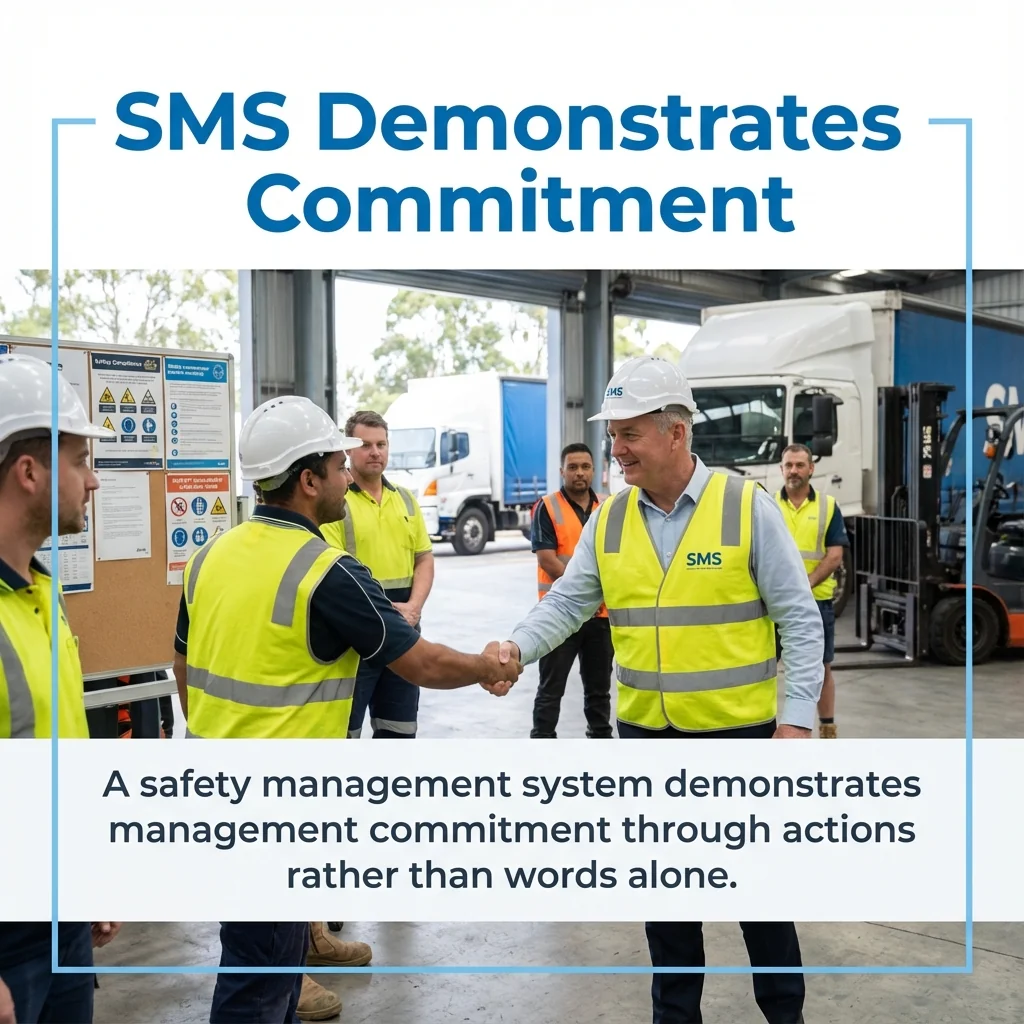
Employee engagement increases when workers participate in hazard identification and safety improvement processes. Their frontline knowledge contributes valuable insights that management might otherwise miss.
Building Trust Through Safety Culture
A workplace safety culture emerges when organizations consistently demonstrate that worker wellbeing matters. Safety management systems formalize this commitment through policies, resources, and management accountability.
Workers become more willing to report hazards and near-misses when they trust that management will respond constructively. This open communication prevents small problems from becoming serious incidents.
The relationship between safety culture and employee morale creates positive reinforcement. As safety improves, morale increases. Higher morale leads to greater participation in safety initiatives, which further improves workplace safety conditions.
Employee Training and Development
Safety management systems include structured training programs that develop worker capabilities. Employees gain knowledge and skills that protect them at work and often in their personal lives.
Organizations that invest in employee training and safety awareness demonstrate respect for their workforce. Workers recognize when employers provide resources for their development and protection.
This investment builds loyalty. Employees prefer working for organizations that prioritize their wellbeing over companies that treat safety as an afterthought or compliance burden.
5. Enhances Company Reputation and Brand Image
Organizations known for strong safety performance gain competitive advantages in multiple ways. Clients increasingly require evidence of systematic safety management before awarding contracts.
A robust safety management system becomes a differentiator when competing for business. Organizations can demonstrate their commitment through ISO 45001 certification or other recognized safety credentials.
Attracting Quality Talent
Job seekers research potential employers before applying. Organizations with strong safety reputations attract higher-quality candidates who value working in safe environments.
The ability to recruit skilled workers provides competitive advantages in tight labor markets. Safety performance becomes part of the employer brand that influences candidate decisions.
Current employees become advocates when they feel proud of their organization’s safety commitment. Word-of-mouth recommendations from satisfied workers carry significant weight with prospective employees.
Customer and Stakeholder Confidence
Customers want assurance that their supply chain partners operate responsibly. A documented safety management system provides this confidence through transparent processes and measurable results.
Stakeholders including investors, community members, and regulatory agencies view organizations with mature SMS frameworks more favorably. The systematic approach demonstrates professional management and operational maturity.
Enhanced company reputation creates opportunities that extend beyond immediate business transactions. Organizations become preferred partners for collaborative projects and long-term relationships.
6. Increases Productivity and Operational Efficiency
The connection between workplace safety and productivity becomes clear when examining how incidents disrupt operations. Organizations with effective safety management systems experience fewer disruptions and maintain consistent operational performance.
Safe work environments allow employees to focus on their tasks without distraction or concern. When workers trust that proper controls protect them, they perform more efficiently and with better quality outcomes.
Reducing Downtime and Disruptions
Workplace accidents force production stops while organizations investigate incidents, implement corrective actions, and address equipment damage. These disruptions ripple through supply chains and delivery schedules.
A safety management system prevents incidents that would otherwise halt operations. The proactive approach identifies and corrects hazards during planned maintenance rather than discovering them through accidents.
Consistent operations enable better planning and resource allocation. Management can focus on optimization rather than constantly responding to safety-related crises.
Systematic Approach to Process Improvement
Integrating safety and health into core business practices such as purchases, contracts, design, and development processes creates opportunities for continuous improvement that benefit both safety and efficiency.
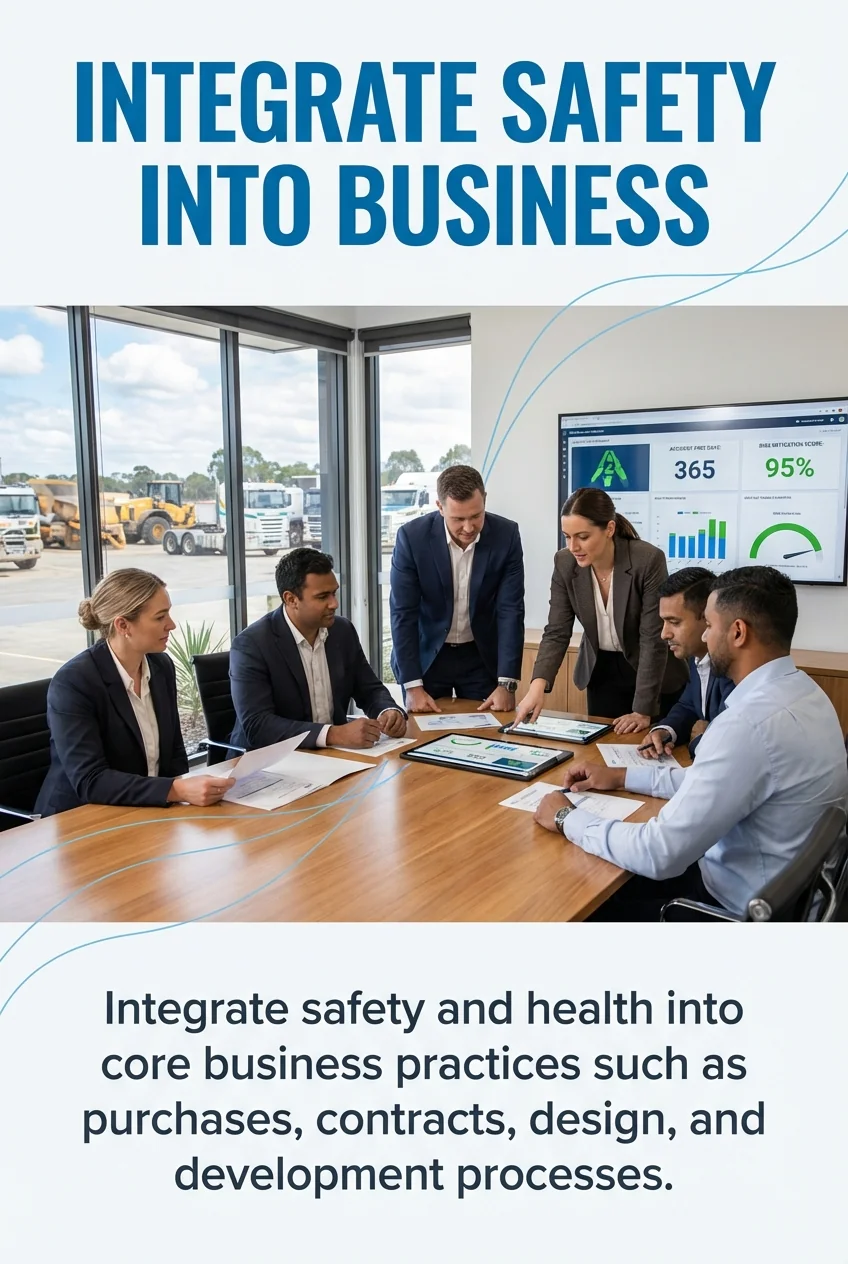
Organizations using systematic approaches to safety management often discover process improvements that enhance productivity alongside safety outcomes. The structured analysis reveals inefficiencies that increase both risk and cost.
This dual benefit demonstrates how safety management systems support business objectives rather than competing with them. The framework aligns safety goals with operational excellence.
7. Enables Proactive Risk Management
The shift from reactive to proactive approaches represents one of the most significant benefits of safety management systems. Instead of responding to incidents after they occur, organizations anticipate and prevent problems.
Proactive risk management requires systematic processes for identifying potential hazards, assessing their severity and likelihood, and implementing controls before incidents happen. This forward-looking approach characterizes mature safety management systems.
Hazard Identification Processes
Effective hazard identification combines multiple methods to ensure comprehensive coverage. Regular workplace inspections examine physical conditions. Job hazard analyses break down tasks to identify risks at each step. Employee reporting systems capture observations from workers closest to the hazards.
These complementary approaches create multiple opportunities to identify risks. When one method misses a hazard, another catches it before an incident occurs.
The systematic nature ensures consistency across different work areas and over time. Organizations avoid gaps that emerge when hazard identification relies on informal or sporadic efforts.
Risk Assessment and Control
Once identified, hazards undergo formal risk assessment. Organizations evaluate both the potential severity of harm and the likelihood of occurrence. This assessment informs control priorities and resource allocation.
The hierarchy of controls guides decision-making. Elimination removes hazards entirely when possible. Substitution replaces dangerous materials or processes with safer alternatives. Engineering controls implement physical safeguards. Administrative controls establish safe work procedures. Personal protective equipment provides the last line of defense.
This structured approach ensures that organizations implement the most effective controls rather than defaulting to less reliable methods. The systematic framework elevates safety performance beyond what informal efforts achieve.
Continuous Improvement Culture
Safety management systems include regular evaluation and improvement processes. Organizations review performance data, audit compliance with procedures, and identify opportunities for enhancement.
This continuous improvement culture prevents complacency. Organizations maintain focus on safety even during periods of strong performance. The structured evaluation reveals emerging risks and changing conditions that require attention.
Worker participation in continuous improvement processes strengthens both safety outcomes and employee engagement. Frontline employees contribute insights that drive meaningful improvements in workplace safety conditions.
Quick Answers to Common Questions
What are the benefits of safety management systems?
Safety management systems help organizations proactively identify and control workplace hazards, reduce accidents, ensure legal compliance, and improve employee morale. The structured framework lowers incident rates, protects workers, reduces costs, and fosters a culture of safety and accountability throughout the organization.
What is the purpose of the safety management system?
The primary purpose is to systematically identify, assess, and control workplace hazards to prevent accidents and injuries. An SMS establishes clear processes for risk management, compliance, and ongoing improvements in safety performance through structured frameworks.
What are the benefits of ISO 45001 safety management systems?
ISO 45001 provides a globally recognized framework for occupational health and safety management, helping organizations reduce workplace injuries, improve legal compliance, and enhance employee wellbeing. Certification demonstrates a commitment to safety to stakeholders and can create competitive advantages.
Moving Forward with Safety Management
The benefits of implementing a safety management system extend far beyond regulatory compliance. Organizations gain financial advantages, operational improvements, and competitive differentiation through systematic approaches to workplace safety.
Start by assessing your current safety management practices. Identify gaps between your existing processes and the structured framework an SMS provides. Consider which benefits matter most to your organization and stakeholders.
Successful implementation requires commitment from leadership and participation from workers at all levels. The investment in developing a robust safety management system pays returns through reduced incidents, lower costs, and improved organizational performance.
Organizations seeking guidance on implementing safety management systems can benefit from specialized expertise that bridges regulatory requirements and practical business operations. Learn more about implementing a safety management system or explore effective safety management system examples to see how different organizations approach these frameworks.
The journey toward mature safety management takes time and sustained effort. Each step forward reduces risks, protects workers, and strengthens your organization’s operational foundation.