
Implementing effective Contracting Officer’s Representative training requires understanding the three-tiered FAC-COR certification program administered by the Federal Acquisition Institute (FAI). The Federal Acquisition Certification for Contracting Officer’s Representatives (FAC-COR) program establishes government-wide standards for COR competencies, training requirements, and experience benchmarks that shape successful certification outcomes.
The certification framework maps to contract risk and complexity levels. Level I certification addresses simple acquisitions, Level II handles moderate complexity contracts, and Level III prepares representatives for complex, high-dollar procurements.
Each certification level demands specific training hours, documented experience, and continuous learning activities. Most importantly, the FAC-COR certification requirements integrate with the entire acquisition lifecycle, ensuring CORs maintain technical oversight competence throughout contract performance periods.
This guide walks you through the structured approach to implementing COR training programs that meet federal standards.
Understanding the COR Role and Its Importance
A Contracting Officer’s Representative (COR) is a non-contracting official designated in writing and authorized by a Contracting Officer to perform technical and administrative functions related to contract monitoring and administration, within limits specified in their designation.
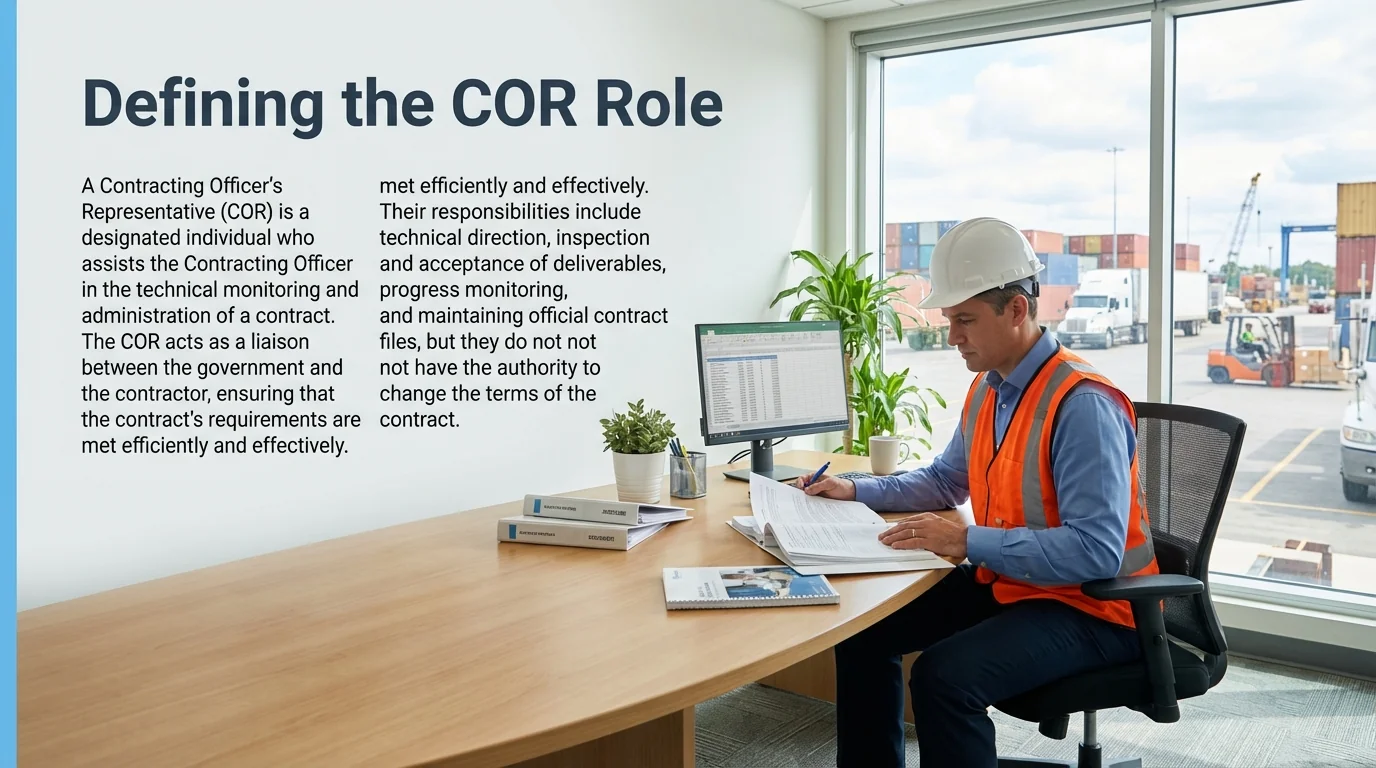
CORs serve as the government’s eyes and ears during contract execution. They monitor contractor performance against technical requirements, verify deliverable quality, and process invoices for payment approval.
The role demands continuous communication with the Contracting Officer. CORs report performance issues, recommend contract modifications, and maintain documentation that supports contract administration decisions.
Inadequate oversight by CORs is widely recognized in audits and guidance as a contributor to performance problems, cost growth, and increased risk of fraud, waste, and abuse. Proper training directly addresses these institutional vulnerabilities.
CORs also coordinate with other technical monitors on complex acquisitions. Contracting Officers may appoint additional support roles, but the COR maintains primary responsibility for technical oversight and performance reporting.
FAC-COR Certification Levels and Requirements Overview
The FAC-COR certification program structures requirements across three distinct levels. Each level corresponds to specific contract complexity thresholds and demands progressively more training and experience.
Level I Certification Requirements
Level I certification prepares representatives for simple, low-risk acquisitions. These contracts typically involve straightforward commercial products or services with clear performance standards.
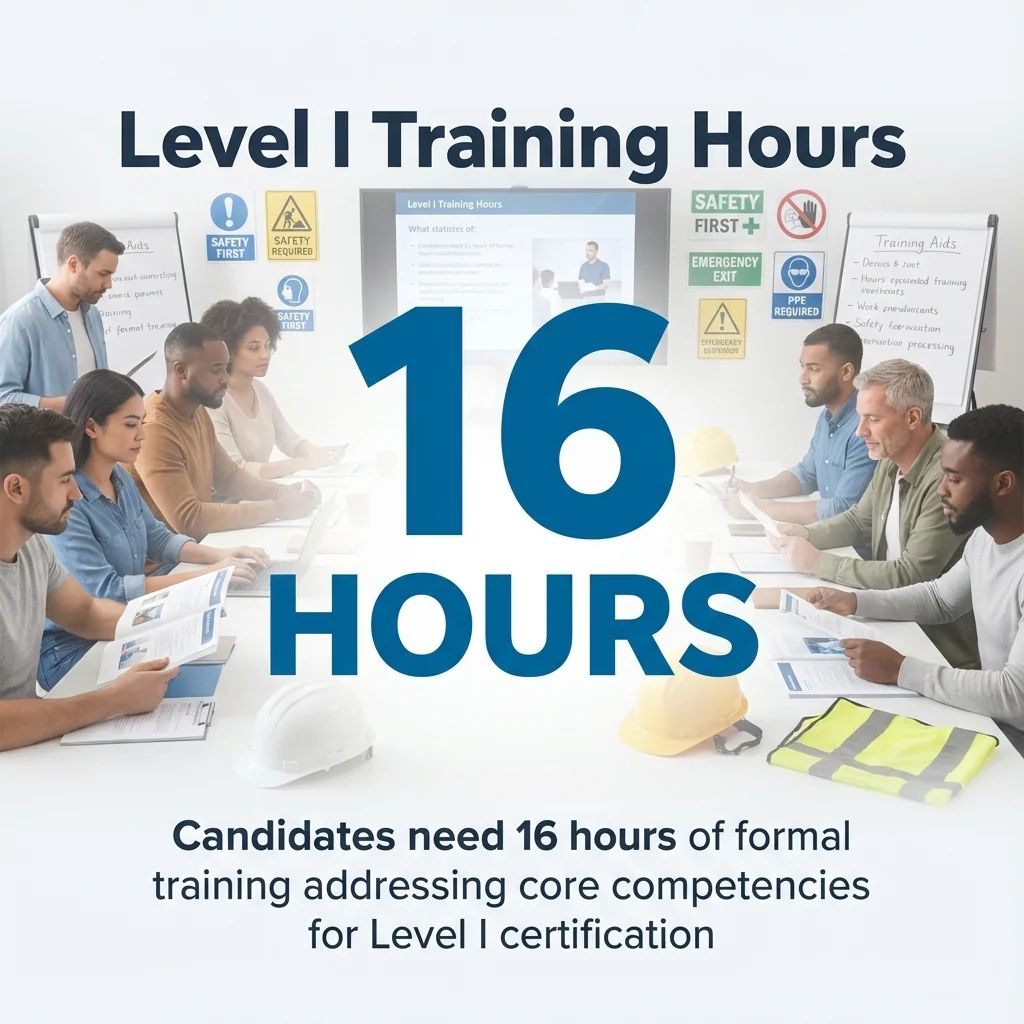
Training requirements for Level I include foundational acquisition courses covering contract basics, COR responsibilities, and fundamental oversight techniques. Candidates need 16 hours of formal training addressing core competencies.
Experience requirements mandate documented involvement in contract administration activities. New CORs complete supervised duties before receiving full designation authority.
Level II Certification Requirements
Level II certification addresses moderate complexity contracts with higher dollar values. These contracts involve more technical specifications, performance-based elements, and quality assurance challenges.
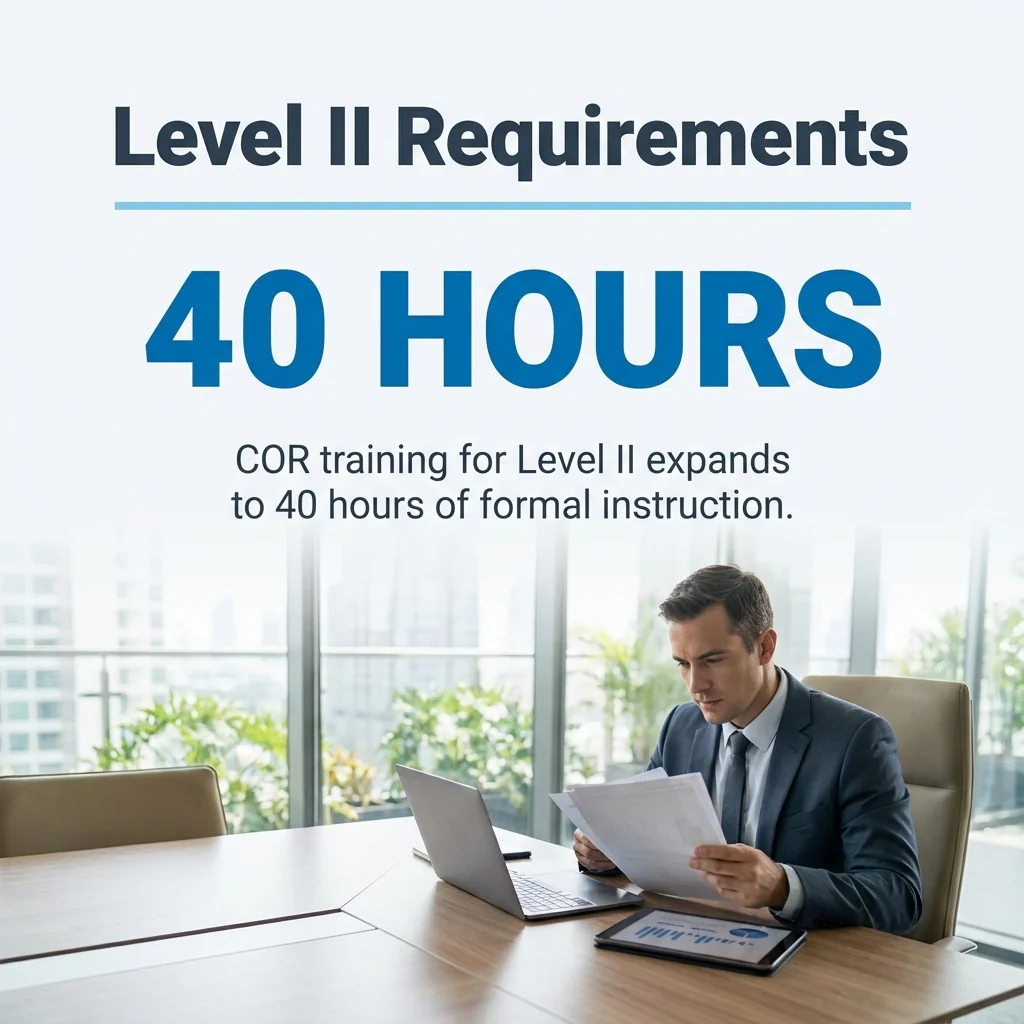
COR training for Level II expands to 40 hours of formal instruction. Courses cover advanced contract types, cost analysis, performance management, and regulatory compliance frameworks.
Experience requirements increase substantially. Candidates must demonstrate successful completion of multiple contract oversight assignments before qualifying for Level II designation.
Level III Certification Requirements
Level III represents the highest certification level. This designation covers highly complex, large-dollar acquisitions involving significant technical challenges and integration requirements.
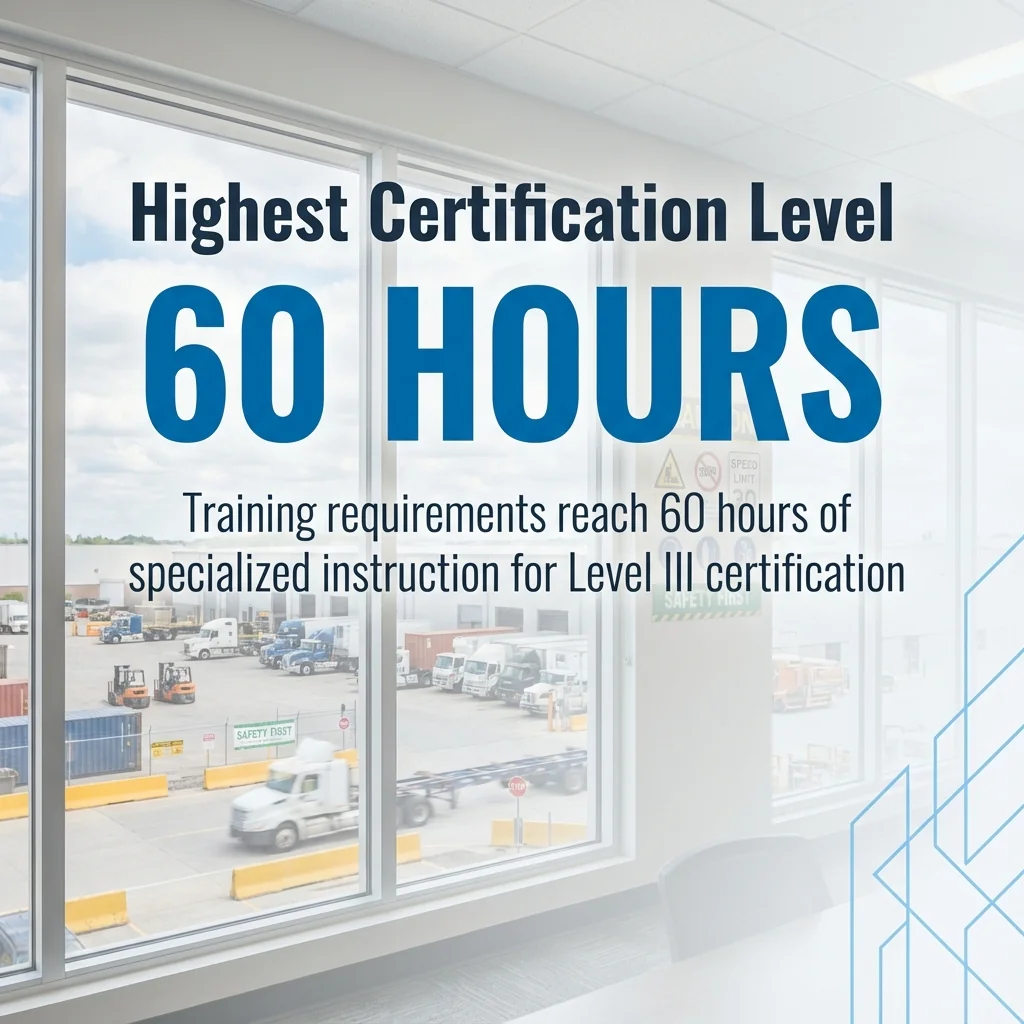
Training requirements reach 60 hours of specialized instruction. Advanced courses address complex contract structures, systems acquisition, major program oversight, and strategic risk management.
Experience requirements demand extensive documented performance. Candidates must show proven expertise managing high-value contracts with multiple performance objectives and stakeholder coordination.
| Certification Level | Contract Complexity | Training Hours | Experience Required |
|---|---|---|---|
| Level I | Simple, low-risk | 16 hours | Documented basic duties |
| Level II | Moderate complexity | 40 hours | Multiple contract assignments |
| Level III | Highly complex | 60 hours | Extensive high-value experience |
Step 1: Determine Your Required Certification Level
Selecting the appropriate certification level starts with analyzing your agency’s contract portfolio. Review the dollar thresholds, technical complexity, and risk profiles of contracts you’ll oversee.
Match contract characteristics to certification requirements. Simple commercial product acquisitions typically require Level I certification. Service contracts with performance-based metrics often need Level II capabilities.
Consult with your agency’s Contracting Officer to determine the appropriate level. The CO makes the final designation decision based on contract requirements and your qualifications.
Consider your career progression within the acquisition workforce. Higher certification levels open opportunities for more complex assignments and advancement within federal acquisition career paths.
Agency-Specific Requirements
Individual agencies may establish additional certification requirements beyond FAC-COR standards. Check your agency’s acquisition policies for supplemental training mandates or experience thresholds.
Some agencies require specialized training for unique contract types. Defense contracts may demand additional security training, while technology acquisitions might require cybersecurity awareness courses.
Document all agency-specific requirements before beginning your certification application. Missing supplemental requirements delays designation even when FAC-COR standards are met.
Step 2: Complete Mandatory Training Courses
GSA’s Agency COR Training summarizes COR responsibilities across the acquisition lifecycle, highlighting tasks such as monitoring performance, processing invoices, reporting on performance, and maintaining COR certification. These responsibilities form the foundation for mandatory training curricula.
Identify approved training providers for your certification level. The Federal Acquisition Institute maintains a list of accredited programs that meet FAC-COR training requirements.
Enroll in courses through your agency’s learning management system. Most agencies use the FAI CSOD platform for tracking acquisition workforce training completion and certification status.
Initial Training Requirements
Initial COR training covers fundamental contract administration principles. Courses address the acquisition lifecycle, roles and responsibilities, and basic oversight techniques.
Training modules include contract types, quality assurance methods, invoice review procedures, and documentation standards. Interactive exercises reinforce decision-making skills for common COR scenarios.
Graduate School USA’s federal acquisition curriculum emphasizes business, finance, budgeting, and financial communication skills so federal contract and COR professionals can collaborate effectively with budget and finance personnel. These financial competencies enhance invoice review accuracy and cost management oversight.
Complete all required courses within the timeframe specified by your agency. Most organizations expect training completion before submitting certification applications to avoid processing delays.
Specialized Course Requirements
Higher certification levels require specialized training beyond foundational courses. Level II candidates complete modules on performance-based contracting, cost analysis, and contract modification procedures.
Level III training addresses complex topics like systems engineering, integrated project teams, and major program oversight. These courses prepare CORs for high-stakes contracts requiring sophisticated technical judgment.
Track your training hours carefully. Maintain certificates of completion for all courses as documentation for your certification application and future audits.
Step 3: Meet Experience Requirements
Experience requirements validate practical competence beyond classroom training. Document your contract administration activities thoroughly using your agency’s tracking systems.
Work closely with your supervisor and assigned Contracting Officer during experience-building assignments. Request feedback on your performance and identify areas needing additional development.
Focus on demonstrating competencies across multiple contract phases. Effective CORs show capability in planning, execution monitoring, quality assurance, and contract closeout activities.
Documenting Your Experience
Maintain detailed records of your COR activities. Document contract numbers, dollar values, performance periods, and specific responsibilities you executed.
Record oversight activities including site visits, deliverable reviews, invoice approvals, and performance reports submitted. Quantify your contributions with specific examples and measurable outcomes.
Collect performance evaluations from Contracting Officers and supervisors. Written assessments strengthen certification applications by providing third-party validation of your competence.
Building Diverse Experience
Seek assignments across different contract types and complexity levels. Diverse experience prepares you for varied situations and demonstrates adaptability to certification reviewers.
Volunteer for challenging assignments that stretch your capabilities. Complex contracts provide learning opportunities that accelerate experience accumulation and skill development.
Consider lateral assignments to different program offices. Exposure to varied mission requirements and contracting approaches builds comprehensive COR competence.
Step 4: Submit Your Certification Application
Access the FAI CSOD system to begin your certification application. Navigate to the FAC-COR certification section and select the appropriate level based on your training and experience.
Upload all required documentation including training certificates, experience records, and supervisor endorsements. Ensure documents are current, legible, and meet specified format requirements.
Complete the application questionnaire accurately. Provide detailed responses for experience descriptions and competency self-assessments to support reviewer evaluation.
Application Review Process
Your agency’s acquisition career manager reviews submitted applications. Reviewers verify training completion, assess experience documentation, and confirm all requirements are satisfied.
The review process typically takes two to four weeks depending on application volume. Be prepared to provide additional documentation if reviewers identify gaps or need clarification.
Address any deficiencies promptly when identified. Quick responses to reviewer requests accelerate application processing and prevent unnecessary delays.
Approval and Certification Issuance
Once approved, you receive official FAC-COR certification documentation. Your certification is recorded in the FAI CSOD system and becomes part of your acquisition workforce personnel record.
Print and maintain copies of your certification documentation. You’ll need to reference certification details when seeking COR designation letters for specific contracts.
Step 5: Receive COR Designation and Appointment
FAC-COR certification qualifies you for COR designation, but certification alone doesn’t authorize you to perform COR duties. Each contract requires a separate designation letter from the responsible Contracting Officer.
The Contracting Officer issues a written designation letter specifying your authority limits, responsibilities, and reporting requirements for the specific contract. Review designation letters carefully before accepting assignment.
Designation letters define what actions you can take independently and which require Contracting Officer pre-approval. Understanding these boundaries prevents unauthorized commitments that could expose the government to legal liability.
Establishing Contracting Officer Relationships
Schedule an initial meeting with your assigned Contracting Officer after receiving designation. Discuss contract objectives, performance standards, communication preferences, and reporting expectations.
Clarify escalation procedures for issues requiring CO involvement. Establish clear protocols for performance problems, scope questions, and contractor requests for direction or modification.
Maintain regular communication with your CO throughout contract performance. Proactive updates build trust and ensure alignment on contract management decisions.
Beginning Contract Oversight
Conduct a thorough review of contract documents before starting oversight activities. Understand technical specifications, performance standards, deliverable schedules, and quality acceptance criteria.
Develop a monitoring plan that addresses key performance areas. Schedule regular contractor meetings, establish inspection protocols, and create documentation templates for consistent reporting.
Document all contractor interactions and performance observations. Contemporaneous records provide essential evidence for payment approvals, performance evaluations, and potential dispute resolution.
Step 6: Maintain Certification Through Continuous Learning
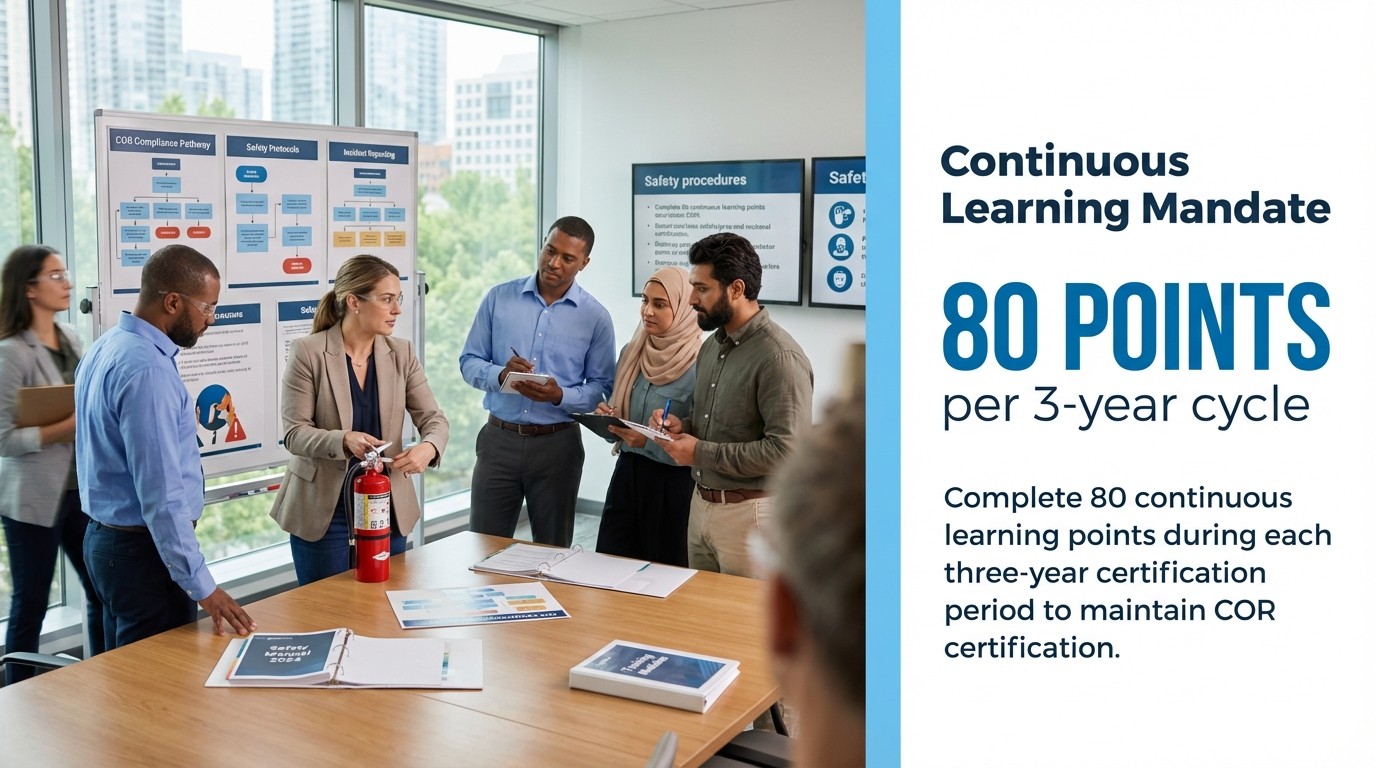
FAC-COR certification requires ongoing maintenance through continuous learning activities. Each certification level mandates specific continuous learning points earned within three-year certification periods.
Plan your continuous learning strategy early in each certification cycle. Identify courses, conferences, and activities that both satisfy requirements and enhance your professional capabilities.
Track continuous learning points in the FAI CSOD system as you complete activities. Regular tracking prevents last-minute scrambles to meet requirements before certification expiration.
Continuous Learning Options
Approved continuous learning activities include formal courses, webinars, professional conferences, and structured on-the-job training. Each activity type earns specific point values based on duration and content.
Take advantage of agency-sponsored training events. These often provide convenient continuous learning opportunities while building professional networks with other acquisition workforce members.
Consider pursuing advanced certifications or specialized credentials. Additional qualifications demonstrate commitment to professional development and prepare you for career advancement opportunities.
Recertification Requirements
Submit recertification applications before your current certification expires. Late submissions may require restarting the certification process from the beginning.
Document all continuous learning activities with certificates or completion records. Maintain organized files throughout the certification period to streamline recertification application preparation.
Review updated FAC-COR requirements periodically. Program standards evolve, and staying informed about changes ensures your professional development activities remain aligned with current expectations.
| Maintenance Activity | Frequency | Purpose |
|---|---|---|
| Continuous Learning Points | 80 points per 3-year cycle | Maintain current knowledge |
| Recertification Application | Every 3 years | Verify ongoing competence |
| Experience Documentation | Ongoing throughout assignments | Support career progression |
Quick Answers to Common Questions
How do I maintain COR certification? Complete 80 continuous learning points during each three-year certification period. Points come from approved courses, webinars, conferences, and professional development activities tracked in the FAI CSOD system.
What’s the difference between certification and designation? FAC-COR certification demonstrates you meet government-wide competency standards. Designation is a contract-specific appointment issued by a Contracting Officer authorizing you to perform COR duties for a particular contract.
Can I perform COR duties while my application is pending? No. You must hold current FAC-COR certification and receive a written designation letter from the Contracting Officer before performing any COR responsibilities.
Moving Forward With Your COR Training Implementation
Implementing effective COR training starts with understanding the structured pathway from initial certification through ongoing professional development. The FAC-COR program provides clear benchmarks at each level.
Begin by assessing which certification level aligns with your agency’s contract portfolio and your career objectives. Complete required training through approved providers and document your experience systematically.
Submit your application when all requirements are satisfied. After certification, seek designation opportunities that build diverse experience across contract types and complexity levels.
Remember that certification maintenance requires consistent attention to continuous learning. Plan your professional development activities strategically to both satisfy requirements and enhance your contract oversight capabilities.
For more information on foundational compliance concepts, review understanding COR compliance for beginners. To address implementation obstacles, explore overcoming common COR training challenges. For practical frameworks, consult effective training strategies for COR compliance.
Your investment in proper COR training protects government interests, ensures contractor accountability, and advances your acquisition workforce career.