
Transport safety isn’t about checking boxes. It’s about building systems that protect people and prove that safety drives better business outcomes.
Proper safety frameworks reduce incidents, lower insurance costs, and streamline operations. Organizations that prioritize safety achieve significant insurance cost savings while maintaining regulatory compliance under frameworks like Australia’s Heavy Vehicle National Law.
This guide provides evidence-based best practices spanning driver behavior, vehicle maintenance, vulnerable road user protection, and organizational safety culture. We’ll cover what works in real-world transport operations across freight, passenger services, and supply chain contexts.
The practices outlined here align with international Safe System approaches. They’re designed for implementation by transport operators, safety managers, and supply chain professionals responsible for reducing crash risk and serious injuries.
You’ll learn specific actions to address the leading causes of traffic safety incidents: distracted driving, speed management, impaired operation, and inadequate restraint systems. Each section builds toward a complete road safety framework.
Building a Zero-Harm Safety Vision and Leadership Commitment
Effective transportation safety starts with organizational commitment to zero fatalities and serious injuries. This isn’t aspirational language. It’s a measurable goal that shapes every safety decision.
Set clear safety goals tied to crash data, not just compliance requirements. Analyze your historical incident patterns, identify high-risk routes or operations, and establish reduction targets with specific timelines.
Leadership must demonstrate visible safety commitment through resource allocation and accountability structures. Safety can’t be delegated to a single department while operations prioritize speed over safe practices.
Implement regular safety performance reviews that examine both lagging indicators (crashes, injuries) and leading indicators (near-misses, hazard reports, training completion). This dual focus identifies problems before they cause harm.
Establish a safety culture where workers report concerns without fear of punishment. A comprehensive safety management system creates the frameworks needed to capture and act on these reports.
Best practices include:
- Monthly safety committee meetings with cross-functional representation
- Dedicated safety budget separate from operational funds
- Executive-level safety accountability with performance metrics
- Regular communication of safety performance to all staff
- Recognition programs for safety improvements and hazard reporting
Your safety vision should connect to the Safe System Approach, which recognizes that humans make mistakes and designs road systems, vehicles, and speeds to minimize harm when crashes occur. This framework shifts focus from blame to system design.
Essential Driver Safety Practices: Seat Belts and Restraint Systems
Seat belt usage remains the single most effective way to prevent fatalities and serious injuries in motor vehicle crashes. Yet compliance gaps persist across commercial and private transport operations.
Mandate 100% seat belt usage for all vehicle occupants, regardless of trip length or vehicle type. Short trips within facilities or slow-speed operations don’t exempt drivers from restraint requirements.
For commercial vehicles, conduct pre-operation checks that include seat belt inspection. Look for fraying, improper retraction, and secure mounting points. Replace compromised belts immediately.
Proper restraint systems differ by vehicle type and passenger age. Child passenger safety requires age-appropriate car seats installed according to manufacturer specifications. Many serious injuries result from incorrect installation or premature graduation to adult seat belts.
Train drivers on proper seat belt positioning. The lap belt should sit low across the hips, not the stomach. The shoulder belt should cross the chest and shoulder, not the neck or face.
| Restraint Type | Use Case | Safety Benefit |
|---|---|---|
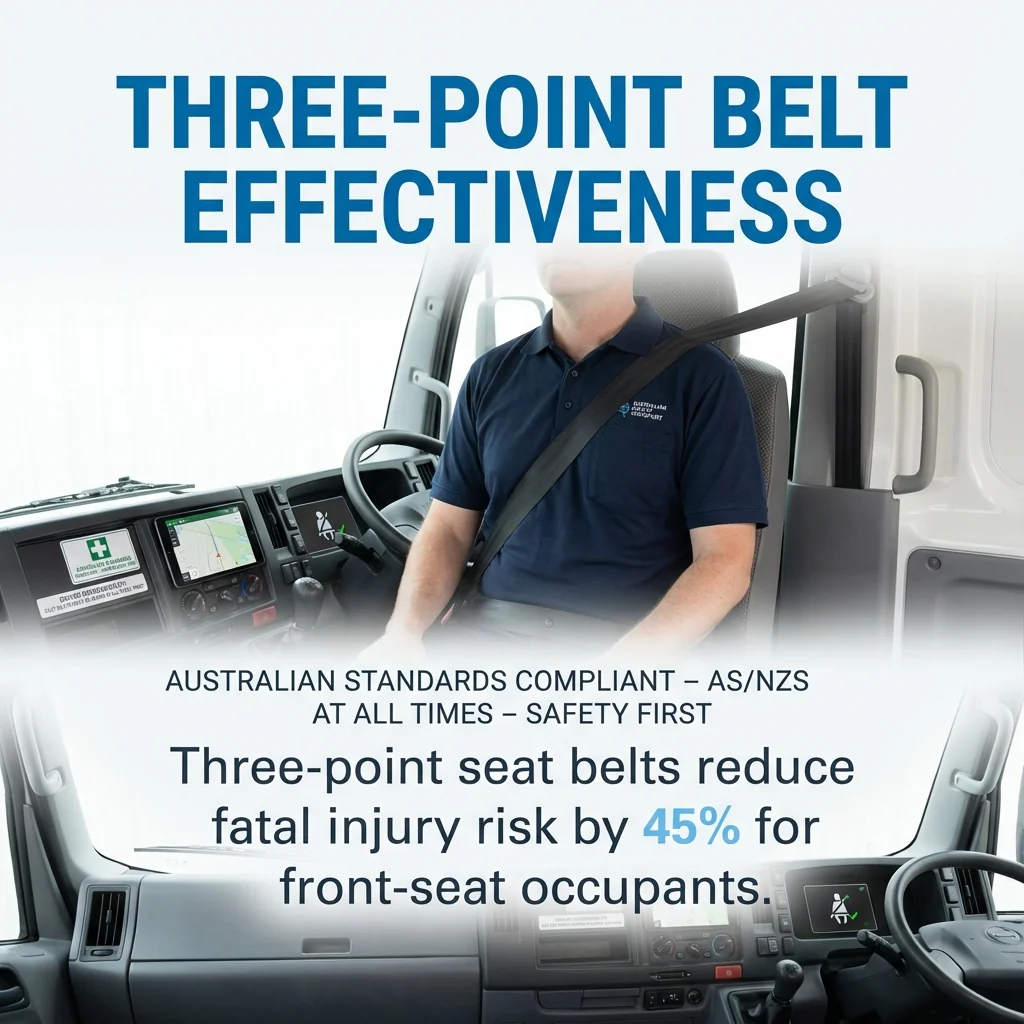
| Three-point seat belt | Standard passenger vehicles | Reduces fatal injury risk by 45% for front-seat occupants |
| Child safety seat | Infants and toddlers | Proper installation critical for effectiveness |
| Booster seat | Children 4-8 years | Positions adult belt correctly on smaller bodies |
| Commercial harness systems | Heavy vehicles with unique seating | Must meet specific regulatory standards |
Monitor seat belt compliance through telematics systems that alert when drivers operate vehicles without fastened restraints. Some modern fleets use in-cab technology that prevents vehicle operation until belts are secured.
Address non-compliance immediately with coaching focused on safety outcomes, not punishment. Understand barriers to compliance, such as uncomfortable belts or clothing interference, and solve the underlying problem.
Eliminating Distracted Driving: Focus on the Road
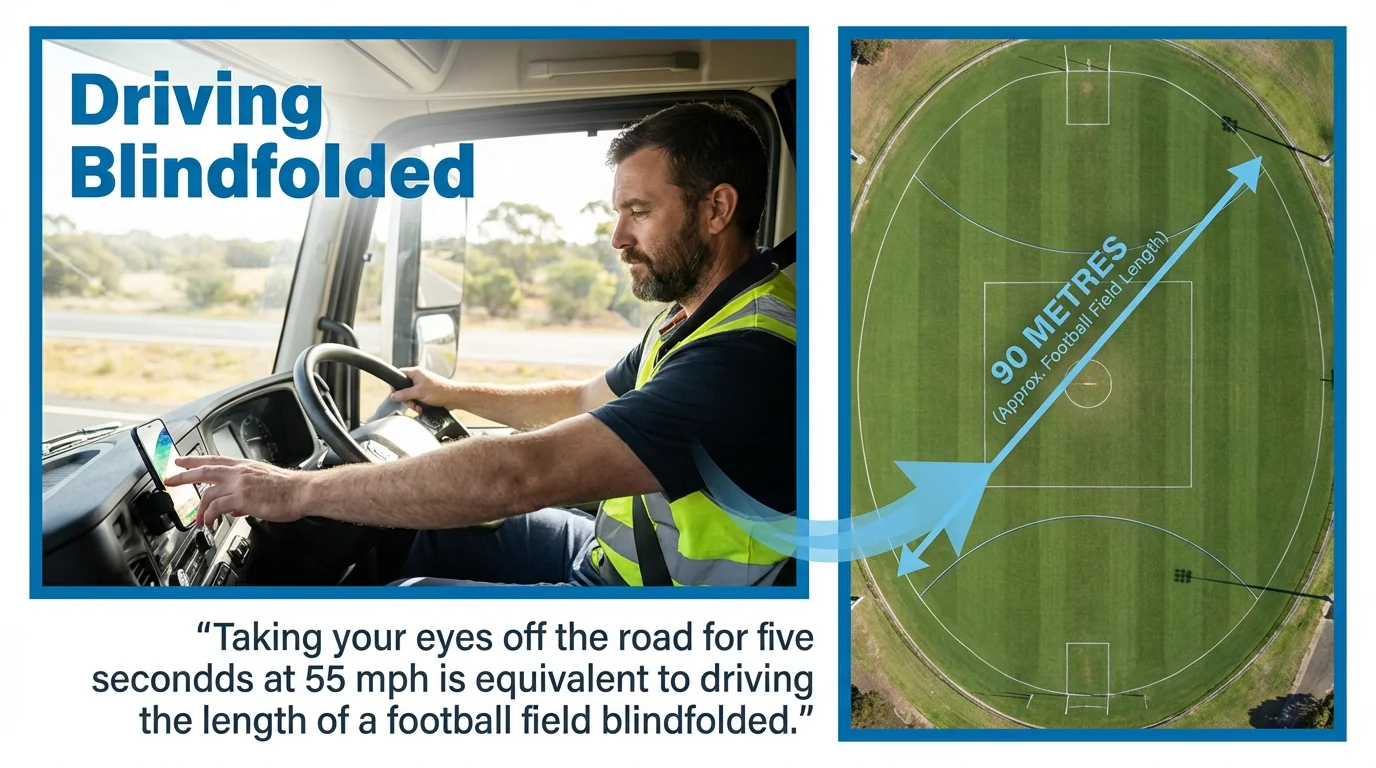
Distracted driving causes preventable crashes across all transport modes. Taking your eyes off the road for five seconds at 55 mph is equivalent to driving the length of a football field blindfolded.
Implement strict mobile device policies that prohibit handheld phone use while operating any vehicle. This includes hands-free conversations during high-risk driving situations like adverse weather or heavy traffic.
Manual, visual, and cognitive distractions all impair safe driving. Eating, adjusting controls, reading displays, and conversations with passengers demand attention that should focus on road conditions.
For commercial operations, install hands-free communication systems that minimize distraction. Route optimization software should provide turn-by-turn audio guidance rather than requiring drivers to read screens.
Train drivers on distracted driving prevention:
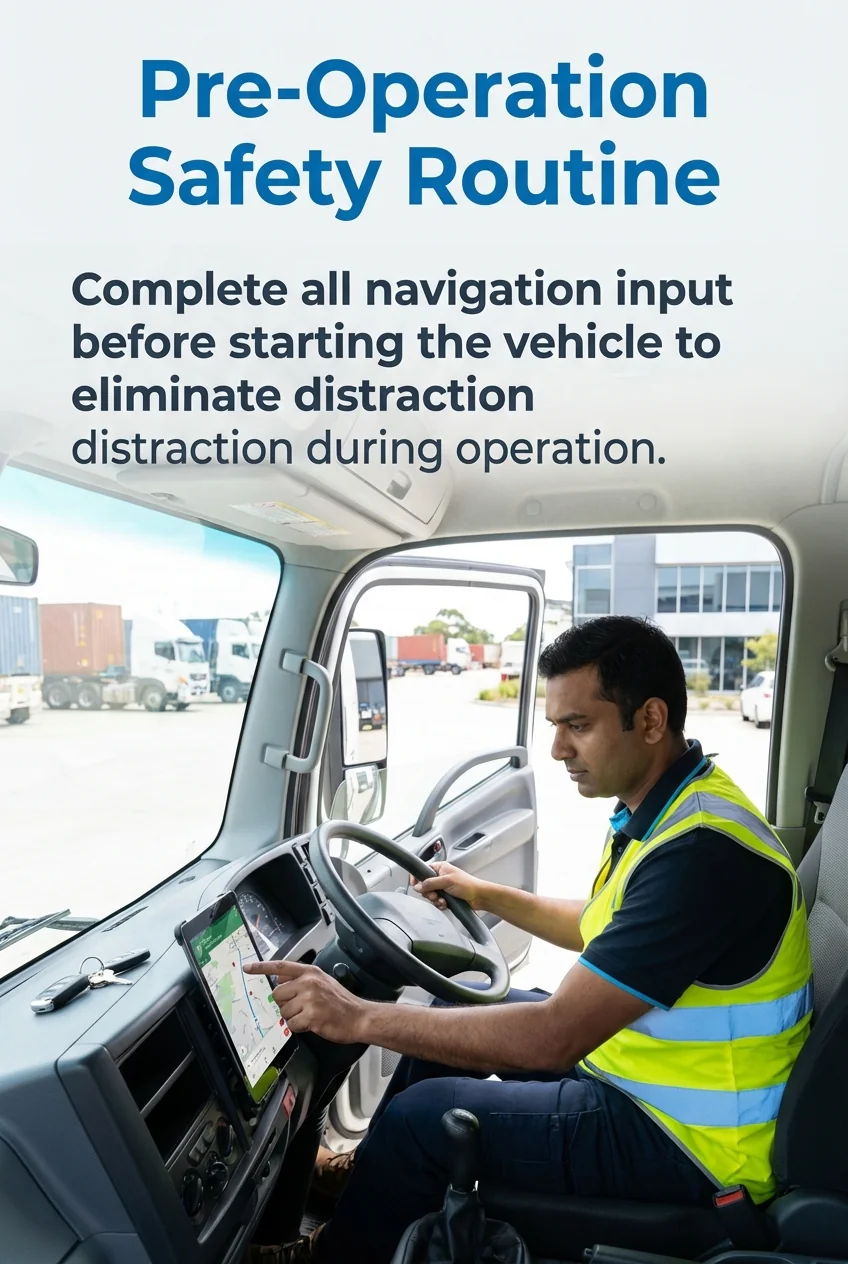
- Complete all navigation input before starting the vehicle
- Pre-set climate controls, mirrors, and seat positions
- Pull over safely to handle phone calls or texts
- Avoid eating or drinking while the vehicle is moving
- Use voice commands for essential in-vehicle technology
Driver-facing cameras provide objective data on distraction events. Review footage to identify patterns and provide targeted coaching rather than relying on post-crash investigations.
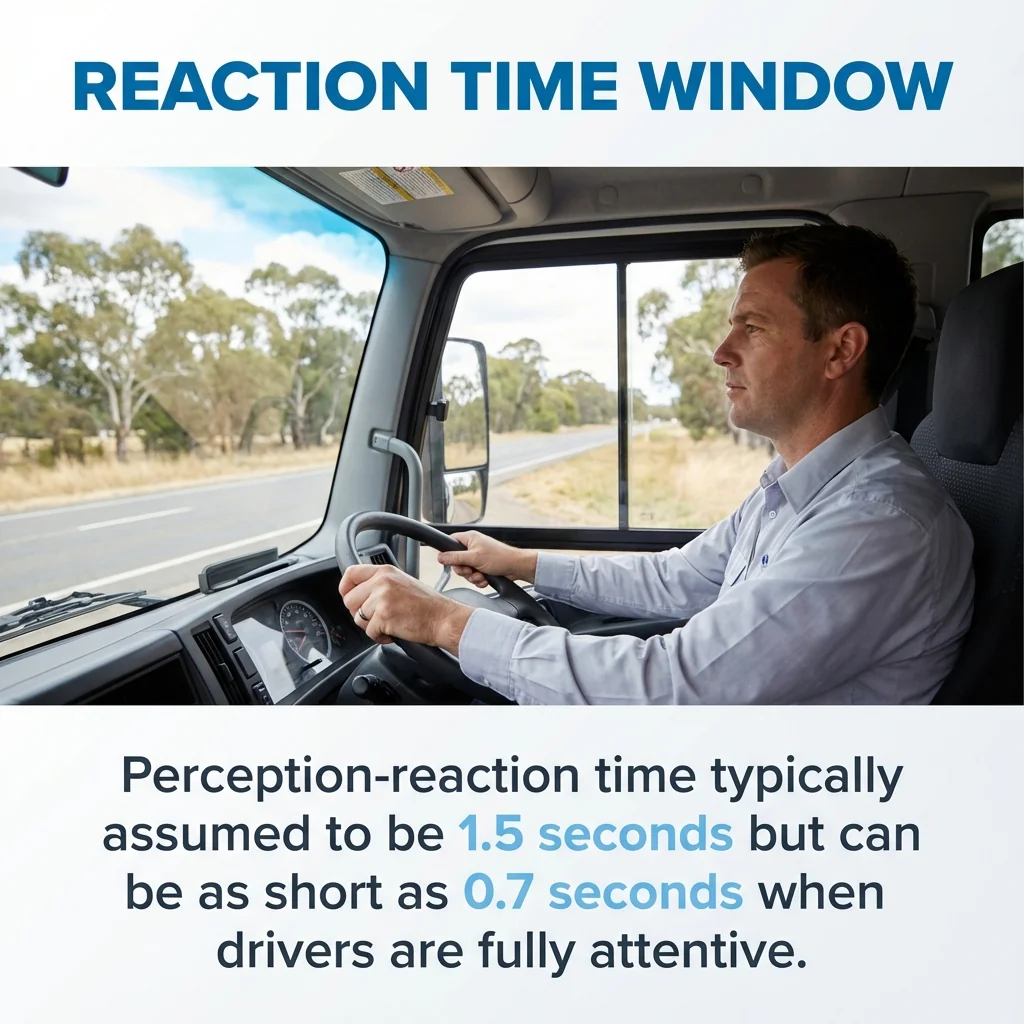
Technology solutions help but aren’t sufficient alone. Build a safety culture where drivers understand how distraction impairs their ability to react. Perception-reaction time typically assumed to be 1.5 seconds but can be as short as 0.7 seconds when drivers are fully attentive.
Even small distractions multiply crash risk by reducing the time available to identify and respond to hazards.
Speed Management: Driving at Safe Speeds for Conditions
Speed management extends beyond speed limit compliance to driving at speeds appropriate for current road conditions, traffic density, visibility, and vehicle characteristics.
Posted speed limits establish maximum speeds under ideal conditions. Rain, fog, darkness, construction zones, and heavy traffic require reduced speeds to maintain safe stopping distances.
Understand stopping distance components: perception time, reaction time, and braking distance. All three increase with speed. At higher speeds, the increased kinetic energy makes crashes more severe.
For heavy vehicles, weight dramatically affects stopping distance. Loaded trucks require significantly more distance to stop than passenger vehicles, particularly on downhill grades or slippery surfaces.
Implement speed management programs that include:
- Vehicle speed limiters set below maximum legal limits
- Telematics monitoring of speed violations and harsh braking events
- Route planning that accounts for realistic travel times without excessive speeding
- Progressive discipline for speed violations that endangers others
- Coaching on maintaining safe following distances
Safe speeds for different conditions require driver judgment. Train operators to reduce speed proactively when conditions deteriorate rather than maintaining posted limits until visibility or traction is lost.
Address schedule pressure that encourages speeding. If routes are planned with insufficient time, drivers face impossible choices between safety and meeting delivery windows. Fix the schedule, not the speed.
| Condition | Speed Adjustment | Rationale |
|---|---|---|
| Rain | Reduce 10-15 km/h | Decreased traction and visibility |
| Heavy fog | Reduce to safe visibility range | Limited hazard detection distance |
| School zones | Comply with reduced limits | Vulnerable road users present |
| Construction zones | Obey temporary speed limits | Changed road geometry and worker safety |
| Night driving | Reduce for limited visibility | Shorter sight distance beyond headlight range |
Speed management connects directly to crash severity. Safety policy studies are aligning with the U.S. Department of Transportation’s Safe System Approach, which emphasizes safe speeds as a pillar of road safety alongside safer roads, safer vehicles, safer people, and post-crash care.
Preventing Impaired Driving: Alcohol, Drugs, and Medications
Impaired driving from alcohol, illegal drugs, prescription medications, and over-the-counter substances causes preventable crashes, serious injuries, and fatalities across transport operations.
Implement zero-tolerance policies for alcohol and illegal drugs. For commercial operations, this includes compliance with drug and alcohol testing regulations for safety-sensitive positions.
Pre-employment, random, post-incident, and reasonable suspicion testing programs deter impaired operation and identify problems before crashes occur. Testing protocols must follow legal requirements and protect employee privacy while maintaining safety standards.
Educate drivers on prescription and over-the-counter medications that impair driving ability. Antihistamines, sleep aids, pain medications, and certain antidepressants cause drowsiness or reduced reaction times.
Create a reporting culture where drivers can disclose medication use without fear of automatic job loss. Work with medical professionals to determine if temporary duty restrictions are needed while taking impairing medications.
Signs of impairment include:
- Erratic speed control or lane positioning
- Delayed reactions to traffic signals or hazards
- Unusual fatigue or drowsiness during normal work hours
- Behavioral changes or mood swings
- Physical indicators like bloodshot eyes or unsteady movement
Train supervisors to recognize impairment and conduct professional conversations that prioritize safety over confrontation. Provide resources for substance abuse support rather than only punitive responses.
Address fatigue as a form of impairment separately. Drowsy driving produces similar crash risk to alcohol impairment but requires different management strategies.
Protecting Vulnerable Road Users: Pedestrians and Bicyclists
Pedestrians and bicyclists face disproportionate injury risk in collisions with motor vehicles. Transport safety best practices must account for vulnerable road user protection in route planning, driver training, and vehicle operations.
Train drivers to actively scan for pedestrians and bicyclists, particularly in urban environments, school zones, and areas with recreational paths. Vulnerable users may appear suddenly from behind parked vehicles or in crosswalks.
For heavy vehicles, blind spots extend significantly beyond what passenger vehicle drivers experience. Trucks and buses have large blind zones where entire vehicles disappear from mirrors and direct vision.
Implement blind spot awareness training that teaches commercial drivers where these zones exist and how to compensate through additional mirror checks, strategic positioning, and patience when turning or changing lanes.
Technology assists but doesn’t replace driver vigilance. Blind spot monitoring systems, cameras, and proximity sensors provide additional information but can’t detect all vulnerable road users in all conditions.
Safe practices when sharing the road with vulnerable users:
- Maintain extra following distance behind bicyclists
- Allow sufficient clearance when passing (minimum 1 meter in most jurisdictions)
- Never pass bicyclists immediately before right turns
- Yield to pedestrians in crosswalks, marked or unmarked
- Make eye contact with pedestrians and cyclists before proceeding
- Slow down in areas with high pedestrian activity
Route planning should avoid unnecessary travel through high-pedestrian areas when alternatives exist. If urban operation is unavoidable, schedule deliveries during lower pedestrian traffic periods when possible.
Address near-miss incidents involving pedestrians and bicyclists with the same seriousness as vehicle collisions. These events indicate system failures that could produce serious injuries or fatalities under slightly different circumstances.
Managing Driver Fatigue and Drowsiness
Driver fatigue impairs judgment, slows reaction time, and causes microsleep events where drivers lose consciousness for seconds at a time. Fatigue management must address both regulatory compliance and physiological realities.
Understand that compliance with hours-of-service regulations doesn’t guarantee alertness. Drivers can be legally compliant but still fatigued due to poor sleep quality, sleep disorders, or circadian rhythm disruptions.
Implement scheduling practices that support adequate rest. Back-to-back maximum-hour shifts, frequent schedule changes, and night operations increase fatigue risk regardless of compliance with rest requirements.
Train drivers to recognize fatigue symptoms including frequent yawning, heavy eyelids, difficulty maintaining speed or lane position, missing exits or turns, and difficulty focusing on the road ahead.
When fatigue occurs, the only effective countermeasure is sleep. Caffeine, loud music, fresh air, and other alertness tricks provide temporary relief but don’t address the underlying sleep deficit.
Best practices for fatigue management:
- Consistent sleep schedules that allow 7-9 hours of sleep per 24-hour period
- Identification and treatment of sleep disorders like sleep apnea
- Strategic rest breaks during long trips, not just at required intervals
- Avoidance of shift work when possible, or rotation patterns that minimize disruption
- Monitoring for early warning signs through driver self-reporting and supervisor observation
Basic Fatigue Management accreditation provides frameworks for operators to implement evidence-based fatigue controls. Advanced Fatigue Management allows greater operational flexibility for organizations demonstrating sophisticated fatigue risk management.
Training should cover the symptoms of cold stress, frostbite, and hypothermia for drivers operating in extreme conditions. Environmental factors compound fatigue risk and require additional precautions.
Vehicle Safety: Inspections, Maintenance, and Recalls
Regular vehicle maintenance and inspections prevent mechanical failures that cause crashes, serious injuries, and roadside breakdowns. Safety depends on properly functioning brakes, tires, steering, lights, and other critical systems.
Conduct pre-operation inspections before every shift. Drivers should check tire pressure and condition, brake function, fluid levels, lights, mirrors, and load security. Document findings and address defects before operating the vehicle.
Establish scheduled maintenance intervals based on manufacturer recommendations and operational demands. Heavy-use vehicles require more frequent service than manufacturer minimums suggest.
Critical vehicle safety systems include:
| System | Inspection Focus | Maintenance Priority |
|---|---|---|
| Brakes | Pad wear, fluid condition, responsiveness | High – critical for collision avoidance |
| Tires | Tread depth, pressure, sidewall damage | High – affects traction and stability |
| Steering | Play, alignment, power assist function | High – maintains vehicle control |
| Lights | All exterior lights functional and clean | Medium – visibility and communication |
| Suspension | Shock absorber function, spring condition | Medium – ride quality and load stability |
Monitor vehicle recall notifications and act promptly when safety recalls are issued. Recalls address defects that pose crash or injury risk. Continued operation of recalled vehicles without repair exposes organizations to liability.
Keep detailed maintenance records that document all inspections, repairs, and recalls. These records demonstrate due diligence and support root cause analysis after incidents.
For commercial fleets, establish replacement cycles that retire vehicles before major systems deteriorate. Aging vehicles require more frequent repairs and present higher breakdown risk.
Don’t defer safety-critical repairs due to cost or operational pressure. A brake failure or tire blowout creates far greater costs than preventive maintenance.
Implementing Safe System Approach Across Operations
The Safe System Approach provides a framework for road safety and traffic safety that acknowledges human fallibility and designs systems to protect people when crashes occur.
This approach has five elements working together: safer people, safer roads, safer vehicles, safer speeds, and post-crash care. Transportation safety improves when all elements receive attention, not just driver behavior.
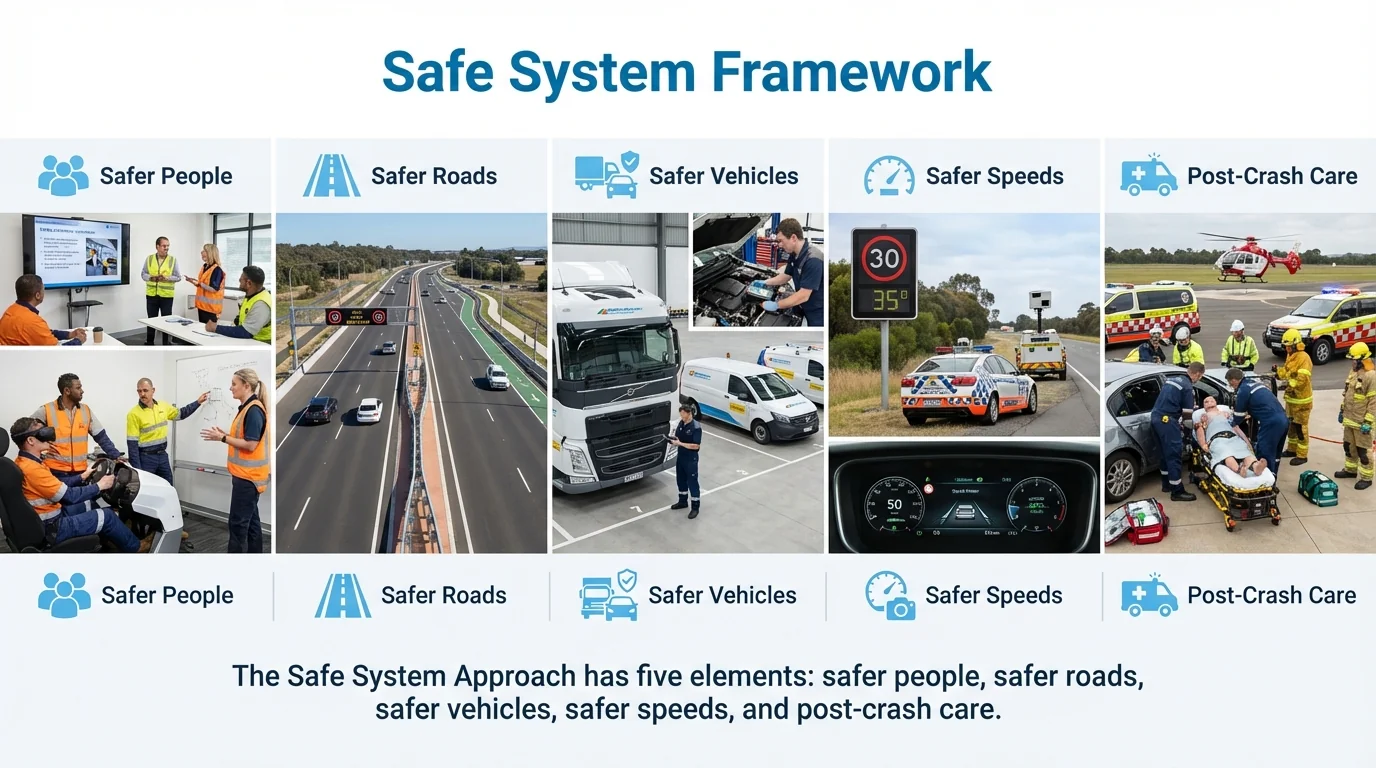
Safer people means building driver competence through training and education while also designing systems that accommodate human limitations. Perfection isn’t achievable, so systems must tolerate mistakes.
Safer roads include infrastructure design that separates conflicting movements, provides clear guidance, and features forgiving roadsides. Operators can influence this through route selection and advocacy for improved infrastructure.
Safer vehicles incorporate crash protection, crash avoidance technology, and appropriate design for their intended use. Fleet specifications should prioritize safety features beyond regulatory minimums.
Safer speeds were addressed earlier but warrant emphasis as a system element. Speed affects both crash likelihood and severity. Managing speeds appropriately reduces both.
Post-crash care reduces injury severity through rapid emergency response and quality trauma care. Operators should equip drivers with first aid training and emergency communication tools.
Implementing Safe System principles requires:
- Comprehensive assessment of current safety performance across all five elements
- Identification of gaps and prioritization based on crash data and risk assessment
- Multi-faceted improvement plans that address system-wide issues, not just individual behaviors
- Performance monitoring with leading and lagging indicators
- Continuous improvement based on incident investigation and hazard identification
Chain of Responsibility frameworks apply Safe System thinking to commercial transport, recognizing that parties beyond drivers contribute to safety outcomes. Consignors, loaders, schedulers, and managers all influence driver behavior and transport safety.
Driver Training and Ongoing Education Programs
Initial driver training establishes foundational skills. Ongoing education addresses changing conditions, new technologies, and the gradual development of unsafe habits.
New driver training should cover defensive driving techniques, hazard recognition, vehicle handling in adverse conditions, and company-specific safety policies. Don’t assume drivers with licenses possess adequate skills for commercial operations.
Defensive driving means anticipating potential hazards and maintaining escape routes. Train drivers to scan 12-15 seconds ahead, check mirrors every 5-8 seconds, and maintain space cushions around their vehicles.
Hazard recognition training improves drivers’ ability to identify risks before they develop into crashes. Use video-based scenarios showing common collision patterns and have drivers identify contributing factors.
Provide specialized training for high-risk situations including:
- Backing operations, which cause numerous preventable collisions
- Intersection navigation, particularly left turns across traffic
- Adverse weather driving techniques for rain, snow, and ice
- Emergency maneuvers including hard braking and evasive steering
- Cargo securing to prevent load shifts that affect vehicle stability
Schedule refresher training annually at minimum. More frequent sessions address specific problems identified through incident analysis or near-miss reporting.
Safety practices improve when training connects to operational realities. Use examples from your fleet’s experience rather than generic scenarios that don’t resonate with daily challenges.
Measure training effectiveness through post-training assessments, behavioral observation, and crash rate trends. Training that doesn’t change behavior or reduce incidents needs revision.
Building a Culture of Continuous Safety Improvement
Transport safety best practices only deliver results when embedded in organizational culture. Compliance programs without genuine commitment produce documentation, not protection.
Safety culture means that safety considerations influence every decision, from vehicle purchases to route planning to performance evaluations. It’s visible when workers at all levels feel empowered to stop unsafe operations.
Measure safety culture through employee surveys, observation of daily practices, and analysis of reporting patterns. Organizations with strong safety cultures see high near-miss reporting, which seems counterintuitive but indicates trust and awareness.
Leadership actions matter more than words. When executives prioritize delivery schedules over safety concerns, workers notice. When budgets cut safety training but preserve other expenses, culture suffers.
Create accountability systems where safety performance affects advancement and compensation. Managers whose teams have high crash rates or serious violations should face consequences, while those achieving strong safety performance receive recognition.
Continuous improvement requires systematic processes:
- Collect data on crashes, near-misses, hazards, and safety observations
- Analyze patterns to identify root causes and systemic issues
- Develop countermeasures addressing identified causes
- Implement changes with clear success metrics
- Monitor results and refine approaches based on outcomes
- Share lessons learned across the organization
Collision prevention improves when organizations learn from incidents without focusing solely on blame. Root cause analysis identifies contributing factors beyond driver error, revealing schedule pressure, inadequate training, or vehicle maintenance gaps.
Celebrate safety milestones and recognize individuals who contribute to safety improvements. Make safety achievement visible through performance metrics displayed prominently.
The organizations achieving the lowest crash rates and fewest serious injuries share common characteristics. They invest in safety as a business priority. They hire for safety attitudes, not just skills. They maintain equipment proactively. They build schedules allowing safe operation. They treat near-misses as learning opportunities.
Transport safety best practices work when supported by leadership commitment, adequate resources, and a culture where workers believe safety matters more than expedience.