
Chain of Responsibility compliance isn’t about paperwork or box-ticking. It’s about building safety systems that actually protect your business and the people in your supply chain.
After working across Australia’s supply chain sector for 25 years, I’ve seen the real cost of getting CoR wrong. Not just the financial penalties, but the operational disruption and reputational damage.
This guide will walk you through the fundamentals of CoR compliance under Australia’s Heavy Vehicle National Law. You’ll understand what CoR actually means for your business, how the audit process works, and what steps you need to take right now.
Whether you’re managing logistics for a major retailer or coordinating transport for a construction project, these principles apply. The regulatory requirements are consistent across industries, even though the application varies.
What CoR Certification Actually Means for Your Business
Certificate of Recognition represents formal acknowledgment that your business has implemented effective health and safety management systems.
But there’s an important distinction here. The search results reference two different CoR systems that share the same acronym.
In the United States, the Contracting Officer’s Representative is an individual designated in writing by the Contracting Officer to perform specific technical functions in administering a contract. This is a federal acquisition role focused on government contracting.
In Australia and Canada, CoR certification refers to a workplace safety recognition program. This guide focuses on the Australian context under the Heavy Vehicle National Law.
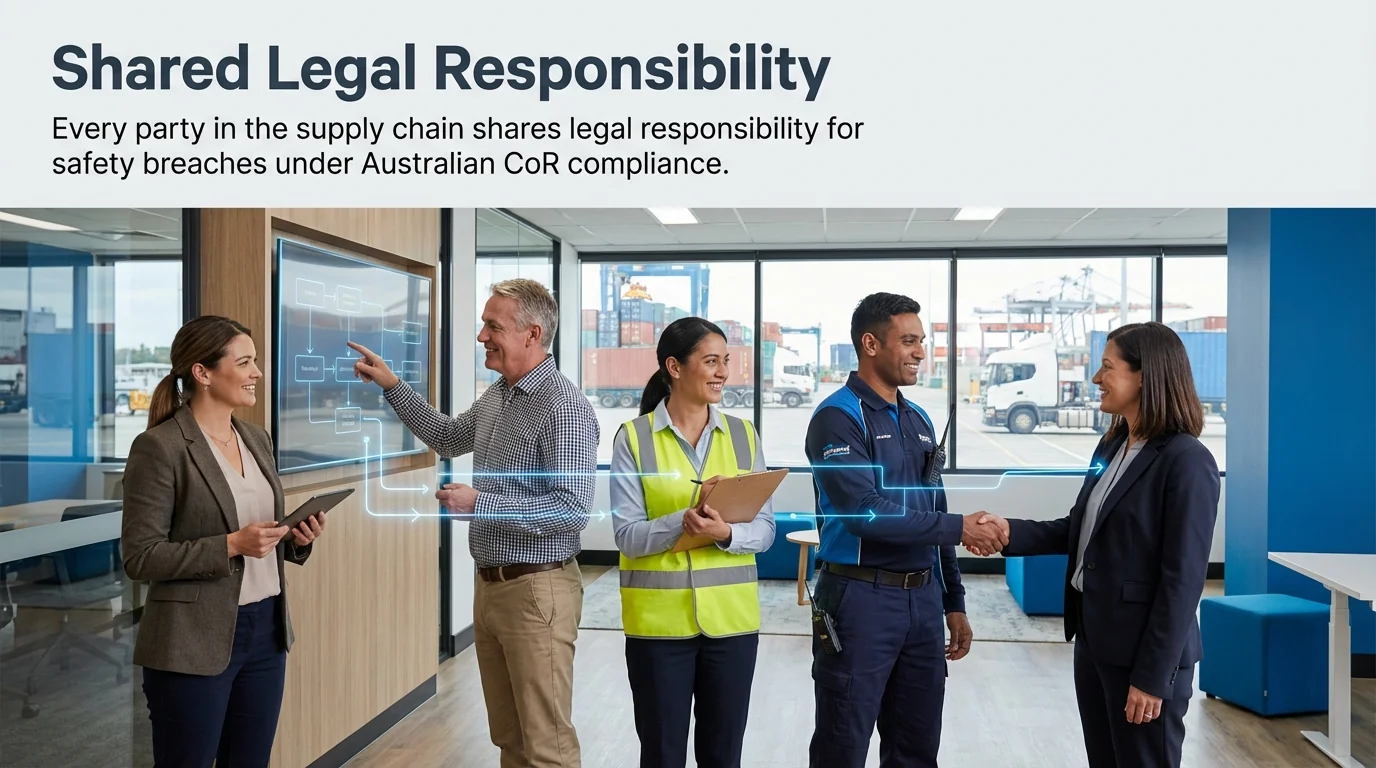
Australian CoR compliance addresses chain of responsibility requirements in the heavy vehicle transport industry. Every party in the supply chain shares legal responsibility for safety breaches.
That includes consignors, consignees, loading managers, schedulers, and transport operators. If you influence transport activities, you have CoR obligations.
Why Chain of Responsibility Matters
Traditional transport regulations only held drivers and operators accountable. This created systemic problems across the supply chain.
Schedulers demanded impossible delivery times. Loading managers overloaded vehicles. Customers pressured operators to cut corners.
The Heavy Vehicle National Law changed this framework fundamentally. Now everyone who influences heavy vehicle operations shares legal responsibility.
Your business faces prosecution if your actions contribute to breaches. This includes mass, dimension, load restraint, speed, fatigue, and vehicle standards offences.
The Business Case Beyond Compliance
CoR compliance delivers operational benefits that extend well beyond avoiding penalties.
Companies with robust safety management systems report fewer incidents, lower insurance premiums, and stronger relationships with transport providers.
Major project owners increasingly require CoR certification for contractor prequalification. Without certification, you’re excluded from significant tender opportunities.
The competitive advantage becomes clear when you consider procurement decisions. Certified businesses demonstrate systematic risk management and duty of care.
Understanding Your Legal Obligations Under HVNL
The Heavy Vehicle National Law applies across Australia except Western Australia and the Northern Territory. Those jurisdictions have separate but similar frameworks.
Under HVNL, you have primary duties to ensure the safety of your transport activities. This applies whether you employ drivers directly or engage contractors.
The law uses an “executive officer” concept that creates personal liability. Directors and senior managers can face individual prosecution for organisational failures.
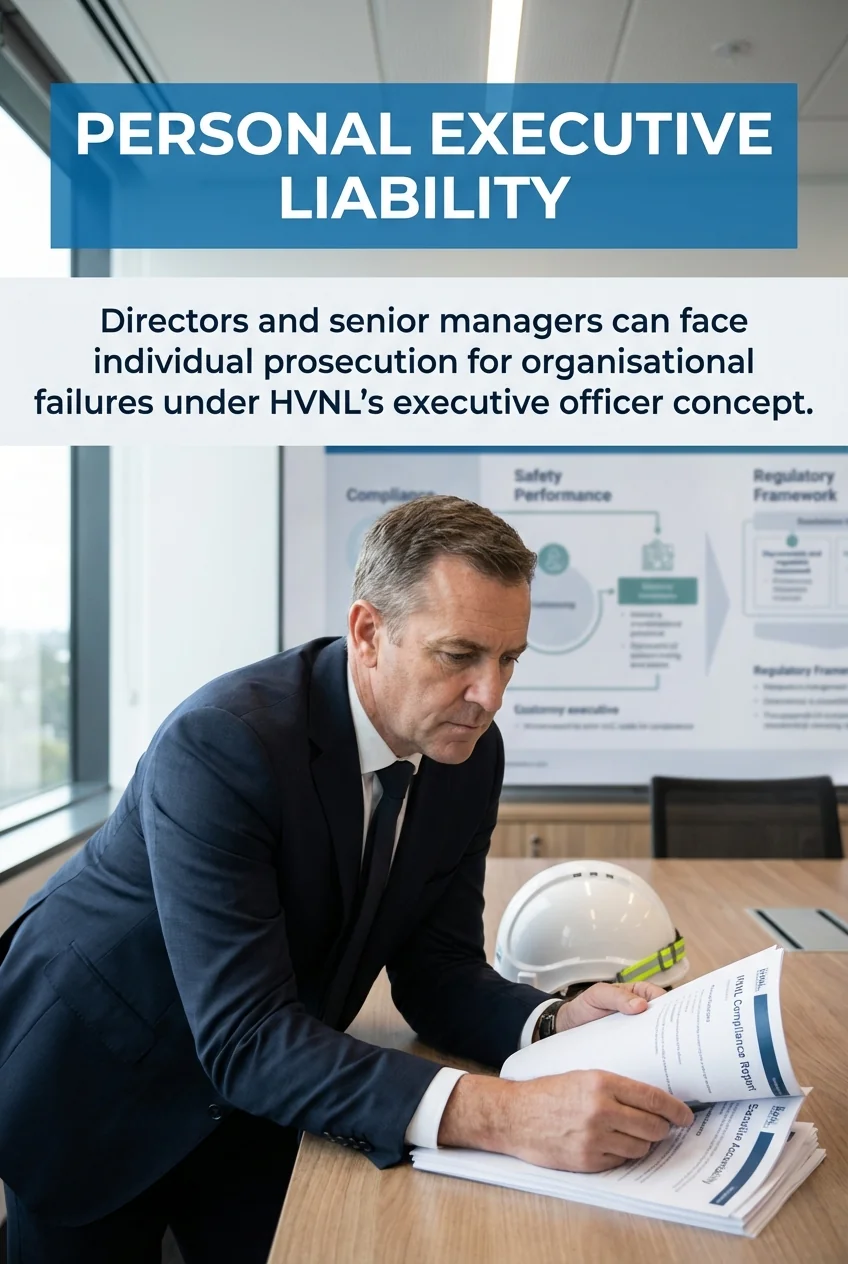
This shifts accountability directly to decision makers. You can’t delegate these responsibilities to a safety manager and consider the job done.
Primary Duty of Care Requirements
Your primary duty requires eliminating or minimising public risks arising from your transport activities. This is a reasonably practicable standard, not absolute liability.
You must consider available knowledge about hazards and risks. You must assess the likelihood and severity of potential harm.
Then you implement control measures proportionate to the risk. The law recognizes cost can be a factor, but only after considering safety options.
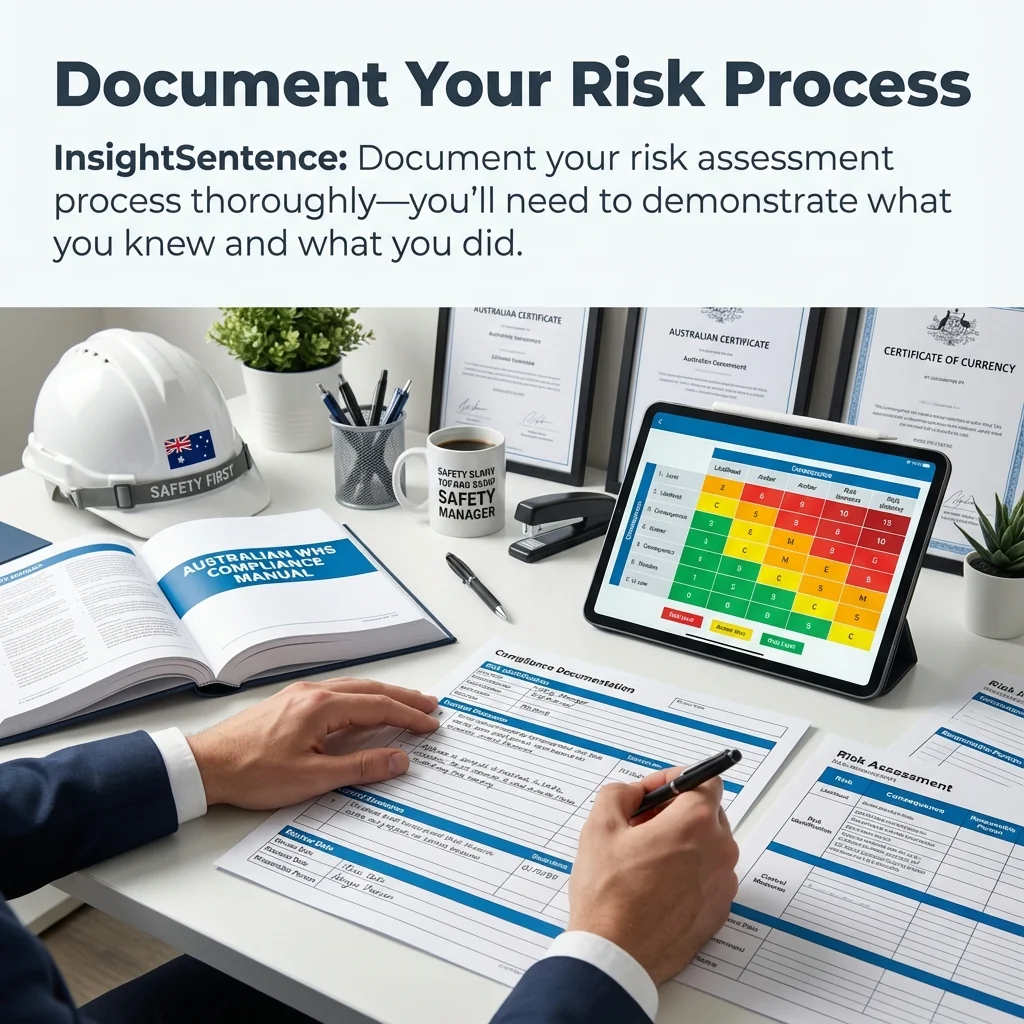
Document your risk assessment process thoroughly. In any legal proceedings, you’ll need to demonstrate what you knew and what you did about it.
Shared Responsibility Across the Supply Chain
Multiple parties can be liable for the same breach. The prosecution doesn’t need to choose between the driver, operator, and scheduler.
Each party is assessed against their specific influence and control. What could you reasonably have done to prevent the breach?
This makes supply chain coordination essential. Your safety requirements must be clearly communicated and contractually enforceable with transport providers.
Consider how your procurement processes, delivery schedules, and loading practices influence driver behavior. Those are your control points.
Building Your Health and Safety Management System
Effective CoR compliance starts with a documented safety management system. This isn’t about creating impressive policy manuals that sit on shelves.
Your system must integrate into daily operations. Drivers, schedulers, and warehouse staff need to use these procedures every day.
Start by mapping your transport activities end to end. Identify every point where decisions influence heavy vehicle operations.
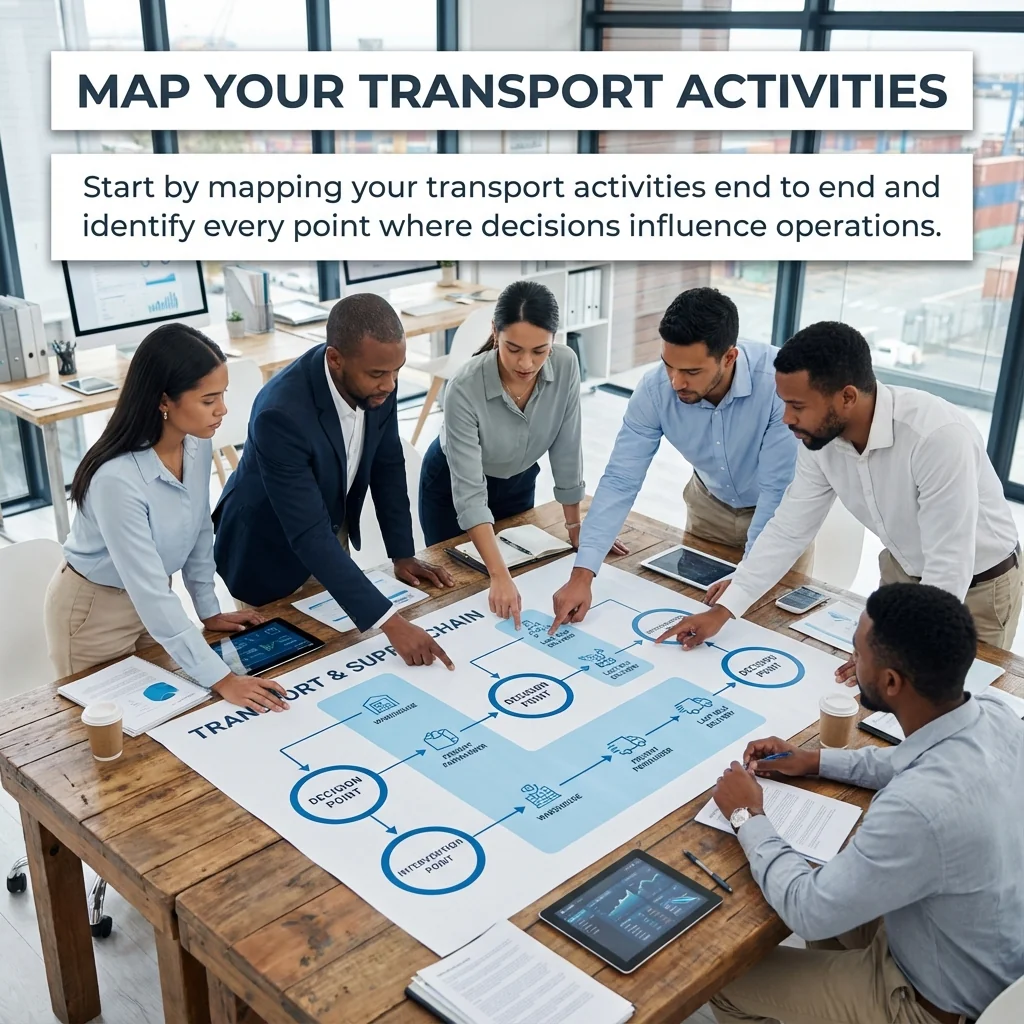
Where are scheduling decisions made? How are loads planned? Who communicates delivery requirements? These are your intervention points.
Core Elements of Your Safety System
Your safety management system needs documented policies covering each breach category. Address mass and loading, dimension, load restraint, speed and journey management, and fatigue management.
Each policy should specify responsibilities, procedures, and verification methods. Who does what, when, and how do we check it happened?
Include your contractor management processes. How do you select transport providers? What safety requirements do you communicate? How do you verify compliance?
Risk assessment procedures form another critical component. Establish how you identify hazards, assess risks, and determine control measures.
Documentation and Record Keeping
Your documentation proves you’ve implemented your system. Records demonstrate that procedures happen consistently, not just when auditors visit.
Maintain records of driver inductions, safety communications, incident investigations, and audit findings. Keep delivery schedules, load plans, and journey management logs.
These records support your due diligence defense if prosecution occurs. They show you took reasonable steps to prevent breaches.
Implement a systematic record retention schedule. Different record types have different legal retention requirements.
Implementing Effective Internal Audits
Internal audits verify that your safety system works in practice. This goes beyond checking that documents exist.
Your auditors need to observe actual operations. Are schedulers using the journey management tools? Do warehouse staff follow loading procedures?
Talk to frontline staff about what really happens. The gap between documented procedures and actual practice reveals your improvement priorities.
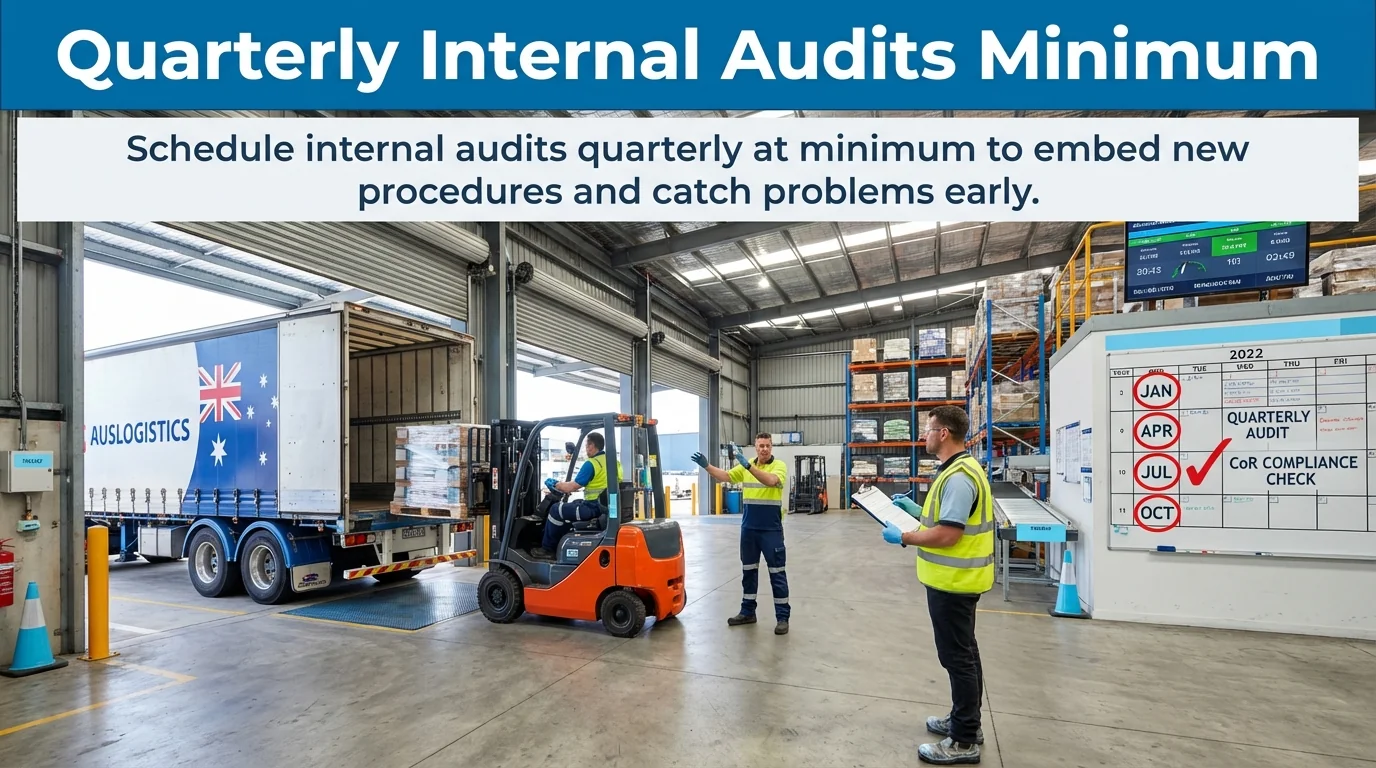
Schedule internal audits quarterly at minimum. More frequent audits help embed new procedures and catch problems early.
Training Your Internal Audit Team
Effective internal auditors need training in audit methodology and your safety management system. They must understand what good looks like.
Train auditors to assess compliance objectively. Personal relationships and operational pressures shouldn’t influence audit findings.
Your audit team should include people from different operational areas. Schedulers, warehouse supervisors, and transport coordinators bring different perspectives.
Consider detailed guidance on CoR principles when developing your audit program.
Conducting Meaningful Audits
Structure your internal audits around risk areas. Focus on high-risk activities where breaches commonly occur.
Review documentation first. Check that policies are current and procedures reflect actual operations.
Then observe work activities. Watch a load being planned, a delivery scheduled, or a vehicle loaded. Compare actual practice to documented procedures.
Interview staff at different levels. Ask drivers what pressures they face. Ask schedulers how they handle urgent requests. The answers reveal systemic issues.
| Audit Focus Area | Key Questions | Evidence Required |
|---|---|---|
| Mass Management | How are loads weighed and verified? | Load plans, weighbridge records, vehicle specifications |
| Fatigue Management | How are work hours monitored? | Journey logs, schedule records, fatigue declarations |
| Load Restraint | What standards guide restraint decisions? | Loading procedures, restraint specifications, inspection records |
| Journey Management | How are route and timing decisions made? | Delivery schedules, route plans, time allowances |
Preparing for External CoR Audits
External audits verify your system meets recognized standards. Different certifying partners apply slightly different assessment criteria.
In government contracting contexts, a COR must be an employee of the U.S. Government, a foreign government, or a North Atlantic Treaty Organization partner, but this relates to the American procurement system.
For Australian workplace safety certification, external auditors assess your documentation, observe your operations, and interview your staff.
The audit process typically takes several days depending on your organization’s size and complexity.
Selecting Your Certifying Partner
Choose a certifying partner with expertise in your industry sector. Construction operations differ significantly from retail distribution or manufacturing.
Ask about their audit methodology and assessor qualifications. What training do their auditors complete? How do they handle complex operational scenarios?
Consider the ongoing relationship beyond initial certification. You’ll need regular recertification audits and potentially interim assessments.
Review comprehensive CoR implementation guidance before selecting your certifying partner.
What Auditors Actually Assess
External auditors review your documentation first. They check that policies address all relevant breach categories and procedures are sufficiently detailed.
Then they test implementation. Do staff know the procedures? Can they demonstrate how procedures work? Are records complete and current?
Auditors observe operations where possible. They want to see your system functioning, not just read about it.
Senior management interviews assess leadership commitment. Do executives understand their obligations? How do they resource safety activities? What metrics do they monitor?
Common Audit Findings
Many businesses fail first-time audits on documentation gaps. Policies exist but don’t cover all scenarios. Procedures lack sufficient detail for consistent implementation.
Implementation gaps represent another common issue. Great policies exist but staff don’t follow them consistently. Training is inadequate or records are incomplete.
Management system integration causes problems too. Safety procedures sit separate from operational systems. People use different processes for actual work.
Resource allocation issues emerge during audit. No designated person owns safety coordination. Insufficient time is allocated for compliance activities.
Developing Your Training Program
Training builds capability across your organization. Different roles need different knowledge and skills.
Executives need to understand their personal obligations and governance responsibilities. Schedulers need detailed knowledge of fatigue management requirements. Warehouse staff need practical load restraint skills.
Tailor training content to each audience. Avoid generic safety presentations that don’t address specific operational decisions.
For practical implementation support, explore step-by-step CoR implementation resources.
Executive and Manager Training
Senior leaders need to understand the executive officer provisions. They face personal liability for organizational breaches.
Cover the due diligence defense explicitly. What steps must they take to demonstrate reasonable care? How should they exercise governance oversight?
Train executives on key risk indicators. What operational metrics signal potential compliance problems? How should they respond to incident reports?
Include case studies of successful prosecutions. Real examples clarify how seemingly minor decisions create legal exposure.
Operational Staff Training
Frontline staff training focuses on practical procedures. How do they perform their specific tasks safely and legally?
Schedulers need journey management training. How do they calculate reasonable travel times? What factors must they consider?
Warehouse staff need loading and restraint training. What are the mass limits? How do they verify compliance? What restraint methods apply?
Transport coordinators need contractor management training. How do they communicate safety requirements? What checks verify provider compliance?
Driver and Contractor Induction
Drivers and contracted operators need inductions covering your specific requirements. What are your site procedures? What documentation do you require?
Communicate your safety expectations clearly. What do you need drivers to do differently from their normal operations?
Explain how you’ll verify compliance. What checks will you perform? What happens if issues are identified?
Provide reference materials they can take away. Procedure summaries, contact information, and reporting processes.
Managing Your Transport Contractors
Contractor management represents a critical control point. Your transport providers directly influence breach risks.
Start with provider selection criteria. What safety capabilities must contractors demonstrate? How do you verify their claims?
Build safety requirements into contracts explicitly. Make compliance a contractual obligation with clear consequences for breaches.
Establish ongoing monitoring processes. How do you verify that contractors maintain standards throughout the contract term?
Contractor Pre-qualification Requirements
Develop a pre-qualification checklist covering key capability areas. Check registration status, insurance coverage, safety management systems, and complaint history.
Request evidence of safety systems. Ask for copies of policies, training records, and recent audit findings.
Verify driver qualifications and vehicle maintenance. Check license classes, medical certificates, and service records.
Consider a trial period for new providers. Monitor performance closely before extending to larger volumes.
Contractual Safety Terms
Include specific safety obligations in transport contracts. Detail the standards contractors must meet and verification methods you’ll use.
Address mass management, fatigue management, vehicle standards, load restraint, and speed management explicitly.
Specify documentation requirements. What records must contractors maintain? What reports must they provide?
Include breach response procedures. How will you handle non-compliance? What are the consequences?
Ongoing Performance Monitoring
Implement regular contractor performance reviews. Assess safety compliance alongside service delivery and cost metrics.
Track incident reports, complaints, and audit findings. Patterns indicate systemic problems requiring intervention.
Conduct periodic site visits and spot checks. Observe loading operations. Review driver paperwork. Talk to drivers about pressures they face.
Maintain a contractor scorecard. Rate providers on defined criteria and use scores to inform volume allocation decisions.
Creating Sustainable Compliance Processes
Long-term compliance requires systems that function without constant oversight. Embed safety into standard operations.
Integration means safety checks happen automatically. When someone schedules a delivery, journey time calculations occur automatically. When warehouse staff plan a load, mass limits are checked first.
Technology enables this integration. Modern transport management systems can incorporate CoR controls into standard workflows.
The CoRGuard platform provides systematic compliance tracking. It manages vendor assessments, monitors documentation, and flags emerging risks.
Technology Solutions for CoR Management
Transport management systems should incorporate mass calculations, journey time assessments, and fatigue monitoring.
Loading software can verify proposed loads against vehicle specifications. Alert users when configurations approach limits.
Document management systems centralize policies, procedures, and records. Ensure current versions are readily accessible.
Compliance tracking platforms monitor contractor documentation. Track policy expiry dates, insurance renewals, and audit schedules.
Building a Safety Culture
Sustainable compliance requires cultural change beyond procedural compliance. People need to understand why safety matters, not just what the rules require.
Leadership behavior drives culture. When executives prioritize safety in operational decisions, staff notice. When they compromise safety under pressure, staff notice that too.
Recognize and reward good safety performance. Celebrate teams that identify and resolve risks proactively.
Respond to safety concerns seriously and promptly. When staff raise issues, investigate and communicate outcomes.
Continuous Improvement Processes
Establish regular safety system reviews. What’s working? What’s creating problems? What’s changed in your operations?
Analyze incident trends and near misses. These reveal systemic weaknesses before serious breaches occur.
Monitor regulatory changes. HVNL amendments may require system updates. Industry guidance evolves as enforcement patterns emerge.
Benchmark against industry peers. What practices do high-performing organizations use? What can you adapt for your context?
Responding to Incidents and Breaches
Despite best efforts, incidents occur. Your response determines whether these become learning opportunities or legal problems.
Investigate every incident thoroughly. Understand root causes, not just immediate triggers. What systemic factors contributed?
Document investigations properly. Record evidence, interview witnesses, and analyze contributing factors objectively.
Implement corrective actions promptly. Address immediate hazards first, then tackle underlying system weaknesses.
Incident Investigation Methodology
Start investigations immediately while evidence is fresh. Secure physical evidence, take photographs, and identify witnesses.
Interview people separately to get unfiltered accounts. Ask open questions about what happened and why.
Map the incident sequence. What decisions and actions led to the breach? Where did controls fail?
Identify contributing factors at multiple levels. Individual actions, supervision failures, system weaknesses, and organizational pressures.
Corrective Action Implementation
Prioritize actions based on risk reduction potential. Address high-likelihood, high-consequence risks first.
Assign clear responsibility for each action. Who will implement it? By when? How will completion be verified?
Track action completion systematically. Don’t let items linger. Follow up regularly until closure.
Verify effectiveness after implementation. Did the action actually reduce the risk? Are there unintended consequences?
Reporting to Regulators
Understand your reporting obligations under HVNL. Certain incidents must be reported to the regulator within specified timeframes.
Report honestly and completely. Provide factual information about what happened, what you’ve done, and what you’re implementing.
Cooperate with regulatory investigations. Provide requested information promptly and facilitate inspector access.
Consider legal advice before detailed disclosures. Understand the implications of admissions and self-reporting.
Maintaining Certification and Continuous Compliance
Initial certification is the beginning, not the end. Ongoing compliance requires sustained effort and regular verification.
Certification typically lasts three years before renewal. But your obligations continue daily throughout that period.
Maintain vigilance between audits. Continue internal audits, training, and system updates as if external auditors arrive tomorrow.
The businesses that struggle at recertification are those that treat certification as a project rather than an ongoing commitment.
Recertification Preparation
Start preparing for recertification at least six months early. Review your system comprehensively against current standards.
Address any findings from previous audits. Verify that corrective actions are fully implemented and effective.
Update documentation to reflect operational changes. Have you changed premises, expanded services, or modified processes?
Refresh training for staff who joined since initial certification. Ensure everyone understands current procedures.
Staying Current with Regulatory Changes
Subscribe to regulator updates and industry bulletins. The National Heavy Vehicle Regulator publishes guidance and enforcement priorities.
Join industry associations that monitor regulatory developments. They translate complex legal changes into practical implications.
Review state-specific requirements if you operate across jurisdictions. Western Australia and Northern Territory have separate frameworks.
For jurisdiction-specific guidance, review CoR requirements in NSW and Victoria’s CoR framework.
Measuring Your Safety Performance
Track leading and lagging indicators. Lagging indicators measure outcomes like incident rates. Leading indicators measure proactive activities.
Monitor audit completion rates, training participation, and corrective action closure. These predict future safety performance.
Benchmark your performance. Compare your metrics to industry averages and your own historical trends.
Report safety performance to executives regularly. Keep leadership engaged with current data on compliance status and emerging risks.
Taking Your Next Steps
CoR compliance requires systematic effort, but the benefits extend far beyond avoiding penalties.
Start by assessing your current state honestly. Where are your gaps? What systems exist? What needs development?
Prioritize based on your risk profile. If you control mass loading, that’s your first focus. If scheduling drives operations, start with fatigue management.
Build capability progressively. You don’t need perfection immediately, but you need visible, documented progress toward compliance.
Consider expert support for your initial system development. Experienced consultants accelerate the process and help avoid common pitfalls.
Most importantly, commit to long-term cultural change. CoR compliance works best when safety becomes how you do business, not something separate you do for auditors.
Your first action today is mapping your transport activities. List every decision point that influences heavy vehicle operations. That’s your compliance roadmap.