
Supply chain risk mitigation requires organisations to actively manage multiple supplier relationships, maintain strategic inventory buffers, and implement real-time monitoring systems that detect disruptions before they cascade into operational failures. The most effective strategies combine supplier diversification across geographic regions with due diligence frameworks that continuously assess vendor capabilities, financial stability, and compliance status. Organisations that implement these foundational practices alongside technology solutions see measurably better outcomes when facing economic volatility, natural disasters, geopolitical tensions, or cybersecurity threats. This complete guide examines proven approaches drawn from 25 years of supply chain operations across FMCG, logistics, and manufacturing sectors, showing how systematic risk management transforms compliance obligations into operational advantages.
Your supply chain faces constant threats. Some develop gradually. Others strike without warning.
The challenge isn’t identifying risks. That part comes naturally when disruptions halt production or strand inventory. The real work lies in building systematic processes that detect vulnerabilities early and maintain operational continuity when things go wrong.
This guide walks through practical risk mitigation strategies that work in real operations. You’ll see how to categorize risks properly, implement supplier diversification without creating new complications, and use technology tools that actually improve visibility rather than just generating reports.
We’ll cover supplier due diligence frameworks that catch problems before they become crises. You’ll understand when inventory buffers make sense and when they just tie up working capital. Most importantly, you’ll see how to build resilience into your supply chain without adding unnecessary complexity.
Understanding Supply Chain Risk Categories
Supply chain risk management starts with proper categorization. Most organisations face four major risk types that require different mitigation approaches.
Economic risks include currency fluctuations, inflation, demand volatility, and supplier financial instability. These risks affect cost structures and purchasing power. A supplier facing bankruptcy creates different challenges than currency devaluation, even though both fall under economic risk.
Environmental risks span natural disasters, extreme weather events, resource scarcity, and climate-related disruptions. Floods, earthquakes, hurricanes, and wildfires can halt production instantly. These events often affect entire regions rather than individual suppliers.
Political and geopolitical risks encompass trade policy changes, tariffs, sanctions, regulatory shifts, and regional instability. A sudden tariff change can make your current sourcing strategy uneconomical overnight. Political tensions between countries create uncertainty that’s hard to quantify but impossible to ignore.
Ethical and compliance risks involve labor practices, environmental standards, corruption, and regulatory violations. Supply chain partners who cut corners on safety or worker conditions create liability exposure that extends to your organisation. Compliance failures in one tier can trigger investigations across your entire network.
Each category demands specific mitigation tactics. The framework you build must address all four without becoming unwieldy.
Why Traditional Risk Approaches Fall Short
Many organisations treat supply chain risk as a quarterly review exercise. They document suppliers, rate them on basic criteria, and file the results. This approach misses dynamic risks that develop between review cycles.
Supply chains change constantly. Suppliers add subcontractors. Trade rules shift. Natural disasters strike. A static risk assessment becomes outdated quickly.
Effective supply chain risk management requires continuous monitoring. You need systems that alert you when supplier financial metrics deteriorate or when geopolitical tensions threaten key sourcing regions.
Building a Risk-Aware Culture
Risk mitigation isn’t just a procurement function. Operations, logistics, quality, and finance teams all play roles in identifying and managing supply chain risks.
Cross-functional visibility matters. When your logistics team notices delivery delays from a key supplier, that information should trigger procurement review. When finance sees payment issues, operations needs to know immediately.
The organisations that manage supply chain disruptions effectively treat risk management as everyone’s responsibility. They create clear escalation paths and empower teams to flag concerns early.
Recent Disruptions That Changed Risk Management
Recent years exposed supply chain vulnerabilities that many organisations didn’t know existed. Disruptions forced rapid adaptation and revealed which risk management practices actually worked under pressure.
Global lockdowns in 2020 demonstrated how quickly demand patterns can shift. Organisations with diversified supplier bases adapted faster than those dependent on single sources. Companies that maintained strategic inventory buffers continued operations while competitors faced stockouts.
Semiconductor shortages starting in 2021 showed how disruptions in one industry cascade across others. Automotive, electronics, and appliance manufacturers all competed for limited chip supplies. Organisations with supplier visibility beyond Tier 1 identified alternative sources faster.
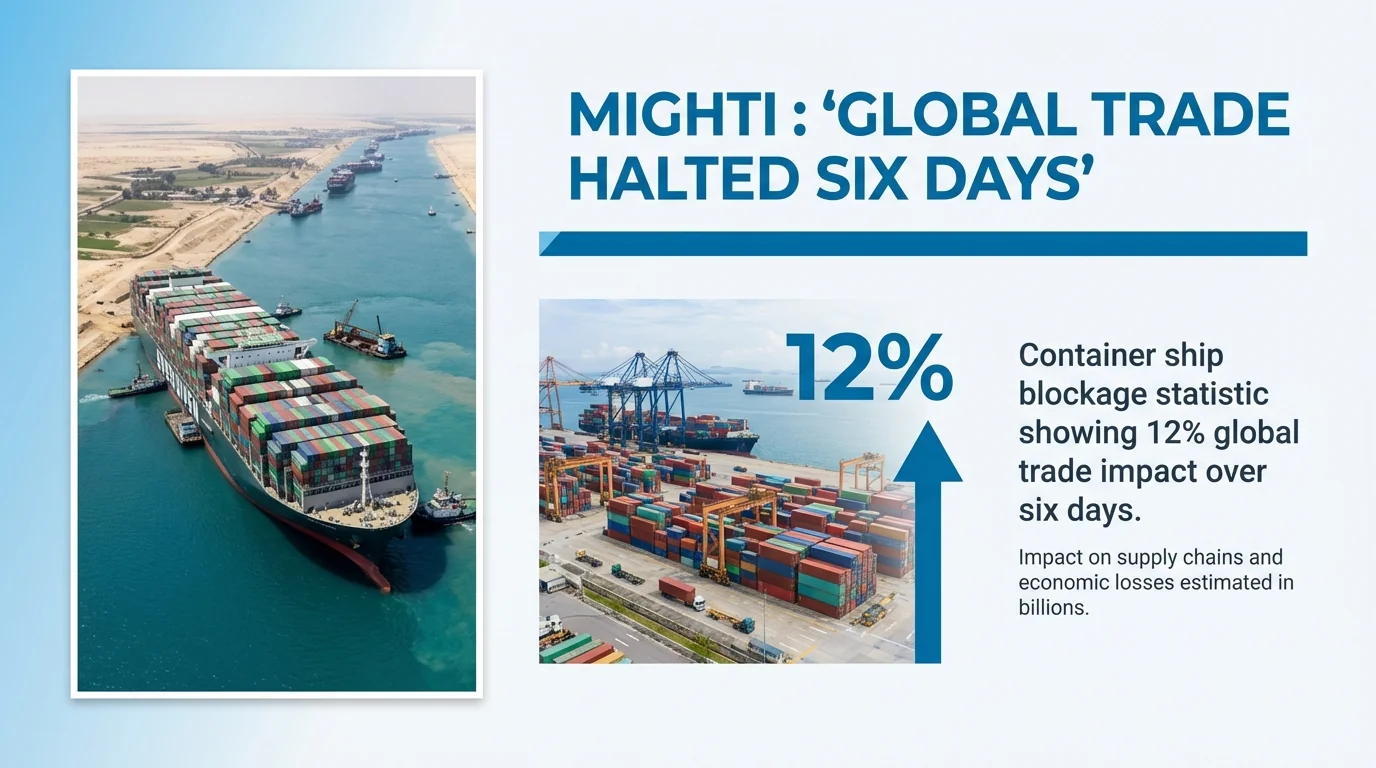
The Suez Canal blockage in March 2021 highlighted single-point-of-failure risks in global logistics networks. A single vessel halted 12% of global trade for six days. Companies with flexible routing options and inventory buffers weathered the disruption better than those operating just-in-time systems.
These events reinforced lessons about diversification, visibility, and resilience that many supply chain professionals already understood. The difference now is executive recognition that supply chain risk management deserves strategic investment.
Lessons From Real-World Disruptions
Organisations that performed well during recent disruptions shared common characteristics. They maintained relationships with multiple suppliers across different regions. They invested in supply chain visibility tools that provided real-time status updates. They held strategic inventory for critical components.
Just as important, successful organisations had developed scenario planning capabilities. They’d already mapped out contingency responses for various disruption types. When crises hit, they executed existing plans rather than improvising under pressure.
The supply chain risk management practices that worked weren’t exotic or expensive. They were systematic, consistent, and supported by appropriate technology tools.
Eight Proven Supply Chain Risk Mitigation Strategies
Effective supply chain risk management combines multiple strategies working together. No single approach eliminates all risks. The goal is building layered defenses that maintain operations when individual components fail.
Strategy 1: Diversify Your Supplier Base Across Regions
Diversifying suppliers and sourcing regions reduces dependency on single suppliers and mitigates risks from geopolitical or logistical disruptions. This strategy protects against regional disasters, political instability, and supplier-specific failures.
Start by mapping your current supplier concentration. Calculate what percentage of critical components comes from single suppliers or geographic regions. High concentration creates vulnerability.
Develop relationships with qualified alternative suppliers in different regions. This doesn’t mean ordering from everyone simultaneously. Maintain approved backup suppliers who can scale quickly when needed.
Consider the trade-offs carefully. Multiple suppliers increase complexity and may raise costs. Balance these concerns against the cost of disruption if your single supplier fails.
Strategy 2: Implement Rigorous Supplier Due Diligence
Due diligence must extend beyond initial qualification. Continuous assessment catches deteriorating performance or emerging risks before they trigger disruptions.
Establish clear evaluation criteria covering financial stability, operational capability, quality systems, compliance status, and risk exposure. Review these factors quarterly for critical suppliers.
Financial health indicators deserve particular attention. Suppliers facing cash flow problems may cut corners on quality or fail to maintain inventory. Access their financial statements when possible. Monitor payment patterns and credit ratings.
Operational site visits reveal capabilities that paperwork doesn’t capture. Assess facility conditions, equipment maintenance, workforce stability, and management systems. These visits also strengthen relationships that prove valuable during disruptions.
Strategy 3: Map Your Supply Chain Beyond Tier 1
Most organisations understand their direct suppliers reasonably well. Few have visibility into Tier 2 and Tier 3 suppliers who provide components or materials to those direct suppliers.
This blind spot creates risk. Your Tier 1 supplier may perform excellently, but if their critical subcontractor fails, you face the same disruption.
Mapping supply chains beyond Tier 1 suppliers helps identify and quantify exposure to risks such as tariff changes or trade restrictions. Start by requiring Tier 1 suppliers to disclose their critical subcontractors. Map dependencies and single points of failure.
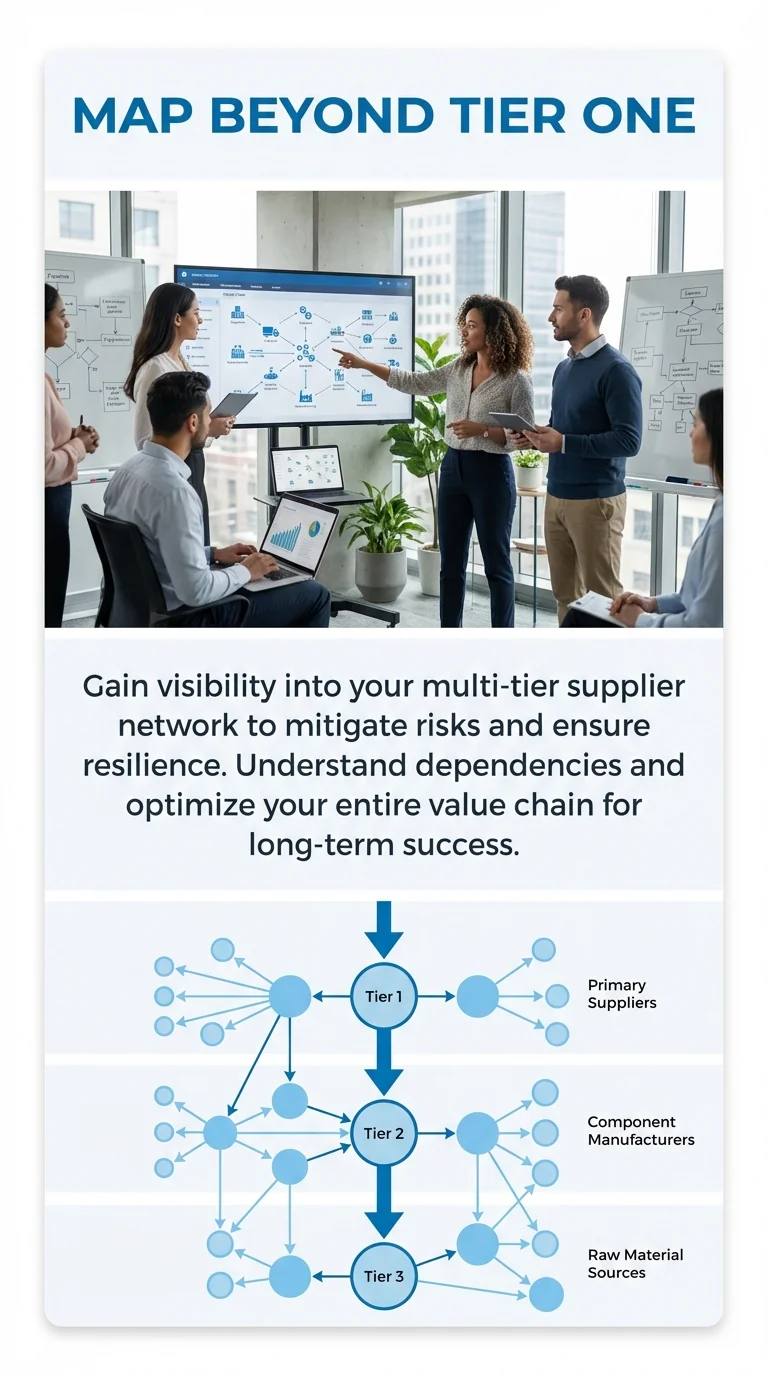
This visibility enables proactive risk management. When you know your Tier 2 suppliers, you can monitor regional risks affecting them. You can identify concentration issues before they cause problems.
Strategy 4: Maintain Strategic Inventory Buffers
Just-in-time inventory reduces carrying costs but increases disruption vulnerability. Strategic buffers for critical items provide operational continuity when supply interruptions occur.
Calculate appropriate buffer levels based on lead times, demand variability, and criticality. High-value items with stable demand and short lead times need smaller buffers. Critical components with long lead times or volatile supply justify larger safety stock.
Don’t treat all inventory equally. Prioritize buffers for items that would halt production if unavailable. Consider both the probability of supply disruption and the operational impact.
Review buffer levels regularly. Adjust based on changing risk profiles, supplier reliability, and demand patterns. Static safety stock calculations become outdated quickly.
Strategy 5: Build Supply Chain Visibility and Monitoring Systems
Real-time visibility into supplier performance, inventory levels, and shipment status enables faster response to emerging problems. Technology solutions that aggregate data from multiple sources provide the clearest picture.
Implement tracking systems that monitor key performance indicators across your supply chain. Track on-time delivery, quality metrics, capacity utilization, and inventory positions. Set alerts for deviations that signal potential issues.
Visibility tools work best when integrated across systems. Connect your enterprise resource planning platform with supplier management systems and logistics tracking tools. Consolidated dashboards help teams spot patterns that individual systems miss.
Geographic risk monitoring adds another visibility layer. Services that track natural disasters, political events, and regional disruptions help you anticipate supply impacts before they reach your suppliers.
Strategy 6: Develop Contingency Plans for Critical Scenarios
Scenario planning identifies potential disruptions and maps response protocols before crises occur. Teams execute faster when they’re following established procedures rather than creating new approaches under pressure.
Start with the most likely and most impactful scenarios. Natural disasters affecting key sourcing regions. Major supplier failures. Transportation network disruptions. Sudden demand spikes or crashes.
Document specific response steps for each scenario. Who gets notified? What alternative suppliers get activated? Which inventory gets prioritized? How do you communicate with customers?
Test your contingency plans periodically through tabletop exercises. Walk teams through scenarios and identify gaps in your response protocols. Update plans based on what you learn.
Strategy 7: Strengthen Supplier Relationships and Communication
Strong supplier relationships provide advantages during disruptions that purely transactional arrangements don’t deliver. Suppliers prioritize customers they trust and value when capacity constraints force allocation decisions.
Regular communication builds understanding beyond purchase orders and invoices. Share forecasts, discuss challenges openly, and collaborate on improvement initiatives. These interactions create mutual commitment.
Consider supplier development programs for critical partners. Help them improve capabilities, implement better systems, or expand capacity. These investments strengthen your supply chain while building goodwill.
Long-term contracts with appropriate flexibility clauses can secure capacity and pricing stability while allowing adjustments for changed circumstances. Balance commitment with the ability to respond to market shifts.
Strategy 8: Leverage Data Analytics for Predictive Risk Management
AI-driven forecasting tools and data analytics increasingly help organisations anticipate disruptions, improve demand planning, and enhance supply chain responsiveness. These technologies identify patterns that manual analysis misses.
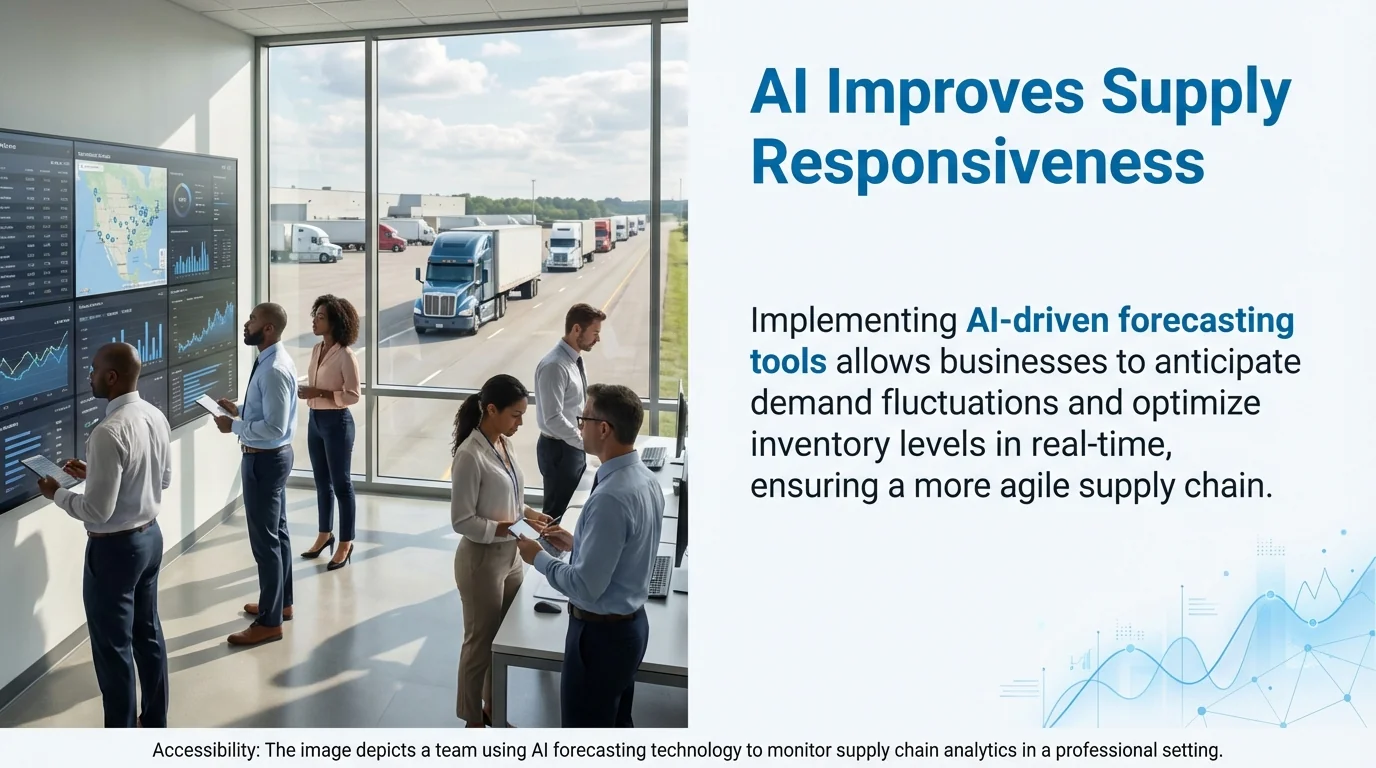
Advanced analytics tools process multiple data streams simultaneously. They correlate supplier performance trends with external risk factors. They flag emerging issues based on subtle indicators.
Predictive models estimate disruption probability and potential impact. This information helps prioritize mitigation efforts and resource allocation. You can’t address every risk equally, so focus on the combinations of likelihood and consequence that matter most.
Machine learning algorithms improve over time as they process more data. Early implementations may require tuning, but mature systems provide increasingly accurate risk assessments.
Technology Solutions That Enable Risk Management
The right technology infrastructure transforms supply chain risk management from periodic reviews into continuous monitoring. Purpose-built tools deliver better results than generic solutions.
Supply chain visibility platforms aggregate data from suppliers, logistics providers, and internal systems into unified dashboards. Real-time tracking shows where inventory sits, when shipments move, and which suppliers face performance issues.
Supplier management software centralizes vendor information, performance metrics, compliance documentation, and risk assessments. These systems ensure everyone works from current data rather than outdated spreadsheets. Look for platforms that automate compliance monitoring and send alerts when certifications expire or performance degrades.
Risk intelligence services monitor external factors affecting your supply chain. They track natural disasters, political events, financial indicators, and regulatory changes. Alerts notify relevant teams when developments threaten key suppliers or sourcing regions.
Analytics and forecasting tools process historical data and external signals to predict future disruptions. Advanced solutions use machine learning to identify subtle patterns indicating emerging risks. These capabilities help organisations shift from reactive to proactive risk management.
Selecting Technology That Fits Your Operations
Technology selection should match your supply chain complexity and risk profile. Small organisations with limited supplier networks need different tools than global enterprises managing thousands of vendors.
Start with clear requirements. What specific risks do you need to monitor? What data sources must integrate? Which teams need access? How quickly do you need alerts?
Evaluate solutions based on usability as much as features. Complex systems that teams don’t use consistently provide little value. Look for intuitive interfaces and clear workflows.
Consider implementation resources realistically. Software that requires extensive customization or lengthy deployment delays benefits. Sometimes simpler tools you can implement quickly deliver better results than sophisticated platforms that take years to configure.
Integration and Data Quality
Technology tools only work well when fed accurate, timely data. Poor data quality undermines even the best software.
Establish data governance processes before implementing new systems. Define data standards, assign ownership, and create validation procedures. Clean existing data rather than migrating problems into new platforms.
Plan integration carefully. Most supply chain risk management solutions need connections to enterprise resource planning systems, supplier portals, logistics platforms, and external data sources. Poor integration creates information silos that defeat the purpose of consolidated visibility.
Building Effective Supplier Relationships
Technology and processes matter, but relationships determine how suppliers respond when disruptions test your supply chain. Strong partnerships provide resilience that contracts alone can’t deliver.
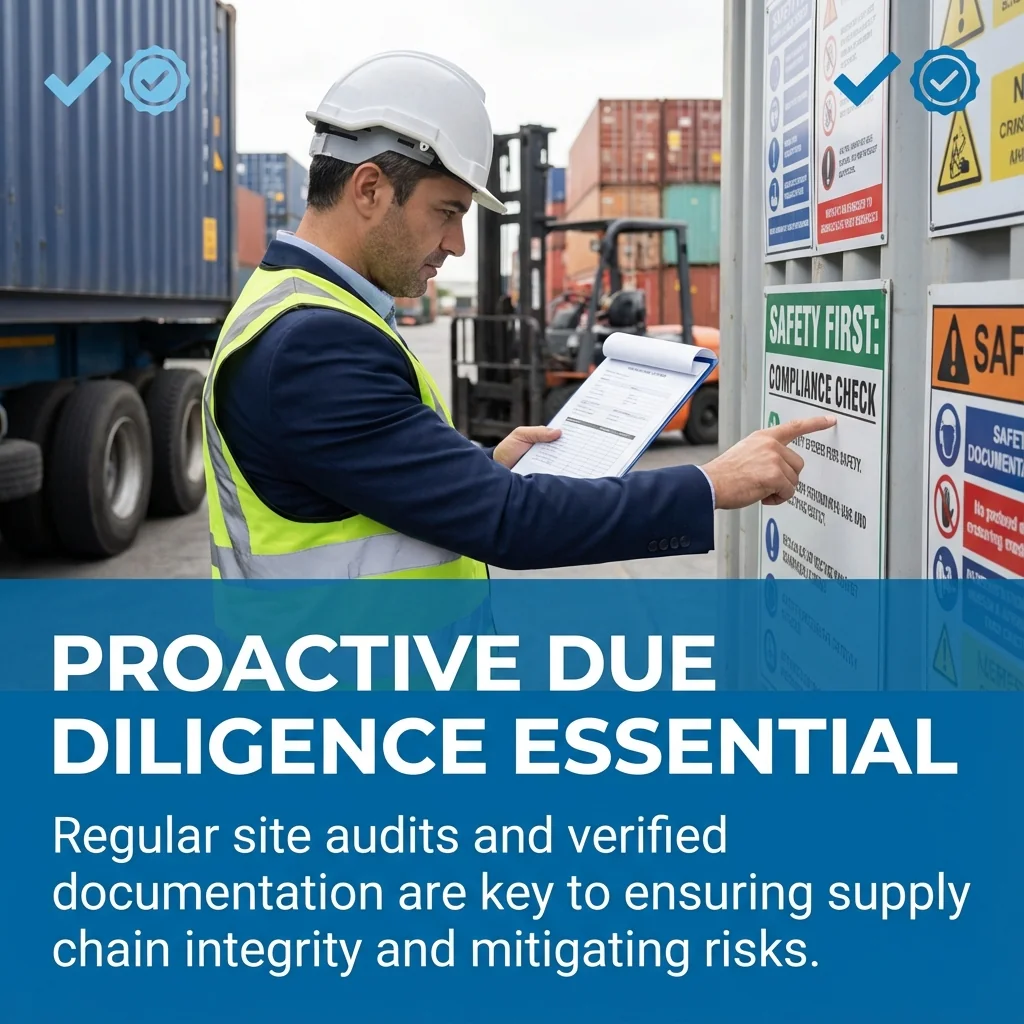
Proactive due diligence and compliance assessments remain critical for building resilient supply chains, especially as trade rules and responsible sourcing expectations continue tightening. But assessment alone isn’t enough.
Regular communication creates mutual understanding. Share your forecasts openly so suppliers can plan capacity. Discuss their challenges so you understand constraints they face. These conversations build trust that pays dividends during crises.
When suppliers face difficulties, collaborative problem-solving strengthens relationships. Help identify solutions rather than just switching vendors. This approach builds loyalty that translates to priority treatment when capacity gets tight.
Recognition matters too. Acknowledge strong performance publicly. Celebrate suppliers who consistently deliver quality and reliability. These gestures cost nothing but significantly impact supplier commitment.
Supplier Development Programs
Strategic suppliers who lack certain capabilities present opportunities for joint improvement. Supplier development programs help partners enhance quality systems, implement better processes, or adopt new technologies.
Start by assessing which suppliers would benefit most from development support. Focus on strategic partners where capability improvements directly reduce your supply chain risks.
Development initiatives might include quality training, process improvement consulting, technology implementation assistance, or financial support for capacity expansion. Structure programs so both parties invest and benefit.
Track results carefully. Measure capability improvements, quality metrics, delivery performance, and cost impacts. Successful programs create case studies that encourage other suppliers to participate.
Balancing Partnership and Performance
Strong relationships don’t mean tolerating poor performance. Effective supplier management balances collaboration with clear performance expectations and consequences.
Establish specific, measurable performance standards. Define acceptable quality levels, on-time delivery targets, response time requirements, and compliance obligations. Make expectations explicit.
Monitor performance consistently. Regular scorecards show suppliers how they’re performing against standards. Address issues promptly before they become crises.
When suppliers consistently underperform despite support, transition to alternatives. Loyalty works both ways. Suppliers who don’t meet commitments after receiving development assistance don’t deserve continued business.
Implementing a Proactive Risk Management Framework
Individual strategies help, but lasting supply chain resilience requires systematic frameworks that institutionalize risk management practices. This section shows how to build sustainable processes that persist beyond any individual’s tenure.
Start by formally defining roles and responsibilities. Who identifies risks? Who assesses severity? Who authorizes mitigation spending? Who monitors effectiveness? Clear accountability prevents important tasks from falling through gaps between departments.
Establish a cross-functional risk committee that meets regularly. Include representatives from procurement, operations, logistics, quality, finance, and legal. This group reviews current risks, evaluates new threats, and approves mitigation investments.
Document your risk management methodology. Create templates for risk assessments, mitigation plans, and supplier evaluations. Standardization ensures consistent approaches across different teams and suppliers.
Risk Assessment and Prioritization
You can’t mitigate every supply chain risk with equal intensity. Prioritization focuses resources where they’ll have the greatest impact.
Use a consistent framework to evaluate each identified risk. Assess both likelihood and potential impact. Consider financial consequences, operational disruption, reputational damage, and compliance implications.
Plot risks on a matrix showing probability and severity. High-likelihood, high-impact risks demand immediate attention and significant resources. Low-likelihood, low-impact risks might simply get monitored rather than actively mitigated.
Review risk assessments quarterly at minimum. Supply chain risks change as business conditions shift, suppliers evolve, and external factors develop. Static assessments become dangerously outdated.
Continuous Improvement and Learning
Every disruption provides learning opportunities if you capture lessons systematically. Post-incident reviews identify what worked, what failed, and what needs improvement.
When disruptions occur, document the event thoroughly. What was the root cause? How quickly did you detect the problem? How effective was your response? What would you do differently?
Share lessons across the organisation. Disruptions in one category often reveal vulnerabilities in others. Learning from each incident strengthens overall resilience.
Update your risk assessments and contingency plans based on new information. Real-world events test assumptions and expose gaps that theoretical planning misses.
Measuring Risk Management Effectiveness
Establish clear metrics that show whether your supply chain risk management efforts are working. Track both leading indicators that predict problems and lagging indicators that measure outcomes.
Leading indicators include supplier assessment completion rates, contingency plan testing frequency, and risk monitoring system uptime. These metrics show whether you’re executing planned activities.
Lagging indicators measure actual results. Track supply disruption frequency, recovery time when disruptions occur, cost of disruptions, and customer service levels during supply challenges.
Report metrics regularly to leadership. Executive visibility ensures continued support and resource allocation for risk management initiatives.
Key Questions About Supply Chain Risk Management
Which strategy is used to mitigate supply chain risks?
Supplier diversification is widely used to mitigate supply chain risks by reducing reliance on single suppliers or regions. Organisations also implement structured risk assessment frameworks, maintain inventory buffers, and leverage digital tools for visibility. These strategies collectively strengthen resilience and continuity.
What are some examples of risk mitigation strategies?
Risk mitigation strategies include dual sourcing to avoid single-supplier dependency, keeping safety stock to buffer against shortages, and developing contingency plans. Additional methods involve transferring risk through insurance or contracts and continuously monitoring supplier performance to detect risks early.
What are the 7 C’s of supply chain management?
The 7 C’s framework helps organisations assess suppliers through Competence, Capability, Capacity, Commitment, Consistency, Communication, and Control. Applying these principles supports robust supplier selection and ongoing risk management.
Moving From Planning to Action
Supply chain risk management delivers results when you implement systematically rather than tackle everything simultaneously. Start with your highest-priority risks and build momentum.
Assess your current state honestly. Map your supplier concentration, evaluate your visibility gaps, and identify your most critical vulnerabilities. This baseline shows where to focus first.
Choose three initial actions that address your biggest risks. Perhaps you need to qualify backup suppliers for critical components. Maybe inventory buffers for key items would prevent production disruptions. Or supplier financial monitoring could catch problems earlier.
Implement those three initiatives thoroughly. Document processes, train teams, and measure results. Success with initial projects builds organisational confidence and secures resources for broader efforts.
Expand systematically from there. Add supplier tiers to your visibility efforts. Extend monitoring to additional risk categories. Develop contingency plans for more scenarios. Each improvement compounds previous gains.
Supply chain resilience isn’t a destination you reach. It’s an ongoing capability you build through consistent attention and continuous improvement. The organisations that manage supply chain disruptions effectively treat risk management as fundamental to how they operate, not an occasional project when crises force attention.
Your supply chain faces risks daily. The question isn’t whether disruptions will occur. The question is whether you’ll be ready when they do.