
Transport safety policy development demands a structured, evidence-based approach that balances regulatory compliance with operational reality. When you build a safety policy, you’re creating the framework that governs every movement of every vehicle in your operation. The U.S. Safe Streets and Roads for All program established $5 billion in funding over five years specifically for communities implementing safety action plans, signaling the critical importance governments place on systematic safety frameworks.
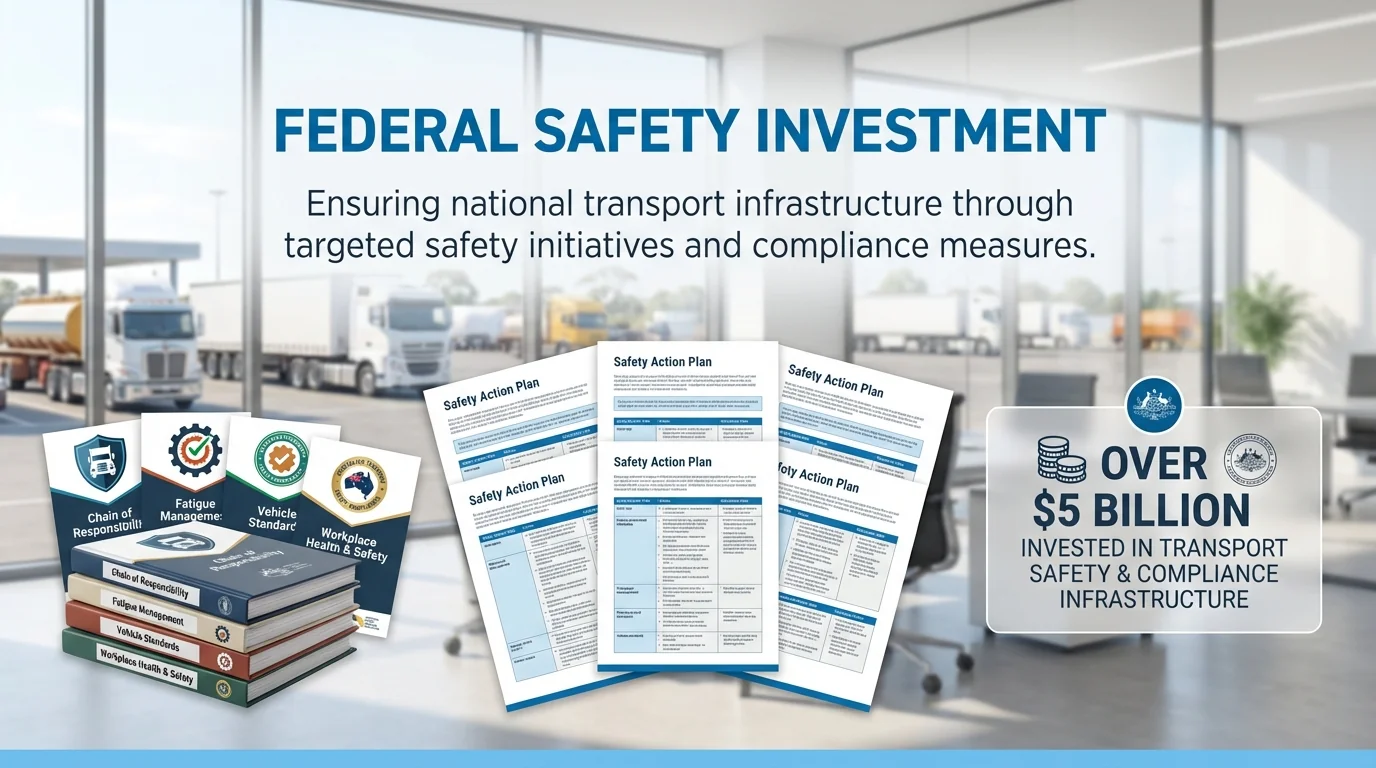
Your transport safety policy must integrate five interconnected elements: safer people, safer roads, safer vehicles, safer speeds, and post-crash care. These aren’t independent initiatives. They work together as a system that assumes human error will occur and designs protections accordingly.

This guide walks through the practical steps for developing a transport safety policy that meets compliance requirements while supporting actual operational improvement. You’ll see how to establish leadership commitment, conduct risk assessment, set measurable objectives, implement technology solutions, develop training programs, create reporting systems, and maintain regulatory compliance.
Understanding Transport Safety Policy Development
A transport safety policy defines the rules governing what’s allowed by road users in your operation. It establishes your organization’s commitment to safety and outlines the specific measures you’ll take to prevent incidents.
The policy framework must address both behavioral and systemic factors. Driver behavior monitoring, vehicle maintenance standards, route planning protocols, and emergency response procedures all fall within the policy scope.
Core Components of Transport Safety Policy
Every effective transport safety policy includes clear safety objectives aligned with organizational goals. These objectives should target zero deaths and serious injuries rather than merely reducing incident rates.

Your policy needs defined roles and responsibilities. Who conducts vehicle inspections? Who reviews telematics data? Who investigates near misses? Ambiguity in responsibility creates gaps in safety management.
Documentation requirements form another essential component. You must specify what records you’ll maintain, how long you’ll keep them, and who can access them. This supports both compliance and continuous improvement efforts.
Regulatory Context and Compliance Requirements
Transportation safety policy implementation must account for applicable regulations in your jurisdiction. Compliance requirements vary by location, vehicle type, and cargo category.
Work health and safety legislation, transport regulations, and chain of responsibility laws all impose obligations. Your policy needs to address these requirements explicitly, showing how operational procedures fulfill legal duties.
Regular policy reviews ensure ongoing alignment with changing regulations. Schedule annual compliance audits to identify gaps before regulators do.
Step 1: Establish Strong Leadership Commitment and Safety Culture
Leadership commitment transforms safety policy from paperwork into operational reality. Without genuine executive support, safety initiatives become box-ticking exercises that fail when pressure increases.
Senior management must visibly prioritize safety in resource allocation, decision-making processes, and day-to-day communications. This means investing in safety systems, attending safety meetings, and holding people accountable for safety performance.
Building Organizational Safety Culture
Safety culture reflects the shared values, beliefs, and practices around safety within your organization. A strong safety culture encourages reporting, learns from mistakes, and continuously improves.
Start by assessing your current safety culture. Conduct anonymous surveys asking whether employees feel comfortable reporting safety concerns. Review incident reports to see if near misses are being documented. Talk to drivers about whether they feel pressured to compromise safety for productivity.
Create clear reporting channels where employees can raise safety issues without fear. Implement a non-punitive reporting system for near misses and minor incidents. Use these reports as learning opportunities, not blame assignments.
Recognize and reward safe behavior. Many organizations focus exclusively on incident rates, which can discourage reporting. Balance this by celebrating proactive safety contributions, whether that’s identifying a hazard, suggesting a process improvement, or mentoring new employees.
Executive Accountability Mechanisms
Establish formal accountability for safety performance at the executive level. Include safety metrics in leadership performance reviews and compensation structures.
Create a safety committee with executive representation. This committee should meet monthly to review safety data, investigate significant incidents, and approve safety investments.
Require executives to participate in safety training alongside frontline employees. This demonstrates that safety applies to everyone, not just drivers.
Step 2: Conduct Comprehensive Risk Assessment and Analysis
Risk assessment identifies the specific hazards your operation faces and evaluates their potential severity. This data-driven approach ensures your transport safety policy addresses actual risks rather than assumed ones.
Systematic risk management starts with gathering information about your operations. Analyze historical incident data, review near-miss reports, examine vehicle maintenance records, and map route characteristics.
Data Collection and Analysis Methods
Collect both lagging and leading indicators. Lagging indicators like incident rates tell you what went wrong. Leading indicators like vehicle inspection compliance rates help you prevent incidents.
Use telematics systems to gather objective data on driver behavior. Speed, harsh braking, acceleration patterns, and hours of operation provide insights into risk exposure.
Conduct journey management assessments for regular routes. Identify high-risk segments, alternative routes for hazardous conditions, and required rest stop locations.
Interview drivers and operators to understand risks that don’t appear in formal reports. Experienced drivers often know where hazards exist but may not have documented them.
Risk Prioritization Framework
Not all risks require immediate attention. Prioritize based on both likelihood and potential severity.
Create a risk matrix plotting identified hazards on likelihood and consequence axes. Focus first on high-likelihood, high-consequence risks like driver fatigue on long-haul routes.
| Risk Category | Priority Level | Response Timeline |
|---|---|---|
| High likelihood, high consequence | Critical | Immediate action required |
| High likelihood, moderate consequence | High | Address within 30 days |
| Moderate likelihood, high consequence | High | Address within 30 days |
| Low likelihood, high consequence | Medium | Plan mitigation within 90 days |
| Moderate likelihood, low consequence | Medium | Plan mitigation within 90 days |
| Low likelihood, low consequence | Low | Monitor and review annually |
Document your risk assessment findings and share them with relevant stakeholders. Transparency about risks builds trust and encourages proactive safety behavior.
Step 3: Define Clear Safety Objectives and Performance Metrics
Safety objectives translate your commitment into measurable targets. Vague aspirations like “improve safety” don’t drive action. Specific, measurable objectives do.
Set both outcome-based and process-based objectives. Outcome objectives target results like reducing incidents by a specific percentage. Process objectives focus on implementation, such as completing 100% of scheduled vehicle maintenance.
Establishing Measurable Safety KPIs
Key performance indicators provide objective measures of safety performance. Select KPIs that reflect your specific risks and operational context.
Common transportation safety KPIs include:
- Total recordable incident rate per million kilometers
- Lost time injury frequency rate
- Vehicle defect identification rate during inspections
- Driver safety training completion rate
- Near-miss reporting rate (higher is often better, indicating reporting culture)
- Speed limit compliance percentage from telematics data
- Fatigue management policy adherence rate
Track leading indicators that predict future performance. Driver training completion rates, vehicle maintenance compliance, and safety audit scores all predict future incident rates.

Setting Realistic Yet Ambitious Targets
Review your historical performance to establish baseline metrics. Look at the past three years to account for variability and identify trends.
Set targets that stretch performance without creating impossible expectations. A 20% improvement in incident rates over one year might be achievable. A 90% reduction probably isn’t.
Consider adopting a long-term vision of zero serious incidents. The U.S. Department of Transportation’s National Roadway Safety Strategy adopts precisely this long-term goal, recognizing that eliminating fatalities requires systemic change over time.
Break long-term targets into annual milestones. This creates momentum while maintaining focus on the ultimate objective.
Step 4: Implement Technology-Driven Safety Solutions
Technology solutions enhance transportation safety by providing real-time monitoring, predictive analytics, and automated compliance tracking. The right tools make safety management more effective and efficient.
Modern fleet safety management relies on integrated systems that collect, analyze, and act on data continuously. These systems support proactive intervention before incidents occur.
Telematics and GPS Tracking Systems
Telematics systems monitor vehicle location, speed, driver behavior, and vehicle health in real time. Install Geotab or similar platforms to capture this operational data.
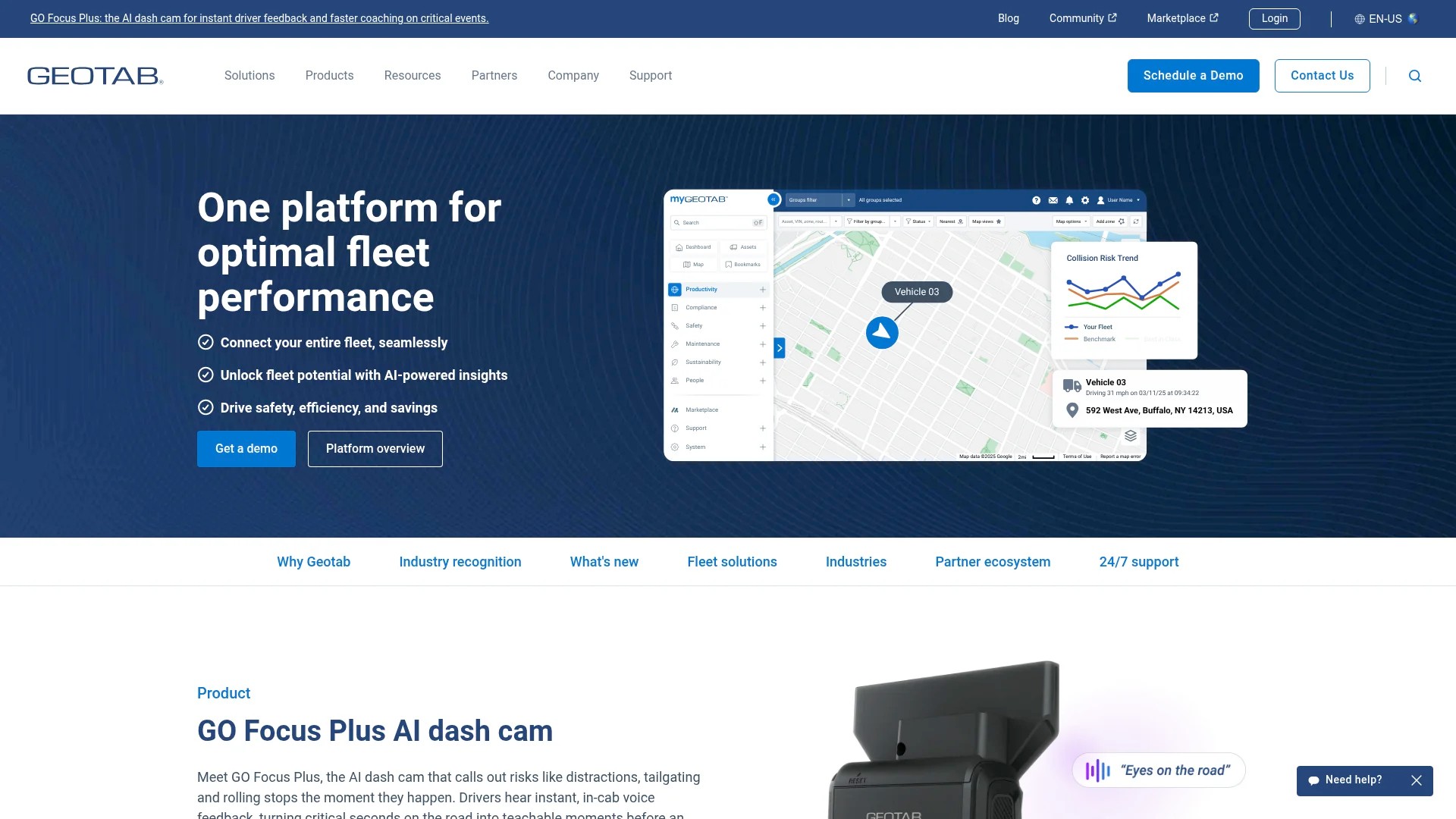
Configure telematics systems to alert managers when safety thresholds are exceeded. Set notifications for speeding, harsh braking, rapid acceleration, and extended driving hours.
Use GPS tracking to verify route compliance and identify unauthorized stops. This supports both safety and security objectives.
Review telematics data weekly to identify patterns. A driver who speeds occasionally may need a conversation. A driver who speeds consistently needs intervention.
AI-Powered Predictive Analytics
Artificial intelligence analyzes patterns in safety data to predict where incidents are likely to occur. These systems identify high-risk drivers, vehicles, and routes before problems manifest.
Implement AI tools that score driver risk based on behavior patterns. Systems like Samsara combine telematics data, weather conditions, and route characteristics to calculate risk scores.
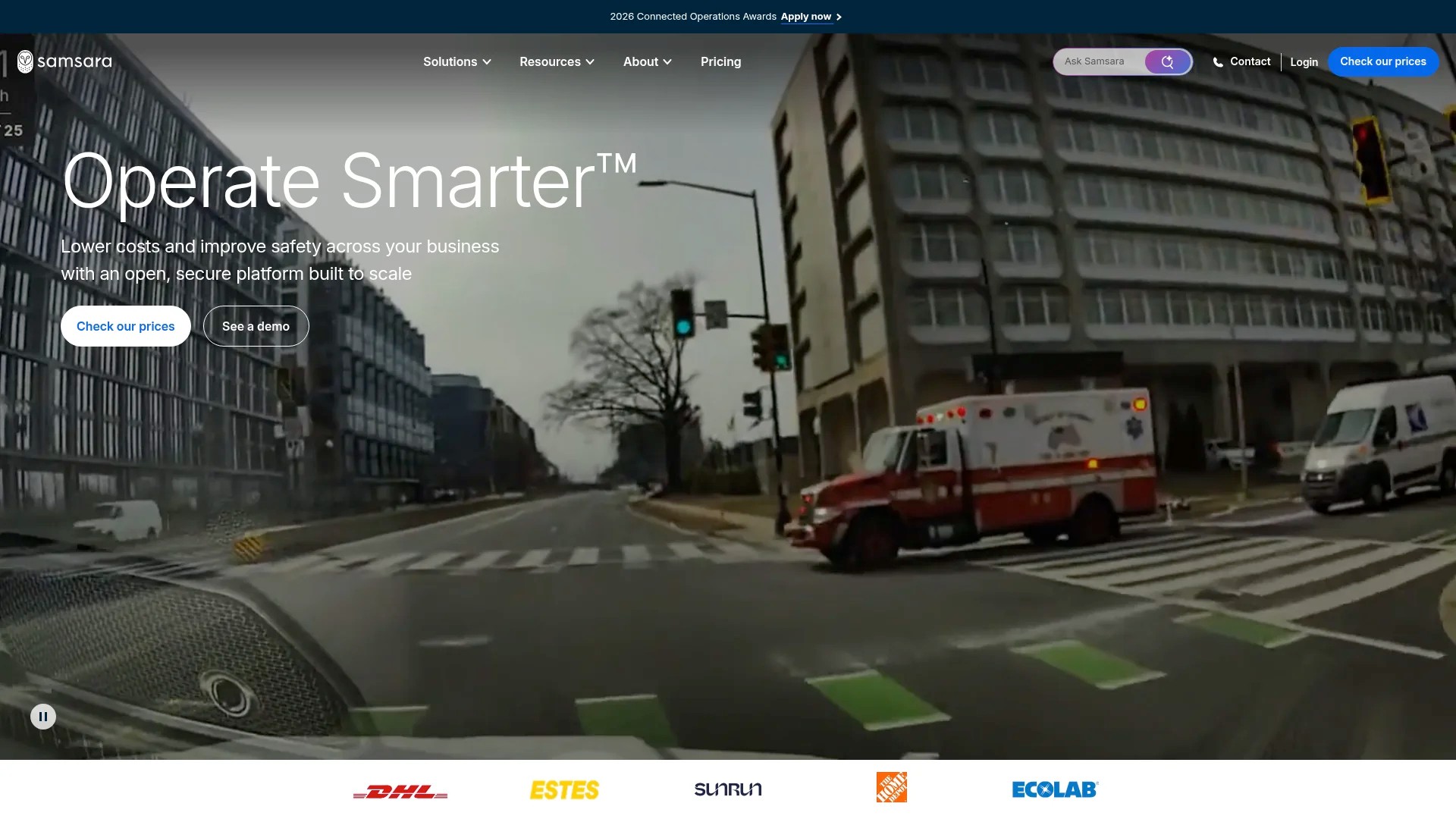
Use generative AI to analyze incident reports and extract common themes. This identifies systemic issues that individual report reviews might miss.
Deploy predictive maintenance systems that analyze vehicle sensor data to identify mechanical issues before they cause breakdowns or incidents.
Digital Compliance Management Platforms
Compliance management software centralizes safety documentation and automates tracking. These platforms ensure you can demonstrate compliance during audits and investigations.
Select systems that manage driver qualifications, vehicle inspections, maintenance schedules, training records, and incident investigations in one platform.
Configure automated reminders for expiring licenses, due inspections, and scheduled training. This prevents compliance gaps from arising.
Ensure your platform generates audit-ready reports. Regulators expect immediate access to compliance documentation during inspections.
Step 5: Develop Training and Education Programs
Training programs build the knowledge and skills your workforce needs to operate safely. Effective transportation safety policy implementation requires everyone to understand both what to do and why it matters.
Design training that addresses specific risks identified in your assessment. Generic safety training rarely changes behavior. Targeted training focused on your operation’s actual hazards does.
Induction Training for New Employees
New employee induction establishes safety expectations from day one. Cover your transport safety policy, key procedures, and reporting requirements before new hires begin operational work.
Include practical demonstrations, not just classroom content. Show new drivers how to conduct pre-start inspections, use telematics systems, and report incidents.
Assign experienced mentors to new employees for their first month. Peer learning reinforces training content and helps new hires integrate into your safety culture.
Verify understanding through practical assessments. Observe new employees performing safety-critical tasks and provide immediate feedback.
Ongoing Safety Education
Regular refresher training maintains safety awareness and introduces new procedures. Schedule formal safety training at least annually for all employees.
Use toolbox talks for brief, focused safety discussions. Fifteen-minute sessions on specific topics like fatigue management or severe weather driving keep safety front-of-mind.
Share lessons learned from incidents and near misses. Distribute monthly safety bulletins highlighting what happened, why it happened, and how to prevent recurrence.
Rotate training delivery methods to maintain engagement. Mix classroom sessions, e-learning modules, practical exercises, and group discussions.
Specialized Training for High-Risk Operations
Identify operations requiring additional training. Hazardous materials transport, oversized loads, and operation in extreme conditions all demand specialized knowledge.
Provide advanced driver training for employees operating in challenging environments. Defensive driving courses, skid control training, and emergency response preparation reduce incident risk.
Ensure training meets regulatory requirements. Many jurisdictions mandate specific training for certain vehicle types or cargo categories.
Step 6: Create Robust Reporting and Communication Systems
Reporting systems capture the information you need to manage safety effectively. Communication systems ensure this information reaches the people who need it when they need it.
Design reporting processes that are simple, accessible, and non-punitive. Complex reporting discourages participation. Fear of blame suppresses reporting entirely.
Incident and Near-Miss Reporting Protocols
Establish clear procedures for reporting incidents and near misses. Specify what constitutes a reportable event, how to report it, and the expected timeline for reporting.
Provide multiple reporting channels. Online forms, phone hotlines, and direct supervisor reporting give employees options that suit different situations.
Implement a just culture approach that distinguishes between human error, at-risk behavior, and reckless behavior. Punish only the latter while using the first two as learning opportunities.
Acknowledge every report and provide feedback on actions taken. This demonstrates that reporting matters and encourages future participation.
Safety Data Communication Strategies
Share safety performance data regularly with all stakeholders. Monthly safety briefings keep everyone informed about progress toward objectives and emerging risks.
Visualize data to make it accessible. Dashboard displays showing key metrics are more engaging than spreadsheets.
Tailor communication to different audiences. Executives need summary-level insights. Supervisors need detailed information about their teams. Drivers need feedback on their individual performance.
For more detailed guidance on implementation, see our comprehensive guide to implementing a safety management system.
Stakeholder Engagement Mechanisms
Engage stakeholders throughout the transport safety policy development process. Drivers, supervisors, maintenance staff, and customers all have perspectives that improve policy effectiveness.
Conduct regular safety committee meetings with representation from different operational areas. These forums discuss safety performance, review incident investigations, and propose improvements.
Survey employees annually about safety culture and policy effectiveness. Use this feedback to refine your approach.
Step 7: Ensure Regulatory Compliance and Documentation
Compliance requirements provide the minimum standard your transport safety policy must meet. Effective policies exceed these minimums while maintaining rigorous documentation to demonstrate compliance.
Understanding applicable regulations is foundational. Transportation safety regulations vary by jurisdiction, vehicle type, and cargo. Identify all requirements that apply to your operation.
Compliance Audit and Assessment Processes
Conduct internal compliance audits quarterly to identify gaps before external audits occur. Use structured checklists covering all regulatory requirements.
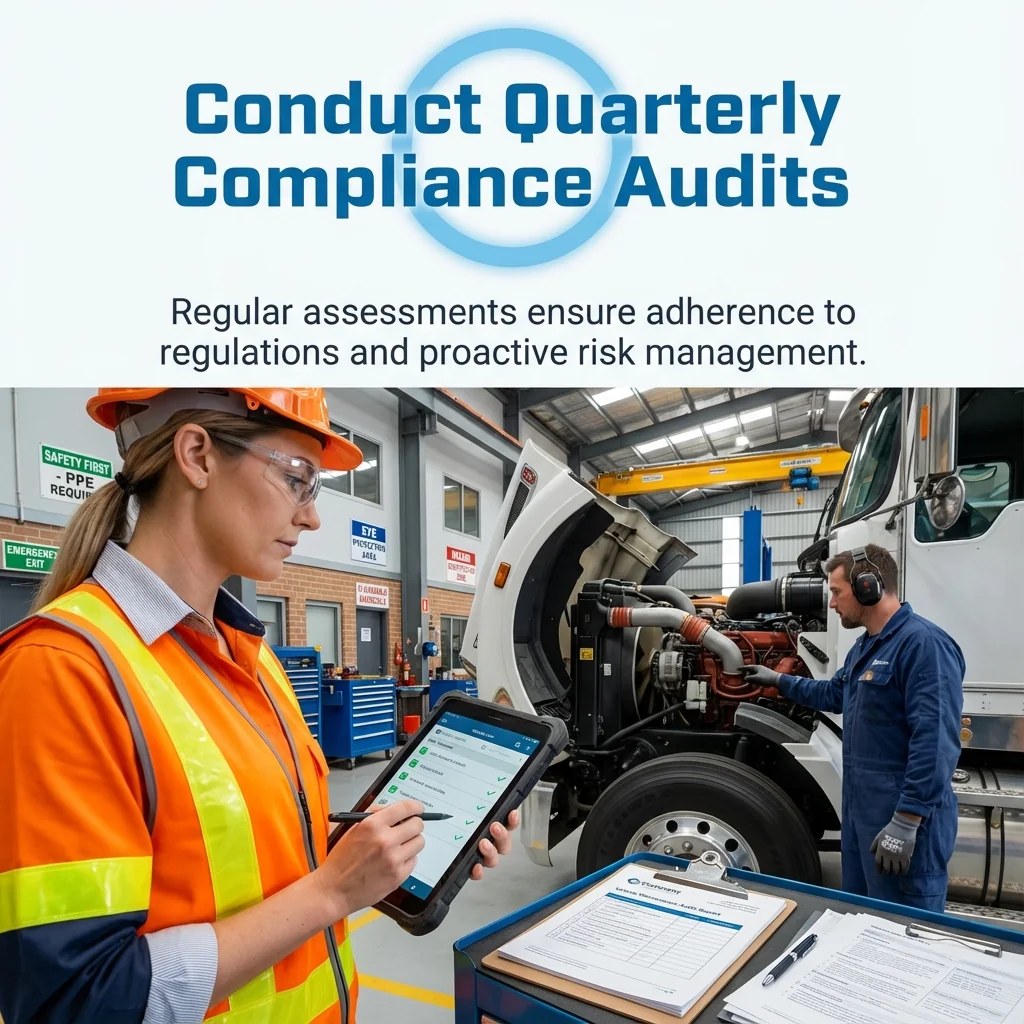
Review driver qualification files, vehicle inspection records, maintenance logs, training documentation, and incident reports during audits. Verify both that required activities occurred and that documentation proves it.
Address identified gaps immediately. Create corrective action plans with specific responsibilities and deadlines.
Engage external auditors annually for independent verification. External perspectives often identify issues internal auditors miss.
Explore our guide on understanding chain of responsibility for detailed compliance insights specific to Australian operations.
Documentation Management Systems
Maintain organized, accessible documentation for all safety-related activities. Your ability to produce required records on demand demonstrates management commitment and protects against regulatory penalties.
Implement document control procedures specifying how to create, approve, distribute, revise, and retire safety documents. Version control prevents confusion about which policy version is current.
Digitize documentation where possible. Electronic systems support better organization, easier retrieval, and automatic retention management.
Back up all safety documentation regularly. System failures shouldn’t compromise your ability to demonstrate compliance.
Continuous Improvement Mechanisms
Your transport safety policy should evolve as your operation changes and new risks emerge. Build review and revision processes into the policy itself.
Schedule formal policy reviews annually. Evaluate whether objectives remain appropriate, procedures reflect current operations, and documentation requirements support both compliance and improvement.
Review policy after significant incidents to determine whether policy changes could prevent recurrence.
Monitor regulatory changes in your jurisdiction. Update your policy promptly when new requirements take effect.
Learn from common transport safety issues identified across the industry to proactively address emerging risks.
Key Questions About Transport Safety Policy Development
How to develop a safety policy?
Developing a safety policy requires a data-driven approach that identifies serious patterns, sets clear safety goals, and defines evidence-based strategies with assigned responsibilities and timelines. USDOT guidance on comprehensive safety action plans emphasizes using robust evidence, defined performance targets, and iterative review to embed safety into policy and investment decisions.
How to improve transportation safety?
Transportation safety improves through implementing comprehensive safety action plans that include infrastructural, behavioral, and operational safety projects aimed at preventing roadway fatalities and serious injuries. Systematically identifying high-risk roads and upgrading them using proven design and speed-management measures delivers measurable safety improvements.
What are the transportation safety principles?
Transportation safety operates on principles that treat safety as a public-health and systems problem. The framework encompasses safe roads, safe vehicles, safe speeds, safe road users, and effective post-crash response as mutually reinforcing pillars. These principles prioritize eliminating fatal and serious injuries rather than merely reducing incidents.
Moving Forward With Your Transport Safety Policy
Developing an effective transport safety policy requires systematic effort across multiple dimensions. You need leadership commitment backing the initiative, data-driven risk assessment identifying actual hazards, clear objectives providing direction, and technology solutions enabling monitoring.
Start with your highest-priority risks. Implement controls for critical safety issues first, then expand your program to address moderate and lower-priority risks.
Your transport safety policy is never finished. Continuous monitoring, evaluation, and improvement keep the policy relevant as operations evolve and new risks emerge.
The organizations that achieve superior transportation safety performance treat their policies as living documents that guide daily decisions, not compliance paperwork filed and forgotten. Make your policy accessible, train people to use it, and hold everyone accountable for following it.
Additional resources on effective transport safety strategies and best practices for safer operations provide further guidance for implementation.