
Supply chain risk management software provides organisations with digital tools to identify, assess, monitor, and mitigate risks across their entire supply network. These platforms track supplier performance, map multi-tier relationships, flag compliance gaps, and alert teams to potential disruptions before they impact operations. At their core, modern SCRM solutions transform fragmented supplier data into actionable intelligence, helping procurement and logistics professionals move from reactive problem-solving to proactive risk prevention across complex, global supply networks.
Over my 25 years working in supply chain environments across Australia and the UK, I’ve watched supply networks evolve from relatively straightforward regional relationships to intricate global webs involving hundreds of suppliers, sub-suppliers, and third-party providers. Managing risks in these networks manually became impossible years ago.
What changed everything was the shift from spreadsheets to purpose-built risk management platforms. These systems don’t just store vendor information; they actively monitor your entire supply ecosystem, identifying vulnerabilities you didn’t know existed.
This guide examines how supply chain risk management software actually works, what distinguishes effective solutions from basic vendor databases, and how organisations can select and implement tools that genuinely protect their operations.
The Supply Chain Risk Landscape in 2025
Supply chains face more concurrent threats today than at any point in recent history. Cyber attacks target supplier networks, geopolitical tensions disrupt logistics corridors, environmental events close manufacturing facilities, and regulatory requirements multiply across jurisdictions.
These risks don’t exist in isolation. A single supplier failure can cascade through multiple tiers, affecting dozens of end products. A compliance breach at a sub-supplier you’ve never directly contracted with can still land your organisation in regulatory trouble.
McKinsey’s 2025 survey finds that tariffs are a top-of-mind issue for global supply chain leaders, reflecting how quickly new risk categories can emerge and dominate strategic planning.
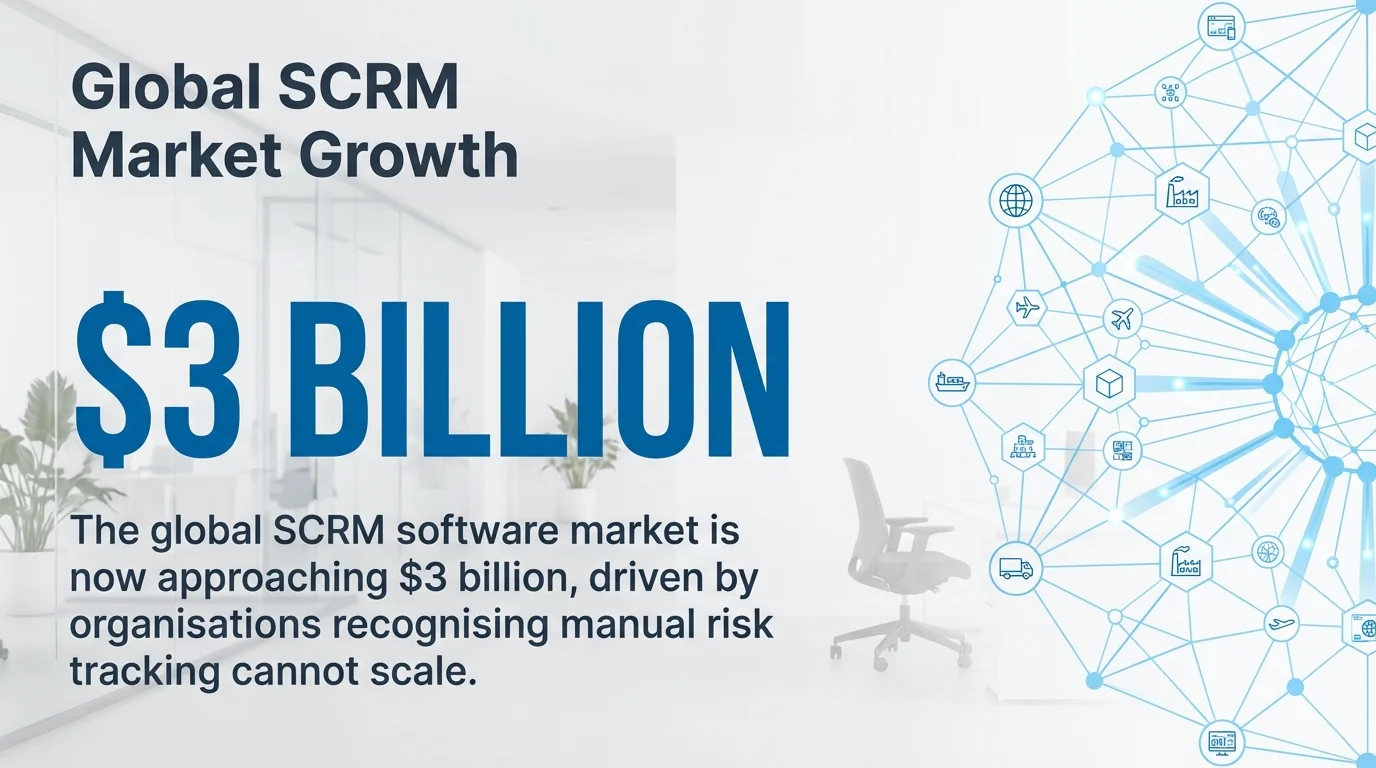
The supply chain risk management software market has grown substantially to meet these challenges. The global SCRM software market is now approaching $3 billion, driven by organisations recognising that manual risk tracking simply cannot scale to meet modern supply network complexity.
Why Traditional Risk Management Methods Fall Short
Spreadsheets and email chains cannot keep pace with supply networks that span continents and involve thousands of entities. By the time you manually gather information about a supplier issue, the problem has often already impacted production.
Traditional approaches also struggle with visibility beyond first-tier suppliers. You might know your direct vendors well, but what about the sub-contractors they rely on? What about the raw material suppliers three or four tiers removed from your purchase orders?
When I managed procurement budgets exceeding $20 million, the challenge wasn’t just knowing who we contracted with directly. It was understanding the entire dependency chain and where single points of failure existed in networks we didn’t fully control.
The Technology Response to Supply Chain Complexity
Modern SCRM software emerged specifically to address these visibility and monitoring gaps. These platforms aggregate data from multiple sources, apply analytics to identify patterns and anomalies, and provide centralised dashboards that show risk exposure across your entire supply network.
The most capable systems now incorporate artificial intelligence to scan news sources, financial reports, weather data, and regulatory databases, automatically flagging potential threats before they materialise into actual disruptions.
This shift from manual tracking to automated monitoring represents a fundamental change in how organisations approach supply chain risk. Instead of reacting to problems, procurement and logistics teams can now anticipate issues and activate contingency plans proactively.
Core Categories of Supply Chain Risk
Understanding what you’re managing is the first step to selecting appropriate software tools. Supply chain risks generally fall into several distinct but interconnected categories, each requiring different monitoring approaches and mitigation strategies.
Operational and Supplier Performance Risks
These risks relate directly to supplier capability and reliability. Can your vendors consistently deliver quality products on schedule? Do they have adequate capacity to meet your demand fluctuations? What happens when they experience equipment failures or labour shortages?
Operational risks often provide the earliest warning signs of supplier distress. Delivery delays, quality issues, and communication breakdowns typically precede more serious problems like financial instability or operational shutdowns.
Effective SCRM software tracks these performance indicators automatically, comparing actual delivery times against contractual commitments, monitoring quality metrics, and flagging declining performance trends before they become critical failures.
Cybersecurity and Data Risks
Your supply chain is only as secure as its weakest link. When suppliers access your systems, handle your data, or integrate with your IT infrastructure, their cybersecurity practices directly affect your risk exposure.
Third-party data breaches have become a major source of organisational vulnerability. A supplier’s compromised systems can provide attackers with pathways into your network, exposing sensitive information and disrupting operations.
Supply chain risk management platforms increasingly include cybersecurity assessment modules that evaluate supplier security practices, monitor for data breach incidents, and track compliance with information security standards.
Financial and Credit Risks
Supplier financial instability can appear suddenly, especially during economic downturns or industry disruptions. When a critical supplier encounters financial difficulties, your operations face immediate threats from supply interruptions, quality compromises as they cut costs, or complete business failure.
Financial risk monitoring examines supplier credit ratings, payment patterns, profitability trends, and debt levels. Advanced systems analyse financial statements automatically, alerting procurement teams when financial indicators suggest increasing distress.
This category also includes currency risks for international suppliers, where exchange rate fluctuations can dramatically affect costs and supplier viability.
Geopolitical and Regulatory Risks
Political instability, trade disputes, sanctions, and changing regulations create supply chain vulnerabilities that extend far beyond individual supplier performance. These macro-level risks affect entire regions or industry sectors simultaneously.
Modern SCRM software monitors geopolitical developments, tracking trade policy changes, sanctions lists, and regulatory updates across the jurisdictions where your suppliers operate. When new compliance requirements emerge, these systems help identify which suppliers might be affected and what actions your organisation needs to take.
For organisations operating in Australia under regulations like the Heavy Vehicle National Law, managing regulatory compliance across transport providers represents a specific application of this broader geopolitical risk category.
Environmental and Climate Risks
Weather events, natural disasters, and longer-term climate shifts increasingly disrupt supply networks. Facilities located in flood zones, hurricane paths, or regions experiencing water scarcity face elevated risks that can affect your supply continuity.
Environmental risk assessment involves mapping supplier locations against climate hazard data, monitoring weather forecasts for regions where critical suppliers operate, and tracking environmental compliance issues that might force facility closures.
These risks often interact with other categories; climate events can trigger financial distress for affected suppliers, while environmental regulations create compliance requirements that some suppliers struggle to meet.
Essential Features of Effective SCRM Software
Not all supply chain risk management platforms offer the same capabilities. Understanding which features genuinely matter helps organisations evaluate solutions against their specific risk profiles and operational requirements.
Multi-Tier Supplier Visibility and Mapping
The ability to see beyond your direct suppliers into second, third, and fourth tiers represents perhaps the most critical SCRM capability. Most supply disruptions originate several tiers deep in the supply network, at sub-suppliers you don’t contract with directly but depend on indirectly.
Effective platforms create visual maps showing supplier relationships and dependencies. You can see which first-tier suppliers rely on the same second-tier manufacturer, identifying single points of failure that wouldn’t be obvious from procurement records alone.
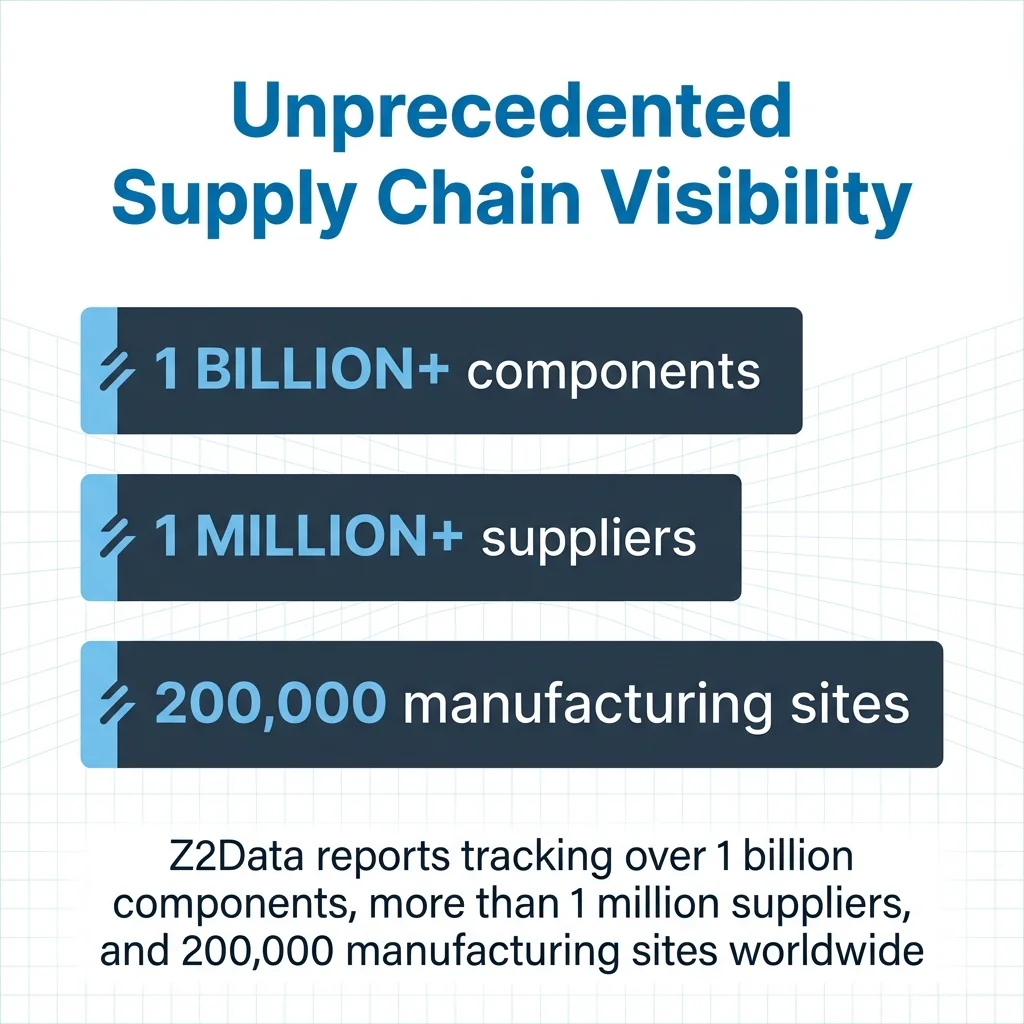
Z2Data reports tracking over 1 billion components, more than 1 million suppliers, and 200,000 manufacturing sites worldwide, illustrating the scale of visibility that modern platforms can provide.
This depth of visibility allows procurement teams to ask informed questions: What happens if this specific sub-supplier experiences problems? Which of our products would be affected? Do we have alternative supply paths, or would we face immediate production stoppages?
Real-Time Monitoring and Alert Systems
Supply chain risks don’t wait for your quarterly supplier reviews. Events unfold rapidly, and effective response requires immediate awareness when problems emerge.
Quality SCRM platforms monitor multiple data sources continuously: news feeds, financial databases, weather services, regulatory announcements, and logistics tracking systems. When predefined risk triggers occur, the system generates alerts so responsible teams can begin response protocols immediately.
Alert systems should be configurable to your organisation’s risk tolerance and operational priorities. Not every potential issue requires immediate executive attention, but critical suppliers or high-impact risks need rapid escalation paths.
Risk Assessment and Scoring Frameworks
With hundreds or thousands of suppliers, organisations need systematic ways to prioritise risk management efforts. Risk scoring provides this prioritisation by evaluating each supplier against multiple risk factors and generating comparative ratings.
Effective scoring frameworks consider supplier criticality to your operations, the availability of alternatives, the supplier’s inherent risk factors, and your current risk mitigation measures. The combination produces actionable intelligence about where to focus attention and resources.
These assessments shouldn’t remain static. Continuous monitoring should update risk scores as conditions change, reflecting evolving threats and improving or deteriorating supplier performance.
Vendor Onboarding and Due Diligence Workflows
Risk management begins before you sign contracts. SCRM platforms increasingly include structured onboarding processes that ensure new suppliers undergo appropriate due diligence before joining your supply network.
These workflows guide teams through risk assessments, document collection, compliance verification, and approval processes. Standardised onboarding ensures consistent risk evaluation across all suppliers regardless of which procurement team manages the relationship.
Documentation collected during onboarding feeds into ongoing monitoring, creating a baseline against which future performance and risk indicators can be measured.
Compliance Management and Regulatory Tracking
Regulatory requirements affecting supply chains multiply continuously. Environmental standards, labour practices, trade compliance, data protection, and industry-specific regulations all create obligations that extend through your supplier network.
Vendor risk management platforms provide centralized assessment, monitoring, and reporting of third-party risks, helping organisations track supplier compliance across multiple regulatory frameworks simultaneously.
Effective compliance modules maintain current regulatory requirements, map which suppliers must meet specific standards, track certification status and expiration dates, and alert teams when suppliers fall out of compliance.
Integration Capabilities with Existing Systems
SCRM software doesn’t operate in isolation. These platforms need to connect with your enterprise resource planning systems, procurement platforms, logistics management tools, and financial systems to access the data necessary for effective risk monitoring.
Strong integration capabilities reduce manual data entry, ensure information consistency across systems, and enable automated workflows that span multiple platforms. When a risk alert triggers, integrated systems can automatically adjust procurement schedules, notify affected teams, and update financial forecasts.
AI and Advanced Technology in Modern SCRM Tools
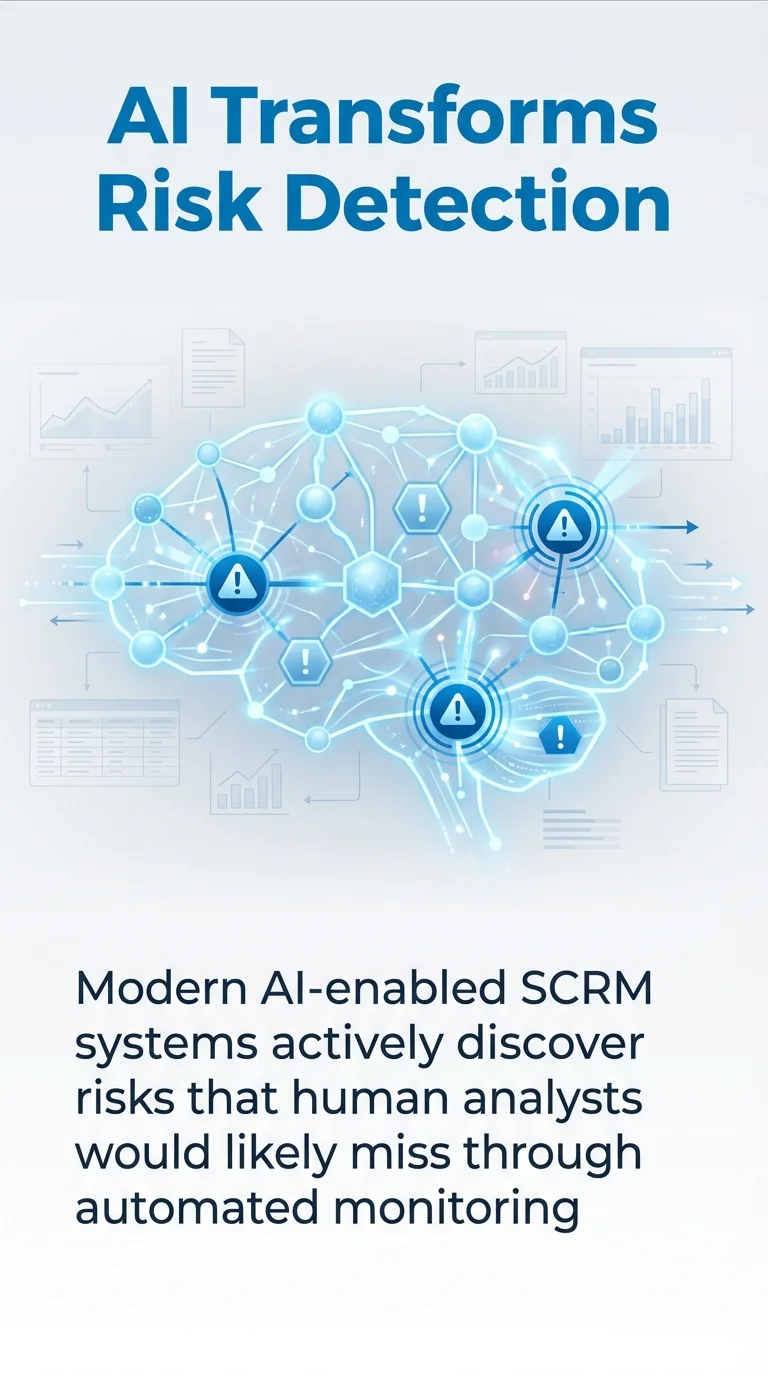
Artificial intelligence has fundamentally changed what supply chain risk management software can accomplish. Early platforms essentially provided better ways to organise supplier information; modern AI-enabled systems actively discover risks that human analysts would likely miss.
Predictive Analytics and Risk Forecasting
Machine learning algorithms analyse historical patterns in supplier performance, financial data, and external events to identify leading indicators of future problems. These systems can flag suppliers showing early warning signs of financial distress or operational challenges months before issues become critical.
Predictive capabilities extend to external risk factors as well. AI models process weather data, political developments, and economic indicators to forecast which regions or supplier categories face elevated risks in coming months.
This forward-looking intelligence allows procurement teams to develop contingency plans proactively rather than scrambling to respond when disruptions occur.
Natural Language Processing for News and Document Analysis
AI systems can process vast quantities of unstructured information, news articles, social media, regulatory filings, and public documents, far faster than human analysts. Natural language processing identifies mentions of suppliers, extracts relevant facts, and determines whether information represents significant risk signals.
This capability means your SCRM platform can monitor thousands of news sources in dozens of languages, flagging when suppliers appear in contexts suggesting operational problems, legal issues, financial difficulties, or reputational concerns.
Automated Network Mapping and Relationship Discovery
AI algorithms can identify supplier relationships and dependencies that aren’t documented in your procurement records. By analysing shipping data, business registrations, financial relationships, and supply chain disclosures, these systems map networks your organisation indirectly depends on.
This automated network discovery reveals hidden concentration risks where multiple first-tier suppliers unknowingly rely on the same sub-tier manufacturer, or where ostensibly independent suppliers share common ownership that creates correlated risk exposure.
Implementation Approaches for SCRM Software
Selecting supply chain risk management software represents only the first step. Successful implementation requires thoughtful planning, stakeholder engagement, and realistic timelines that allow for proper system configuration and user adoption.
Defining Your Risk Management Requirements
Before evaluating specific platforms, organisations need clear understanding of what risks matter most to their operations, which suppliers represent critical dependencies, and what risk management capabilities currently exist.
This assessment should involve stakeholders from procurement, logistics, operations, finance, legal, and executive leadership. Different functions often have distinct perspectives on supply chain risks, and effective SCRM implementation requires addressing these varied concerns.
Document your specific requirements: What types of risks do you need to monitor? How many suppliers and tiers must the system track? What regulatory compliance obligations affect your supply chain? What integration points with existing systems are mandatory?
Phased Deployment Strategies
Attempting to implement supply chain risk management software across your entire supplier base simultaneously often leads to poor data quality, inadequate user training, and stakeholder resistance.
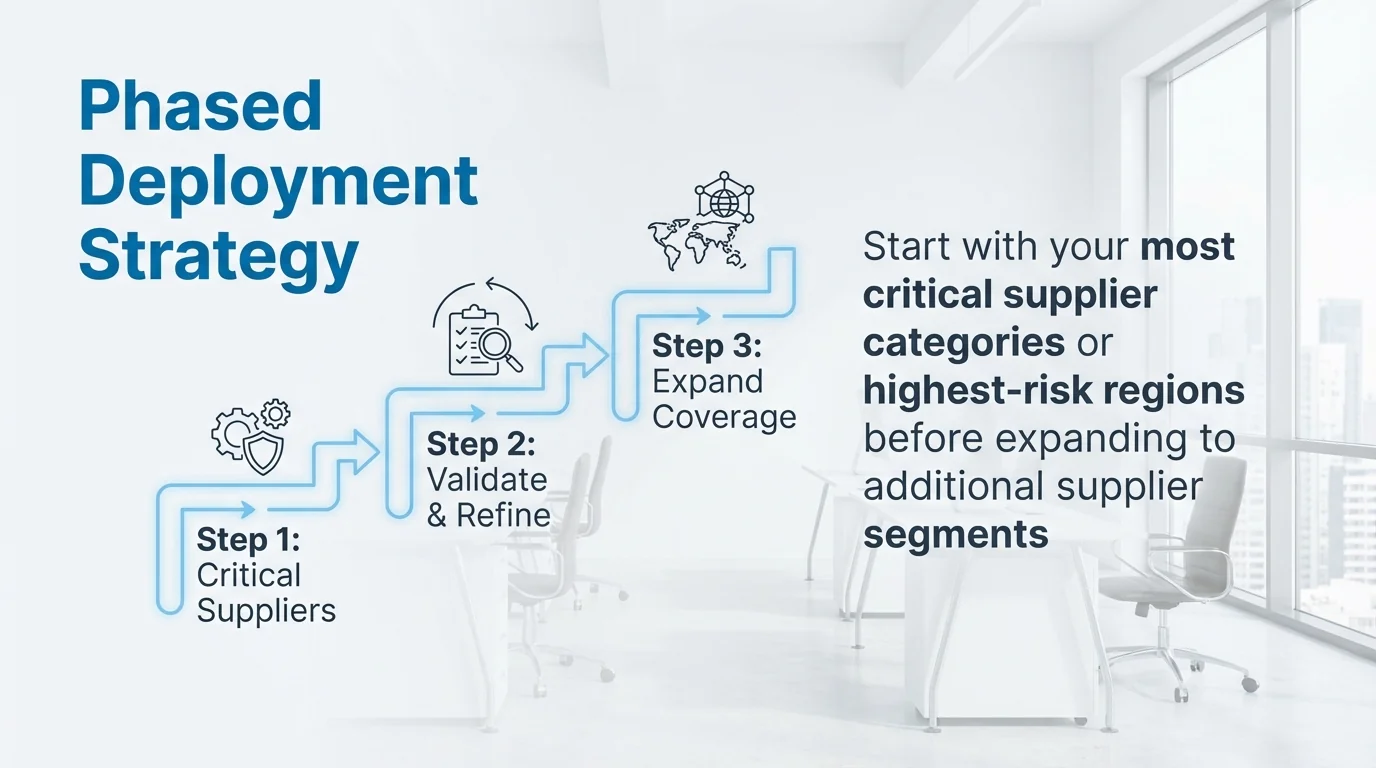
Phased approaches work better. Start with your most critical supplier categories or highest-risk regions. Establish processes, validate data quality, train users, and demonstrate value before expanding to additional supplier segments.
This approach allows your team to learn from early implementation experiences, refining workflows and configurations before scaling to your full supply network.
Data Quality and Supplier Engagement
SCRM software effectiveness depends entirely on data quality. Incomplete supplier information, outdated contact details, and inaccurate relationship mapping undermine even the most sophisticated risk analytics.
Plan for substantial data cleansing and validation efforts during implementation. You’ll likely discover gaps in your supplier records, inconsistencies between systems, and information that requires direct supplier engagement to verify or complete.
Some organisations require suppliers to self-register and maintain their information within the SCRM platform, shifting data management responsibility to the parties best positioned to keep information current.
User Training and Adoption Programs
New systems fail when users don’t understand their value or how to operate them effectively. Investment in training programs pays dividends through better system utilisation and faster time to value.
Training should address different user groups with tailored content. Procurement teams need detailed instruction on supplier onboarding and assessment workflows. Executives require dashboard training focused on risk reporting and decision support. Operations staff need alert response procedures.
Ongoing training matters as much as initial instruction. As system capabilities expand and new features become available, refresher training ensures users leverage the platform’s full potential.
Measuring SCRM Software Effectiveness
Organisations need concrete ways to assess whether supply chain risk management software delivers expected value. Clear metrics help justify continued investment and identify opportunities for improving risk management processes.
Risk Visibility and Coverage Metrics
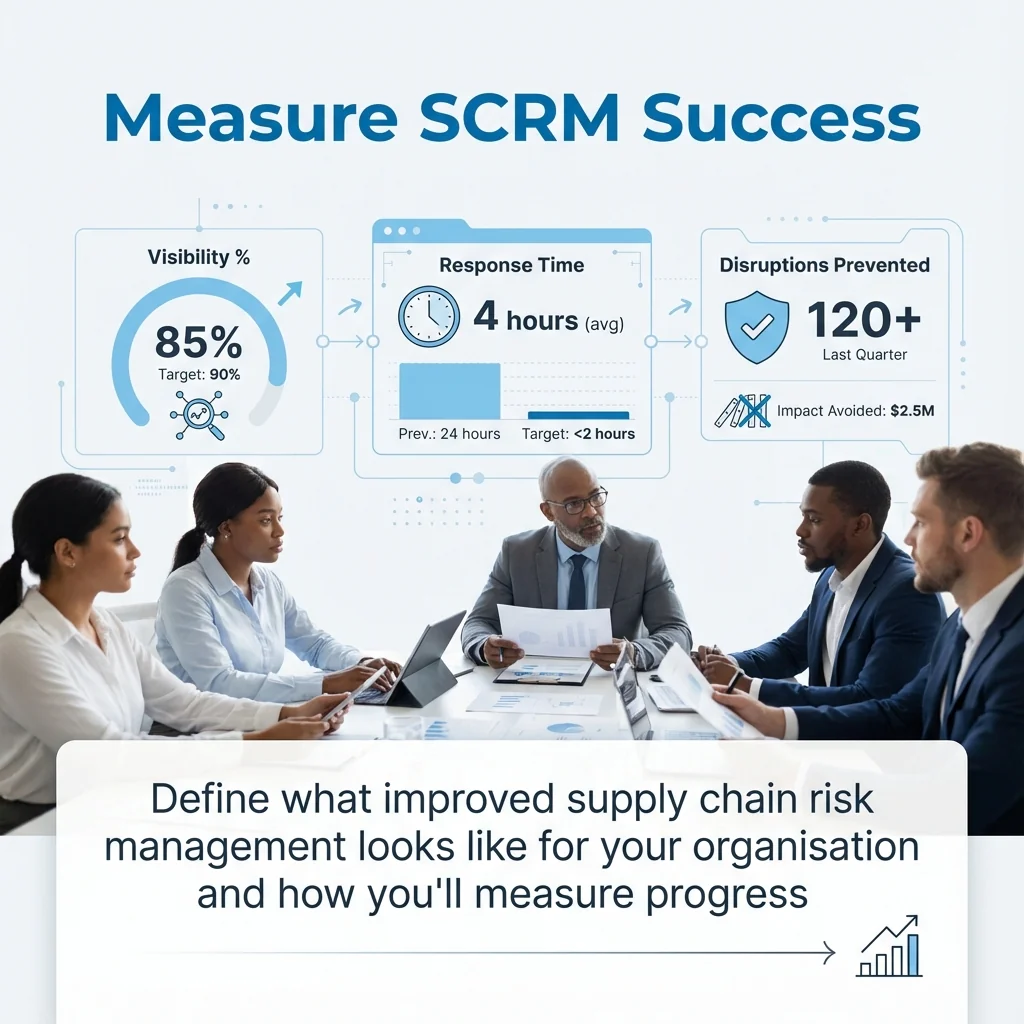
Basic measurement starts with tracking how much of your supply network the system monitors. What percentage of suppliers have completed risk assessments? How many tiers deep does your visibility extend? What portion of your procurement spend falls under active risk monitoring?
Expanding these coverage metrics over time indicates growing risk management maturity and more complete supply chain visibility.
Early Warning and Response Time Indicators
Effective SCRM platforms should identify risks before they disrupt operations. Track how often the system provides advance warning of supplier issues and how much lead time those alerts provide.
Measure response times from alert generation to risk assessment completion and from assessment to mitigation action. Improving these metrics indicates your organisation is becoming more agile in responding to supply chain threats.
Disruption Prevention and Cost Avoidance
The ultimate measure of SCRM software value is preventing supply disruptions that would otherwise occur. When the system identifies a risk and your team successfully implements mitigation measures, quantify the potential disruption cost you avoided.
These calculations require some estimation, but aggregating avoided costs over time demonstrates the business case for continued SCRM investment.
Compliance and Audit Performance
For organisations operating under regulatory requirements affecting their supply chains, SCRM software should improve compliance performance and simplify audit processes.
Track metrics like supplier compliance rates, audit finding frequency, and time required to produce compliance documentation. Improvements in these areas reflect the value of systematic, software-supported risk management processes.
Industry-Specific SCRM Considerations
While fundamental supply chain risk management principles apply across sectors, different industries face unique risk profiles that influence software requirements and implementation approaches.
Manufacturing and Component Sourcing
Manufacturers dealing with complex bills of materials and extensive component sourcing need SCRM platforms with strong part-level tracking capabilities. The system must map which suppliers provide specific components, what alternatives exist, and how component availability affects finished product production.
Quality risks take particular importance in manufacturing contexts. SCRM software should track supplier quality metrics, non-conformance incidents, and certification requirements specific to manufacturing standards.
Retail and Consumer Goods
Retail supply chains often involve numerous smaller suppliers, seasonal demand fluctuations, and significant reputational risks related to supplier labour practices and environmental performance.
SCRM platforms serving retail organisations need capabilities for managing large supplier populations efficiently, tracking ethical sourcing commitments, and responding rapidly to consumer safety concerns when product issues emerge.
Food and Pharmaceutical Industries
Highly regulated industries dealing with products directly affecting human health face stringent compliance requirements and elevated quality risks. Supply chain risk management in these sectors must accommodate detailed traceability requirements, temperature-sensitive logistics monitoring, and rapid response capabilities when contamination or quality issues occur.
SCRM software for these industries typically includes specialised modules for managing regulatory compliance, batch tracking, and recall management procedures.
Transport and Logistics Operations
Organisations operating in transport-intensive environments face distinct regulatory obligations related to chain of responsibility, vehicle safety, and driver management. For Australian businesses subject to Heavy Vehicle National Law, supply chain risk management extends to ensuring transport providers maintain appropriate compliance standards.
In these contexts, SCRM platforms might integrate with specialised compliance tools that track vehicle maintenance, driver qualifications, and loading procedures. This is where solutions like CoRGuard complement broader supply chain risk management by addressing transport-specific compliance requirements.
The principles underlying effective supply chain risk management apply regardless of industry, but practical implementation must account for sector-specific risks, regulations, and operational realities.
Building Supply Chain Resilience Through Software Tools
Supply chain risk management software ultimately serves a broader objective: building resilient supply networks that can withstand disruptions and maintain operational continuity through adverse events.
From Risk Identification to Business Continuity
Identifying risks represents the starting point, not the end goal. Effective SCRM implementation connects risk intelligence to actionable business continuity plans that specify exactly what your organisation will do when specific supply chain threats materialise.
Software platforms increasingly include scenario planning modules that allow teams to model “what if” situations. What happens if this supplier fails? Which products are affected? What alternative sources exist? How long would supply restoration take?
Working through these scenarios before disruptions occur dramatically improves response effectiveness when actual events unfold.
Supplier Collaboration and Risk Sharing
The most resilient supply chains involve active collaboration between buyers and suppliers around risk management. SCRM platforms can facilitate this collaboration by providing suppliers with visibility into your risk requirements and creating channels for two-way risk information sharing.
Some organisations extend system access to key suppliers, allowing them to update their risk profiles, report developing issues proactively, and access risk management resources the buyer provides.
This collaborative approach transforms supply chain risk management from a monitoring exercise into a partnership where all parties share responsibility for maintaining network resilience.
Continuous Improvement and Adaptive Risk Strategies
Supply chain risks evolve constantly as business environments change. Static risk management approaches quickly become outdated, missing emerging threats while continuing to monitor risks that have diminished in significance.
Effective SCRM software supports continuous improvement through regular risk reassessment, monitoring of new risk categories, and analytics that identify which mitigation strategies prove most effective.
Your risk management approach should mature alongside your experience and changing supply network. Platforms that support this evolution through flexible configuration, expanding data integration, and growing analytical sophistication provide lasting value beyond initial implementation.
Selecting the Right SCRM Software for Your Organisation
With numerous supply chain risk management platforms available, selecting the solution that best fits your organisation’s needs requires systematic evaluation against your specific requirements and operational context.
Evaluation Criteria and Selection Framework
Develop clear evaluation criteria before beginning vendor assessments. Consider factors like supplier coverage capability, the number of risk categories monitored, integration options with your existing systems, user interface design, reporting flexibility, and total cost of ownership including implementation services.
Weight these criteria according to your priorities. An organisation managing thousands of suppliers needs different capabilities than one with a concentrated supply base. Companies facing primarily geopolitical risks require different features than those concerned mainly with supplier financial stability.
Request demonstrations using your actual supplier data when possible. Generic product demos often showcase capabilities that don’t translate well to your specific supply network characteristics.
Vendor Capability and Support Assessment
Software selection isn’t just about platform features. Vendor capability to support implementation, provide ongoing technical support, and continue developing the platform matters enormously to long-term success.
Assess vendor expertise in your industry. Do they understand the specific risks and regulatory requirements affecting your sector? Can they provide relevant case studies and reference customers facing similar supply chain challenges?
Evaluate their implementation methodology and typical timelines. Vendors promising unrealistically rapid deployment often deliver poor outcomes with incomplete configuration and inadequate user training.
Total Cost and Value Considerations
SCRM software costs extend beyond licence fees. Factor in implementation services, data cleansing efforts, integration development, training programs, and ongoing support when calculating total investment requirements.
Balance these costs against the value you expect the system to deliver through disruption prevention, improved compliance, better supplier negotiations based on risk intelligence, and reduced risk management labour costs.
Consider starting with focused implementations that demonstrate value before expanding to full-scale deployment. This approach manages initial investment while proving business case for broader adoption.
Common SCRM Implementation Challenges and Solutions
Understanding typical implementation difficulties helps organisations anticipate problems and develop strategies to address them proactively.
Data Quality and Completeness Issues
Poor supplier data represents the most common SCRM implementation challenge. Missing information, outdated records, and inconsistent data across systems undermine risk analytics and monitoring effectiveness.
Address this through phased data cleansing programs that prioritise critical suppliers first. Engage suppliers directly in data validation processes. Build data quality metrics into your ongoing SCRM performance measurement.
Accept that perfect data is unattainable initially. Implement with the best data available, then systematically improve quality over time rather than delaying implementation until data perfection is achieved.
User Adoption and Change Management
New systems disrupt established workflows and require behaviour changes that many users resist. Procurement teams accustomed to managing supplier relationships through personal knowledge may question whether software-generated risk scores add value.
Counter resistance through early stakeholder engagement, clear communication about implementation benefits, training programs that demonstrate practical value, and executive support that establishes risk management expectations.
Identify and empower internal champions who can advocate for the new system, provide peer support during adoption, and communicate early wins that demonstrate value to skeptical colleagues.
Integration Complexity with Legacy Systems
Connecting SCRM platforms with older enterprise systems often proves technically challenging. Limited integration options, data format incompatibilities, and system performance concerns can complicate implementation.
Work closely with your IT team and SCRM vendor to develop realistic integration strategies. Prioritise the most critical data connections first. Consider whether some integrations might be deferred until after initial implementation is stable.
In cases where technical integration proves impractical, establish manual data transfer processes as interim solutions while planning longer-term integration development or system upgrades.
The Future of Supply Chain Risk Management Software
Supply chain risk management technology continues evolving rapidly. Understanding emerging capabilities helps organisations prepare for how risk management practices will develop in coming years.
Expanding AI Capabilities and Autonomous Risk Response
Current AI applications in SCRM focus primarily on risk identification and assessment. Future systems will increasingly incorporate autonomous response capabilities, automatically implementing predefined mitigation actions when specific risk triggers occur.
These autonomous responses might include automatically sourcing alternative suppliers when primary vendors experience disruptions, adjusting inventory levels based on predicted supply risks, or initiating emergency procurement procedures without human intervention.
Blockchain for Supply Chain Transparency
Blockchain technology promises enhanced visibility into multi-tier supply networks through distributed ledgers that track products and materials as they move through supply chains. This technology could provide unprecedented transparency into supplier relationships and product provenance.
SCRM platforms will likely integrate with blockchain networks, using distributed ledger data to validate supplier claims, verify product authenticity, and track compliance across complex supply networks.
Integration of ESG and Sustainability Risk Monitoring
Environmental, social, and governance considerations increasingly influence supply chain decisions. Regulations requiring supply chain sustainability reporting are expanding, and stakeholder expectations around ethical sourcing continue rising.
Future SCRM platforms will more fully integrate ESG risk monitoring, tracking supplier environmental performance, labour practices, governance standards, and sustainability certifications alongside traditional operational and financial risks.
Predictive Risk Intelligence Networks
Individual organisations monitor their own supply networks, but many risks affect multiple companies simultaneously. Emerging models involve shared risk intelligence networks where organisations collaborate to identify and track common supply chain threats.
These networks could provide early warning of emerging risks based on aggregated data from multiple organisations, improving predictive capabilities beyond what any single company could achieve independently.
Practical Steps to Begin Your SCRM Software Journey
For organisations considering supply chain risk management software implementation, concrete next steps help transform interest into action.
Begin with thorough assessment of your current risk management capabilities. Document how you currently identify, assess, and monitor supply chain risks. Identify gaps where manual processes fail to provide adequate visibility or where response times lag behind business needs.
Map your critical suppliers and identify which present the highest risk exposure. You don’t need to implement SCRM software for your entire supply base immediately. Starting with high-risk or business-critical suppliers allows you to demonstrate value while building internal expertise.
Engage stakeholders across procurement, operations, finance, legal, and executive leadership. Effective supply chain risk management requires cross-functional collaboration, and early engagement builds the organisational support necessary for successful implementation.
Develop a clear business case documenting the costs of supply chain disruptions your organisation has experienced, the risks you’re currently unable to monitor adequately, and the expected value from improved risk visibility and management. Quantify this value in terms executives understand, linking risk management to business continuity, revenue protection, and compliance objectives.
Research available SCRM platforms with particular attention to solutions serving your industry. Request demonstrations and reference conversations with organisations facing similar supply chain challenges. Evaluate vendor implementation methodologies and support capabilities, not just software features.
Consider whether your organisation would benefit from external expertise during platform selection and implementation. Consultants specialising in supply chain risk management bring implementation experience that helps avoid common pitfalls and accelerate time to value.
For organisations in transport-intensive sectors, examine how supply chain risk management integrates with specific compliance obligations like Australia’s Heavy Vehicle National Law. Resources like effective strategies for managing supply chain risks and essential checklists for managing supply chain risks provide frameworks that complement software implementations.
Plan for phased implementation that establishes core capabilities before expanding to advanced features or full supply base coverage. This approach manages risk in your risk management project while demonstrating value that justifies continued investment.
Establish clear success metrics from the outset. Define what improved supply chain risk management looks like for your organisation and how you’ll measure progress. These metrics guide implementation priorities and provide evidence of value delivery to stakeholders.
Moving From Reactive to Proactive Supply Chain Risk Management
Supply chain risk management software represents more than a technology investment. These platforms enable fundamental shifts in how organisations approach supply network resilience, moving from reactive problem-solving to proactive risk prevention.
The supply chains we manage today bear little resemblance to those from even a decade ago. Global networks, multi-tier dependencies, and accelerating change create risk landscapes that manual management approaches simply cannot address adequately.
Technology provides the visibility, monitoring capabilities, and analytical power necessary to manage modern supply chain complexity. But software alone doesn’t create resilient supply networks. Effective implementation requires clear risk management strategies, engaged stakeholders, quality data, and organisational commitment to systematic risk processes.
Organisations that successfully implement supply chain risk management software don’t just adopt new technology. They transform how they understand, assess, and respond to supply chain threats, building capabilities that provide competitive advantages through superior operational reliability.
The investment required for effective SCRM implementation, financial resources, management attention, and organisational change, delivers returns through avoided disruptions, improved compliance, better supplier relationships based on transparent risk expectations, and ultimately more resilient operations capable of maintaining performance through adverse conditions.
Your supply chain’s complexity won’t decrease. Risk categories won’t consolidate. The operating environment won’t become more stable. Supply chain risk management software provides the capabilities necessary to navigate this complexity successfully, protecting operations today while building resilience for whatever challenges emerge tomorrow.