
Supply chain risk management demands structured assessment frameworks, continuous monitoring systems, and diversified supplier networks to protect operations from disruption. The most effective approach combines proactive risk identification with technology-enabled visibility tools and supplier due diligence processes. Organisations that implement these practices systematically reduce operational disruptions, financial losses, and regulatory compliance issues.
This operational reality isn’t academic theory.
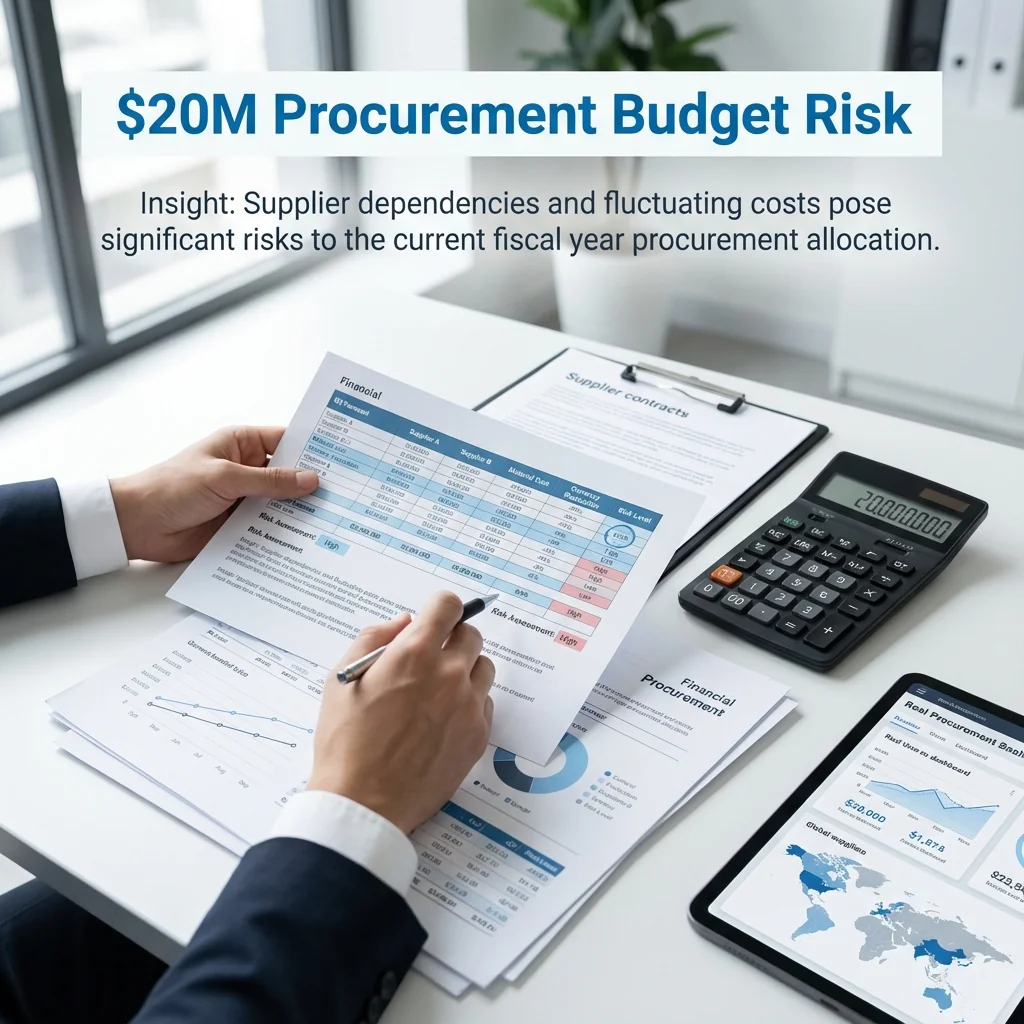
After 25 years working across FMCG environments in Australia and the UK, I’ve watched supply chains evolve from simple procurement exercises into complex networks with countless potential failure points. Managing procurement budgets exceeding $20m means understanding that every supplier relationship carries inherent risk. Every transport decision creates exposure. Every regulatory change demands response.
The Heavy Vehicle National Law under Chain of Responsibility provisions demonstrates how quickly regulatory frameworks evolve. What worked three years ago may no longer meet compliance standards today. Organisations need systematic approaches that address both immediate operational risks and emerging regulatory requirements.
This article provides practical guidance for building robust SCRM programs. You’ll understand essential risk identification methodologies, assessment frameworks including NIST and ISO 31000 standards, supplier due diligence processes, and continuous monitoring systems. These aren’t theoretical concepts but operational necessities for modern supply chains.
What Is Supply Chain Risk Management?
Supply chain risk management encompasses systematic identification, assessment, and mitigation of threats across procurement, logistics, manufacturing, and distribution networks. SCRM extends beyond traditional procurement oversight to address financial stability, geopolitical factors, cybersecurity threats, operational disruptions, and regulatory compliance requirements.
The scope includes both internal operational risks and external dependencies.
Third-party relationships create significant exposure. Vendor management requires ongoing assessment of financial health, capacity constraints, quality standards, and regulatory compliance. Supplier risk mitigation must address multiple dimensions simultaneously.
Modern SCRM integrates technology platforms, data analytics, and automated monitoring systems. These tools enhance visibility across complex networks. They enable early detection of emerging threats. They support proactive intervention before issues escalate into major disruptions.
Core Components of Supply Chain Risk Management
Effective SCRM programs require several interconnected components. Risk identification processes map potential threats across the entire supply network. Risk assessment frameworks evaluate likelihood and impact systematically. Risk mitigation strategies reduce exposure through diversification, redundancy, and contingency planning.
Continuous monitoring ensures ongoing visibility.
Supply chain resilience depends on building capacity to absorb disruptions without catastrophic failure. This requires backup suppliers, alternative transport routes, buffer inventory, and flexible production capacity. Resilience isn’t about preventing every problem but ensuring operations continue despite unexpected challenges.
Governance structures establish clear accountability for risk management activities. Senior leadership must own strategic risk decisions. Operational teams need clear protocols for day-to-day risk monitoring. Cross-functional collaboration ensures comprehensive coverage across procurement, logistics, legal, finance, and operations departments.
Why Supply Chain Risk Management Is Critical for Business Success
Supply chain disruptions directly impact revenue, customer satisfaction, brand reputation, and competitive position. Organisations without robust SCRM programs face increased vulnerability to operational failures, regulatory penalties, financial losses, and market share erosion.
The cost of inaction exceeds investment in prevention.
Financial implications extend beyond immediate disruption costs. Insurance premiums increase following incidents. Customer relationships suffer when delivery commitments fail. Legal liability emerges from regulatory non-compliance. Market value declines when investors lose confidence in operational stability.
Regulatory frameworks increasingly impose strict obligations on organisations to manage supply chain risks. The HVNL Chain of Responsibility provisions demonstrate this trend clearly. Executives face personal liability for systemic failures in risk management processes. Organisations need documented evidence of proactive risk management efforts.
Operational Benefits Beyond Compliance
Effective SCRM delivers operational advantages beyond avoiding problems. Enhanced visibility improves decision-making quality. Stronger supplier relationships provide competitive advantages during capacity shortages. Documented risk management processes support better credit terms and insurance rates.
Supply chain visibility creates strategic opportunities.
Organisations with robust monitoring systems identify efficiency improvements other companies miss. They spot emerging market trends earlier. They adapt faster to changing conditions. This operational intelligence becomes a competitive differentiator over time.
Safety culture improves when organisations implement systematic risk management approaches. Reduced incidents protect workforce wellbeing. Lower accident rates reduce costs. Improved safety performance strengthens customer confidence and supports business development efforts.
Types of Supply Chain Risks Organizations Face
Supply chains face diverse threat categories requiring different management approaches. Understanding risk types enables targeted mitigation strategies. Each category demands specific assessment methodologies and monitoring systems.
Operational and Capacity Risks
Operational disruptions include equipment failures, quality issues, production delays, and capacity constraints. These risks emerge from internal processes and direct supplier operations. Capacity limitations create bottlenecks during demand spikes or when alternative sources aren’t readily available.
Quality problems cascade through supply chains rapidly.
Manufacturing defects discovered late in production cycles create expensive rework requirements. Component failures in finished goods trigger warranty claims and reputation damage. Systematic quality audits and supplier qualification processes reduce these exposures significantly.
Transport and logistics risks include vehicle breakdowns, driver shortages, route disruptions, and regulatory compliance failures. The HVNL Chain of Responsibility framework makes organisations accountable for transport safety throughout their supply chains. This requires documented due diligence processes for all transport providers.
Financial and Commercial Risks
Supplier financial instability threatens continuity. Companies facing cash flow problems may fail to deliver committed volumes. Bankruptcy of key suppliers creates immediate crises requiring rapid alternative sourcing. Credit risk assessment must be ongoing, not just at initial vendor qualification.
Payment terms and pricing volatility impact profitability.
Long payment cycles create working capital pressures. Currency fluctuations affect international procurement costs. Commodity price volatility requires hedging strategies and flexible contract structures. Commercial disputes over quality, delivery, or payment terms disrupt established relationships.
Contract compliance failures expose organisations to liability. Service level agreements must include clear performance metrics and remediation processes. Indemnification clauses and insurance requirements transfer certain risks contractually. Legal review of supplier agreements ensures adequate protection.
Cyber Supply Chain Threats
Cybersecurity risks in supply chains include data breaches, system compromises, and malicious code insertion. Third-party access to organisational systems creates attack vectors. Supplier systems with inadequate security become pathways for hackers targeting larger organisations.
Technology-enabled visibility tools enhance early risk detection in supply chains but also create new vulnerabilities.
Software supply chain attacks compromise widely-used components. This affects all organisations using those dependencies. Cybersecurity standards like NIST SP 800-161 should be assessed for supply chain risk management to establish minimum security requirements.
Data privacy regulations impose obligations on organisations to ensure third-party data handling meets compliance standards. Supplier contracts must include clear data security requirements. Regular audits verify actual practices match contractual commitments. Incident response protocols establish clear procedures when breaches occur.
Geopolitical and Regulatory Risks
Trade policies, tariffs, sanctions, and regulatory changes create sudden disruptions. International supply chains face exposure to political instability, border restrictions, and changing compliance requirements. Geopolitical tensions between major economies affect sourcing strategies significantly.
Regulatory compliance requirements vary across jurisdictions.
Environmental regulations increasingly affect supply chain operations. ESG compliance and sustainability requirements influence supplier selection. Ethical sourcing obligations require verification of labour practices. Responsible procurement extends beyond financial and operational considerations to encompass broader social impacts.
The regulatory environment continues evolving rapidly. Organisations must monitor proposed legislation affecting their industries. Compliance frameworks need regular updates to reflect new requirements. Proactive engagement with regulators helps organisations prepare for upcoming changes rather than reacting after implementation.
The Supply Chain Risk Management Process Framework
Systematic SCRM requires structured processes consistently applied across the organisation. Ad hoc approaches leave gaps that create vulnerabilities. Documented frameworks ensure comprehensive coverage and enable continuous improvement through regular review cycles.
Risk Identification and Mapping
Risk identification begins with mapping the complete supply network. Document all suppliers, transport providers, warehousing facilities, and critical dependencies. Identify single points of failure where alternatives don’t exist readily. Assess geographical concentration risks where multiple suppliers operate in the same region.
Stakeholder consultation captures diverse perspectives.
Operations teams identify day-to-day vulnerabilities. Finance teams highlight payment and credit risks. Legal teams flag contractual and compliance exposures. Procurement teams understand supplier market dynamics. Cross-functional workshops ensure comprehensive threat identification.
Historical incident analysis reveals patterns. Review past disruptions to understand root causes. Identify near-misses that didn’t escalate but could have. Industry benchmarking shows common failure modes affecting similar organisations. This evidence-based approach grounds risk identification in operational reality.
Risk Assessment and Evaluation
Structured risk assessment frameworks are essential for supply chain risk management to prioritise threats systematically. Assessment evaluates both likelihood and potential impact. This enables organisations to focus resources on highest-priority risks rather than attempting to address everything simultaneously.
Likelihood assessment considers historical frequency, current conditions, and emerging trends.
Impact evaluation examines financial costs, operational disruption duration, customer satisfaction effects, regulatory compliance implications, and reputational damage. Quantitative analysis assigns numerical values where data supports it. Qualitative assessment captures risks difficult to quantify precisely.
Risk tolerance levels vary across organisations. Some industries accept higher risk for competitive advantages. Others prioritise stability over aggressive growth. Executive leadership must define organisational risk appetite clearly. This guides assessment teams in classifying risks appropriately.
ISO 31000 provides standardised risk assessment methodology. This international standard offers common terminology and systematic evaluation processes. Organisations adopting ISO 31000 frameworks benefit from recognised best practices and external verification options.
Risk Mitigation Planning
Mitigation strategies reduce either likelihood or impact of identified risks. Diversification spreads exposure across multiple suppliers. Redundancy creates backup capacity for critical functions. Contractual protections transfer certain risks to third parties through insurance or indemnification clauses.
Prevention measures address root causes.
Supplier development programs improve vendor capabilities. Quality audits identify issues before they cause disruptions. Training programs enhance workforce competency. Preventive maintenance reduces equipment failures. These proactive interventions reduce risk occurrence likelihood.
Contingency planning prepares response protocols for scenarios that can’t be prevented entirely. Alternative suppliers require advance qualification. Emergency communication procedures need documentation and testing. Business continuity plans specify recovery priorities and acceptable timelines.
| Risk Type | Mitigation Approach | Implementation Priority |
|---|---|---|
| Single supplier dependency | Multi-sourcing strategy | High |
| Geographical concentration | Regional diversification | High |
| Inadequate visibility | Technology platforms | Medium |
| Financial instability | Credit monitoring systems | High |
| Compliance gaps | Audit programs | Critical |
Monitoring and Review Systems
Risk profiles change continuously. New threats emerge while existing exposures evolve. Static risk assessments quickly become outdated. Continuous monitoring ensures organisations maintain current understanding of their risk landscape.
Performance indicators track leading indicators of potential problems.
Delivery performance metrics show emerging reliability issues. Quality defect rates signal production problems. Financial ratios highlight deteriorating supplier health. Lead time trends reveal capacity constraints. These indicators enable early intervention before issues escalate.
Regular review cycles update risk assessments systematically. Quarterly reviews suit most organisations. Critical suppliers may require monthly assessment. Annual comprehensive reviews evaluate overall program effectiveness and identify improvement opportunities.
Best Practice 1: Conduct Comprehensive Supplier Due Diligence
Supplier due diligence forms the foundation of effective vendor risk management. Thorough vetting before engagement prevents problems that prove expensive to resolve later. Due diligence extends beyond initial qualification to ongoing assessment throughout the relationship.
Financial Stability Assessment
Financial due diligence evaluates supplier viability. Request financial statements including balance sheets, income statements, and cash flow statements. Analyse key ratios including current ratio, debt-to-equity ratio, and profit margins. Credit reports from commercial agencies provide additional perspective.
Payment term history reveals financial stress indicators.
Suppliers requesting extended payment terms may face cash flow pressures. Frequent requests for advance payments signal potential problems. Banking relationships and credit facility availability indicate financial institution confidence levels.
Ownership structure affects stability. Family-owned businesses may lack succession plans. Private equity ownership often precedes restructuring. Understanding ownership helps predict strategic direction and commitment to specific market segments.
Operational Capacity Verification
Site visits verify operational capabilities match claimed capacity. Inspect production facilities, equipment condition, inventory management systems, and quality control processes. Observe workplace organisation and safety culture. These direct observations reveal operational reality beyond marketing materials.
Capacity utilisation levels indicate surge ability.
Suppliers operating at 95% capacity can’t easily accommodate volume increases. Seasonal demand patterns affect availability during peak periods. Alternative production facilities provide flexibility during disruptions. Understanding true capacity prevents overreliance on constrained suppliers.
Technology infrastructure affects efficiency and security. Modern systems enable better visibility and integration. Legacy systems may lack adequate cybersecurity protections. IT capabilities increasingly influence supplier selection as digital integration becomes standard.
Compliance and Certification Review
Regulatory compliance verification protects organisations from liability. Confirm suppliers hold required licenses, permits, and certifications. Review safety records and incident history. Verify insurance coverage meets contractual requirements.
Quality certifications indicate systematic management approaches.
ISO certifications demonstrate commitment to standardised processes. Industry-specific certifications show specialised capabilities. Certification audits by accredited bodies provide independent verification. Request copies of current certificates and audit reports.
For transport providers under HVNL Chain of Responsibility, verify compliance systems meet legislative requirements. Document driver qualifications, vehicle maintenance records, fatigue management processes, and loading procedures. This due diligence creates defensible evidence of reasonable steps to ensure safety.
Reference Checks and Market Reputation
Customer references provide performance insights. Speak with multiple references, not just those provided by the supplier. Ask specific questions about delivery reliability, quality consistency, responsiveness to issues, and relationship management.
Industry reputation extends beyond formal references.
Trade associations and industry networks offer informal intelligence. Competitors may share experiences with common suppliers. Market perception affects supplier behaviour and commitment levels. Strong reputations usually reflect consistent performance over time.
Online research reveals public information. News articles highlight significant incidents or achievements. Social media provides workforce satisfaction indicators. Legal databases show litigation history. This background research complements formal due diligence processes.
Best Practice 2: Implement Continuous Risk Monitoring and Assessment
Initial due diligence captures point-in-time conditions. Continuous monitoring detects changes that affect risk profiles. Automated systems enable scalable monitoring across large supplier networks without overwhelming resource requirements.
Performance Metrics and KPIs
Establish clear performance metrics for all critical suppliers. On-time delivery percentage tracks reliability. Quality defect rates measure consistency. Lead time variability indicates capacity stability. Response time to inquiries shows service commitment.
Threshold alerts trigger investigation when metrics deteriorate.
Set acceptable ranges for each metric based on business requirements. Configure automated alerts when performance falls outside acceptable limits. Escalation protocols ensure appropriate attention to developing problems. Supply chain risk management software platforms automate this monitoring efficiently.
Trend analysis reveals gradual deterioration missed by point measurements. Six-month rolling averages smooth short-term fluctuations. Year-over-year comparisons show seasonal patterns. Statistical process control techniques identify when variation exceeds normal bounds.
Financial Health Monitoring
Credit monitoring services provide ongoing updates on supplier financial conditions. Configure alerts for significant events including credit rating changes, late payments to creditors, legal judgments, or ownership changes. These indicators often precede operational disruptions.
Quarterly financial statement reviews track performance trends.
Request updated financial information from critical suppliers quarterly. Analyse changes in key ratios. Investigate significant shifts in revenue, profitability, or debt levels. Financial deterioration requires contingency planning even when current performance remains acceptable.
Payment behaviour to your organisation signals financial stress. Monitor days-to-pay trends carefully. Requests for payment term extensions warrant investigation. Partial payments or payment delays often precede more serious problems.
Compliance Audit Programs
Regular compliance audits verify ongoing adherence to contractual requirements and regulatory standards. Schedule audits based on risk levels. Critical suppliers require annual audits at minimum. Lower-risk vendors may need less frequent assessment.
Audit scope depends on specific risks.
Safety audits verify compliance with WHS legislation and industry standards. Quality audits assess process controls and defect prevention systems. Cybersecurity audits examine data protection and system security measures. Environmental audits confirm sustainability commitments.
Corrective action tracking ensures issues receive resolution. Document findings clearly. Establish timelines for remediation. Verify implementation of agreed corrective measures. Persistent non-compliance requires relationship reassessment or termination.
Market Intelligence and Environmental Scanning
Monitor external factors affecting supplier operations. Track regulatory changes in supplier jurisdictions. Follow geopolitical developments affecting supply routes. Understand commodity price movements influencing input costs.
Industry publications provide early warning signals.
Trade journals report market conditions, capacity changes, and technology developments. Industry associations publish research on emerging challenges. Competitor monitoring reveals market dynamics affecting shared suppliers. This intelligence enables proactive response to changing conditions.
Supplier communication channels support relationship management. Regular business reviews discuss performance, upcoming challenges, and capacity planning. Open dialogue strengthens partnerships. Suppliers often share advance warning of problems with valued customers.
Best Practice 3: Diversify Your Supplier Base and Build Redundancy
Single-source dependencies create catastrophic failure risks. Supplier diversification and nearshoring are practical tactics to reduce supply chain risk while maintaining operational efficiency and quality standards.
Multi-Sourcing Strategies
Develop alternative suppliers for critical components and services. Dual sourcing splits volume between two qualified vendors. This maintains competition while creating immediate backup capacity. Neither supplier controls the relationship completely.

Volume allocation requires strategic planning.
Maintain minimum volume thresholds with each supplier to retain commitment. Excessive fragmentation dilutes purchasing power and relationship strength. Balance diversification benefits against coordination complexity and volume leverage.
Alternative sources need active qualification. Verify capabilities thoroughly before relying on backup suppliers. Maintain current certifications and audit results. Place periodic orders to keep relationships active. Dormant alternatives may not respond effectively during crises.
Geographic Diversification
Regional concentration creates exposure to natural disasters, political instability, and infrastructure disruptions. Distribute supplier base across multiple geographical regions. This protects against localised events affecting entire supply networks.
Nearshoring reduces international supply chain risks.
Domestic or regional suppliers offer shorter lead times and simpler logistics. Regulatory compliance becomes more straightforward. Cultural and time zone alignment improves communication. Transport costs often decrease despite potentially higher production costs.
Geographical diversification must consider total cost implications. Evaluate landed costs including transport, inventory carrying costs, and quality risks. Factor responsiveness and flexibility advantages. Lowest unit price rarely represents true lowest total cost.
Vertical Integration Considerations
Selective vertical integration provides control over critical processes. In-house capability eliminates third-party dependencies for strategically important functions. This requires significant capital investment and operational expertise development.
Integration decisions balance control against focus.
Core competencies merit internal development. Commodity functions often suit outsourcing. Partial integration combining internal capability with external suppliers provides flexibility. This hybrid approach maintains supplier relationships while developing internal alternatives.
Make-versus-buy analysis must include risk factors beyond pure cost comparison. Control, quality assurance, intellectual property protection, and supply security warrant consideration. Strategic importance often justifies higher costs for critical components.
Inventory Buffer Strategies
Strategic inventory provides cushion against supply disruptions. Safety stock calculations must incorporate lead time variability and demand uncertainty. Critical components warrant higher inventory levels despite carrying costs.
Consignment arrangements shift inventory risk.
Vendor-managed inventory keeps stock available without ownership transfer until use. This improves cash flow while maintaining availability. Consignment suits high-value, slow-moving items where supplier proximity enables rapid replenishment.
Regional distribution centres position inventory closer to demand. This reduces dependence on single warehouse locations. Multiple distribution points provide redundancy when facility disruptions occur. Balanced network design optimises service levels against total costs.
Best Practice 4: Leverage Technology and Data Analytics
Technology platforms enable visibility and analysis impossible with manual processes. Data analytics reveal patterns and predict problems before they materialise. Investment in appropriate technology delivers significant return through improved decision-making and earlier intervention.
Supply Chain Visibility Platforms
Visibility tools track shipments, inventory levels, and production status in real-time. Cloud-based platforms integrate data from multiple sources. This consolidated view enables coordinated response across complex networks.
Transparency improves collaboration with suppliers.
Shared visibility platforms enable suppliers to see downstream demand. This supports better production planning and capacity allocation. Joint visibility reduces information asymmetry that causes misalignment and inefficiency.
Internet of Things sensors provide granular tracking. GPS monitors shipment locations precisely. Temperature sensors ensure cold chain integrity. Vibration monitors detect handling problems. This telemetry data enables immediate response to deviations from acceptable conditions.
Predictive Analytics and Risk Scoring
Machine learning algorithms analyse historical patterns to predict future risks. Financial distress models forecast supplier bankruptcy probability. Delivery performance algorithms predict late shipments. Quality prediction models identify defect risks.
Risk scoring systems prioritise attention systematically.
Automated scoring evaluates suppliers across multiple dimensions. Financial health, performance metrics, compliance status, and market conditions feed into composite scores. Regular score updates reflect changing conditions. High-risk suppliers trigger enhanced monitoring automatically.
Scenario modelling tests supply chain resilience under various disruption assumptions. Simulate natural disasters, supplier failures, demand spikes, or regulatory changes. Model results reveal vulnerabilities requiring mitigation. War-gaming different scenarios improves preparedness.
Collaboration and Communication Tools
Digital platforms facilitate supplier communication and document management. Centralised portals provide single access point for performance data, contracts, certifications, and audit reports. Version control ensures everyone works from current information.
Workflow automation streamlines approval processes.
Automated routing sends documents to appropriate reviewers. Escalation rules ensure timely decisions. Audit trails document approval history. This efficiency reduces administrative burden while improving control.
Collaborative planning and information sharing with suppliers improves crisis response capability significantly. Joint planning sessions align production schedules with demand forecasts. Shared capacity planning identifies constraints early. This partnership approach strengthens relationships while improving outcomes.
Cybersecurity Risk Management Tools
Cybersecurity assessment platforms evaluate supplier security posture. Questionnaires collect security practice information. Automated scanning detects system vulnerabilities. Threat intelligence services identify suppliers experiencing security incidents.
Security requirements must appear in contracts.
Specify minimum security standards including encryption, access controls, incident response procedures, and audit rights. Require evidence of compliance through certifications or third-party assessments. Material breaches must trigger contractual remedies including potential termination.
Incident response protocols establish clear procedures when breaches occur. Notification requirements ensure rapid communication. Containment procedures limit damage scope. Recovery processes restore normal operations systematically. Regular testing validates response effectiveness.
Best Practice 5: Establish Governance and Continuous Improvement
Sustainable SCRM requires executive commitment, clear accountability, and continuous program evolution. Governance structures ensure consistent application of risk management processes. Continuous improvement captures lessons from experience to strengthen future resilience.
Executive Leadership and Accountability
Board-level oversight demonstrates organisational commitment to supply chain risk management. Executive sponsors champion program development and resource allocation. Senior leadership owns strategic risk decisions including risk tolerance levels and major mitigation investments.
Cross-functional risk committees coordinate activities.
Representatives from procurement, operations, finance, legal, and other relevant functions ensure comprehensive perspective. Regular meetings review risk assessments, monitor mitigation progress, and decide resource allocation. Clear charter documents establish authority and responsibilities.
Individual accountability assigns specific responsibilities. Procurement owns supplier qualification and contract management. Operations manages production and logistics risks. IT handles cybersecurity threats. Finance monitors supplier financial health. This distributed ownership ensures expertise applies to appropriate risks.
Policy and Procedure Documentation
Written policies establish organisational standards for risk management activities. Policies define minimum requirements for supplier qualification, due diligence, ongoing monitoring, and audit frequency. Standard operating procedures provide step-by-step guidance for consistent implementation.
Documentation demonstrates due diligence efforts.
Regulatory compliance often requires evidence of systematic risk management. Documented policies and procedures show organisational commitment. Audit trails prove consistent application. This evidence protects against allegations of negligence when problems occur despite reasonable precautions.
Policy updates reflect regulatory changes and lessons learned. Annual review cycles ensure currency. Major incidents trigger immediate policy evaluation. Continuous refinement improves effectiveness over time.
Training and Capability Development
Workforce competency directly affects program effectiveness. Logistics management and procurement teams need training in risk identification and assessment methodologies. Operations personnel require understanding of monitoring systems and escalation protocols.
Role-specific training addresses particular responsibilities.
Procurement training covers supplier qualification, contract risk terms, and due diligence procedures. Operations training emphasises performance monitoring and issue escalation. Executive briefings focus on governance responsibilities and strategic decision-making.
Competency assessment verifies understanding. Testing confirms knowledge retention. Practical exercises develop application skills. Refresher training maintains capability as staff turnover and responsibilities change.
Performance Metrics and Program Assessment
Measure program effectiveness through relevant metrics. Track incident frequency and severity trends. Monitor risk identification and mitigation completion rates. Assess cost impacts of disruptions prevented. These metrics demonstrate program value and identify improvement opportunities.
Benchmark against industry standards.
Compare performance to similar organisations. Industry associations often publish benchmarking data. Third-party assessments provide independent evaluation. Gap analysis reveals areas requiring attention.
Continuous improvement captures lessons systematically. After-action reviews following incidents identify root causes and preventive measures. Success factors from well-managed situations inform best practices. This learning cycle strengthens program maturity progressively.
| Program Element | Key Performance Indicator | Review Frequency |
|---|---|---|
| Risk identification | Risks identified vs. materialised | Quarterly |
| Supplier performance | Delivery reliability percentage | Monthly |
| Audit completion | Scheduled vs. completed audits | Quarterly |
| Incident response | Resolution time metrics | Per incident |
| Training compliance | Staff training completion rates | Quarterly |
Implementing Your Supply Chain Risk Management Program
Effective implementation requires phased approach and realistic timelines. Attempting comprehensive transformation simultaneously overwhelms organisations and reduces success probability. Staged deployment builds capability progressively while delivering measurable improvements.
Phase 1: Assessment and Prioritisation
Begin with current state assessment. Map existing supplier relationships and identify critical dependencies. Document current risk management activities even if informal. Evaluate gaps between current practices and desired future state.
Prioritise based on business impact.
Focus initial efforts on highest-risk suppliers and most critical materials or services. Single-source dependencies affecting revenue-generating products warrant immediate attention. Regulatory compliance gaps require prompt remediation. Quick wins demonstrate program value and build stakeholder support.
Establish baseline metrics before implementing changes. Document current performance levels. Measure incident frequency and impact. This baseline enables demonstration of improvement over time.
Phase 2: Foundation Building
Develop core policies and procedures. Define supplier qualification requirements. Establish risk assessment methodologies. Create standard contract terms addressing key risks. Document escalation protocols for issues requiring management attention.
Select enabling technology platforms.
Evaluate software options against specific requirements. Consider integration with existing systems. Assess vendor stability and support capabilities. Pilot technologies with limited scope before enterprise-wide deployment. Fleet management systems often integrate with broader supply chain platforms.
Build initial competency through training programs. Develop internal expertise in risk assessment and mitigation planning. Create centres of excellence providing guidance to operational teams. External consultants can accelerate capability development during early stages.
Phase 3: Systematic Deployment
Roll out standardised processes across the supplier base. Complete formal risk assessments for all critical suppliers. Implement continuous monitoring systems. Execute planned audits and due diligence activities. Establish regular governance committee meetings.
Integration with existing processes reduces friction.
Embed risk considerations into procurement decision-making. Include risk assessments in sourcing decisions. Incorporate risk metrics into supplier scorecards. Make risk management part of standard operating procedures rather than separate activities.
Communication builds stakeholder understanding. Share program objectives and requirements clearly. Explain how risk management supports business goals. Provide regular progress updates. Celebrate successes and acknowledge challenges transparently.
Phase 4: Optimisation and Maturation
Refine processes based on operational experience. Eliminate unnecessary bureaucracy. Streamline effective procedures. Adjust risk thresholds based on actual outcomes. Continuous improvement becomes systematic practice.
Advanced capabilities emerge over time.
Predictive analytics replace reactive monitoring. Integrated planning with key suppliers prevents problems proactively. Collaborative relationships enable joint innovation. Risk management transforms from cost centre to competitive advantage.
Resilience testing validates preparedness. Conduct tabletop exercises simulating disruption scenarios. Test backup supplier activation procedures. Verify communication protocols work effectively under stress. These rehearsals identify weaknesses requiring attention before real crises.
Building Lasting Supply Chain Resilience
Supply chain risk management demands systematic approaches applied consistently over time. Quick fixes and reactive responses prove inadequate against increasingly complex threats. Organisations must invest in structured frameworks, enabling technology, workforce capability, and executive commitment.
The practices outlined here reflect operational reality, not academic theory.
After 25 years working across FMCG supply chains, I’ve seen approaches that work and methods that fail under pressure. Effective SCRM integrates risk considerations into daily operations rather than treating them as separate compliance exercises. The most resilient organisations make risk management part of their operational DNA.
Start with comprehensive supplier due diligence establishing solid foundation. Implement continuous monitoring detecting problems early. Diversify your supplier base eliminating single points of failure. Leverage technology enabling visibility and predictive analytics. Establish governance ensuring sustained commitment and continuous improvement.
Your specific implementation will reflect your industry, organisational size, and risk profile. The fundamental principles remain consistent. Begin assessment today. Prioritise highest-risk areas. Build capability systematically. Measure progress regularly. Adjust based on experience.
Supply chain disruptions will occur despite best efforts. The question isn’t whether problems arise but how quickly you detect and respond. Organisations with robust SCRM programs navigate disruptions successfully while competitors struggle. This operational resilience creates competitive advantage over time.
The investment required pales compared to costs of major supply chain failures. Revenue losses, customer defection, regulatory penalties, and reputation damage from preventable incidents far exceed program costs. View SCRM as essential operational infrastructure, not optional overhead.
Take the first step today. Assess your current practices. Identify critical gaps. Develop phased implementation plan. Secure executive sponsorship. Build the foundation for lasting supply chain resilience.