
Transport safety is built on three foundational pillars: trained drivers who understand defensive techniques and fatigue management, properly maintained vehicles with rigorous inspection protocols, and an organizational culture where leadership actively prioritizes safety over deadlines. These elements work together to reduce incidents across road networks, logistics operations, and fleet environments. When businesses implement structured training programs, enforce maintenance schedules, and empower their teams to speak up about hazards, the data shows measurable improvements in safety outcomes.
The stakes are substantial. Road traffic crashes cause approximately 1.19 million deaths each year worldwide, highlighting the critical need for systematic approaches to transport safety. Australian businesses operating heavy vehicle fleets face additional regulatory requirements under the Heavy Vehicle National Law, making structured safety practices both a legal obligation and a strategic advantage.

This article breaks down the practical steps organizations can take to improve transportation safety. You’ll find specific actions for driver training, vehicle maintenance, cargo securement, fatigue management, technology adoption, and emergency preparedness. Each section builds on the previous one, creating a systematic framework that transforms compliance requirements into operational strengths.
Why Safety Matters in Transportation and Logistics
Safety performance directly impacts business operations in measurable ways. Organizations with strong safety records experience lower insurance premiums, reduced vehicle downtime, improved employee retention, and stronger relationships with partners and clients.
The regulatory environment demands attention. Chain of Responsibility legislation in Australia holds all parties in the supply chain accountable for safety breaches. This means schedulers, loaders, consignors, and business owners share responsibility alongside drivers. A systematic approach to safety protects your organization from liability while improving operational efficiency.
Beyond regulatory compliance, safety culture influences recruitment and retention. Skilled drivers increasingly choose employers who demonstrate genuine commitment to their wellbeing. Equipment that’s properly maintained lasts longer and performs better. Routes planned with safety considerations reduce fuel consumption and delivery times.
The cost of incidents extends beyond immediate repairs and medical expenses. Investigations, regulatory responses, reputational damage, and potential legal proceedings create significant financial and operational burdens. Proactive safety investment delivers measurable returns through reduced incident rates and improved productivity.
Driver Safety and Training Programs
Driver capability forms the foundation of transport safety. Training programs should cover defensive driving techniques, hazard recognition, vehicle handling in adverse conditions, and emergency response procedures.
Structured training begins with comprehensive onboarding for new drivers. This includes vehicle familiarization, route-specific considerations, communication protocols, and understanding your organization’s safety policies. Regular refresher training keeps skills current and introduces new techniques as they develop.
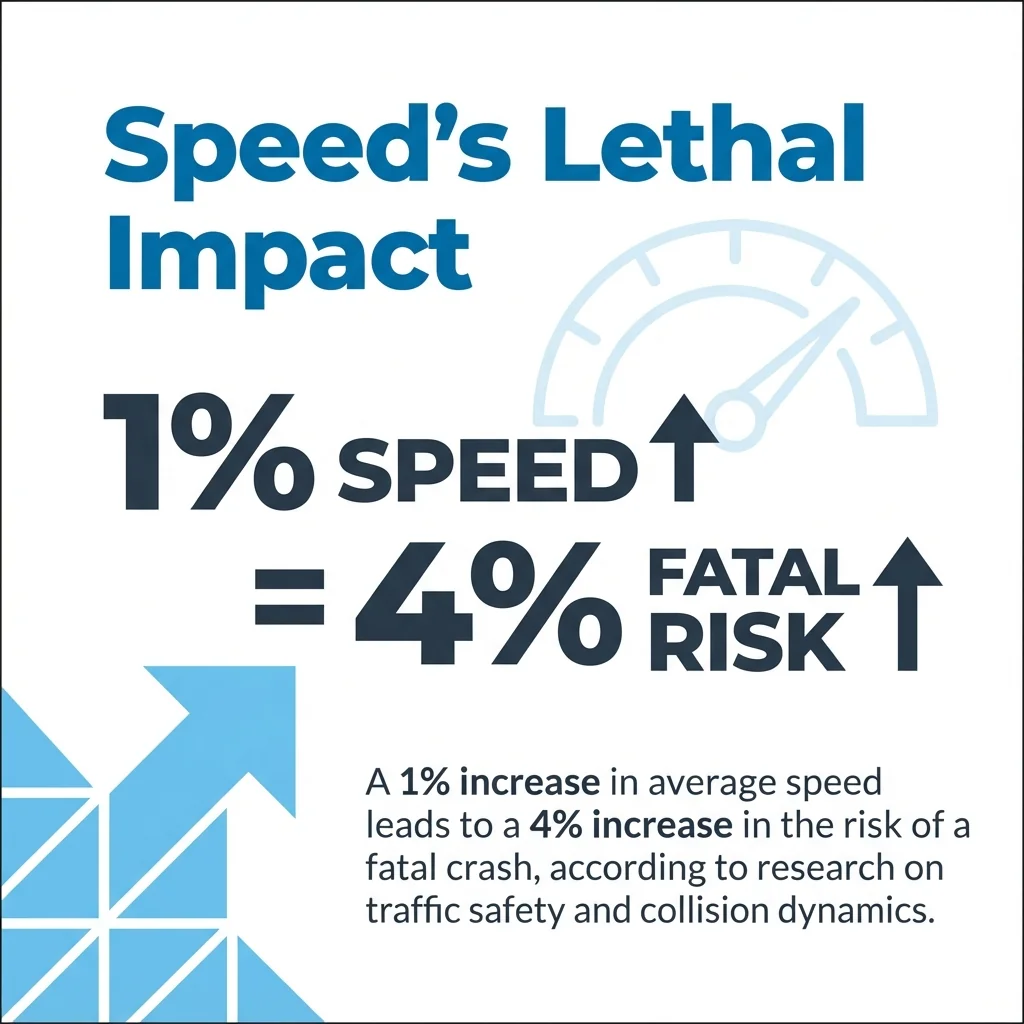
Defensive driving emphasizes anticipation and response strategies. Train drivers to maintain safe following distances, scan ahead for potential hazards, adjust speed for road conditions, and position vehicles for optimal visibility. A 1% increase in mean speed results in a 4% increase in fatal crash risk, demonstrating why speed management deserves focused attention in training programs.
Practical Training Components
Effective driver training programs include these elements:
- Pre-trip and post-trip inspection procedures with hands-on practice
- Load securement techniques specific to cargo types handled
- Hours of service regulations and fatigue recognition
- Technology systems used in fleet operations, including telematics and communication tools
- Incident reporting procedures and documentation requirements
Assessment should combine written knowledge tests, practical vehicle handling demonstrations, and ongoing performance monitoring. Driver scorecards that track metrics like harsh braking events, speed compliance, and idling time provide objective data for coaching conversations.
Create opportunities for experienced drivers to mentor newer team members. This knowledge transfer captures practical insights that formal training might miss while building team cohesion around safety values.
Vehicle Maintenance and Inspection Protocols
Vehicle reliability depends on systematic maintenance programs. Regular inspections identify developing issues before they cause breakdowns or safety hazards on the road.
Daily pre-trip inspections allow drivers to check critical systems before departure. This includes tire condition and pressure, brake function, lights and signals, fluid levels, steering response, and load securement. Post-trip inspections catch issues that developed during operation.
Scheduled preventative maintenance follows manufacturer recommendations for service intervals. Oil changes, filter replacements, brake inspections, and component replacements occur at specified mileage or time intervals. This prevents premature wear and identifies components approaching failure.
Critical Vehicle Systems
Focus maintenance attention on systems that directly impact safety:
| System | Inspection Focus | Maintenance Priority |
|---|---|---|
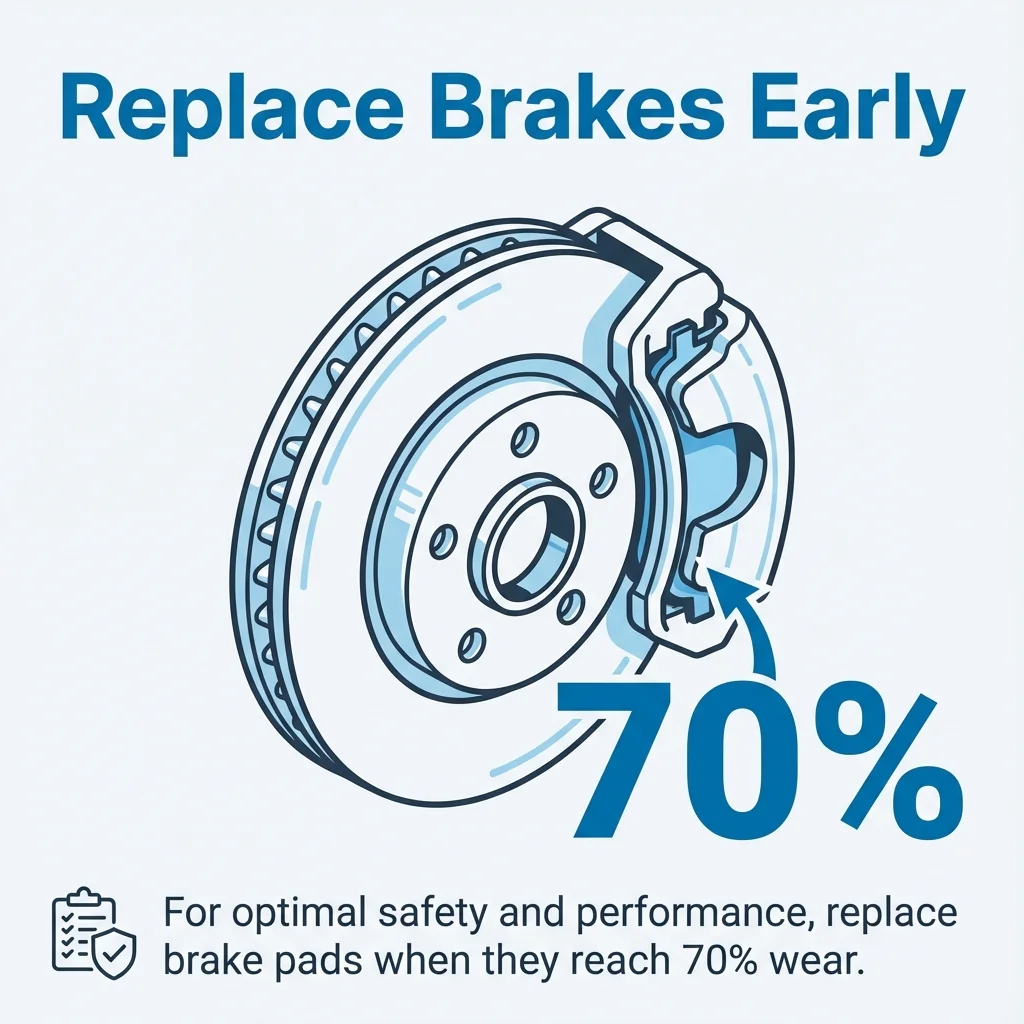
| Braking | Pad thickness, fluid condition, response time | High – Replace components at 70% wear |
| Tires | Tread depth, sidewall damage, pressure | High – Monitor weekly, replace at legal minimum |
| Steering | Response, alignment, linkage wear | High – Address issues immediately |
| Lighting | All signals, markers, headlights functional | Medium – Repair within 24 hours |
| Suspension | Spring condition, shock function, bushings | Medium – Schedule replacement proactively |
Documentation creates accountability and regulatory compliance. Maintain records of all inspections, repairs, and maintenance activities. Digital systems streamline this process while providing accessible history for regulatory audits.
When defects are identified, establish clear protocols for determining if the vehicle can safely continue operation or requires immediate repair. Empower drivers and maintenance staff to remove vehicles from service when safety is compromised, regardless of schedule pressures.
Load Securement and Cargo Safety
Properly secured cargo protects drivers, other road users, and the goods being transported. Unsecured loads cause vehicle instability, road hazards, and delivery damage.
Load securement starts with understanding the cargo characteristics. Weight, dimensions, center of gravity, and fragility all influence how loads should be positioned and restrained. Distribute weight evenly to maintain vehicle balance and stay within axle weight limits.
Select appropriate restraint equipment for each load type. Chains, straps, edge protectors, blocking, and bracing serve different purposes. Verify the working load limit of all restraint equipment exceeds the forces the cargo might generate during transport.
Securement Best Practices
Apply these principles to cargo securement:
- Position cargo against headboards or bulkheads when possible to prevent forward movement during braking
- Use sufficient restraints to meet regulatory requirements, typically four tie-down points minimum for most loads
- Tension restraints adequately before departure and check tension at first stop and periodically throughout the journey
- Protect cargo and vehicle from damage using edge protectors and corner guards where restraints contact surfaces
- Consider load stability during turns, acceleration, and braking when determining securement strategy
Train loading personnel and drivers on proper securement techniques. Different cargo types require different approaches. Coiled materials, palletized goods, machinery, and bulk products each present unique securement challenges.
For more detailed guidance on compliance requirements, review our Chain of Responsibility compliance checklist which covers regulatory obligations for cargo securement.
Fatigue Management and Hours of Service
Driver fatigue significantly increases incident risk. Tired drivers experience slower reaction times, impaired judgment, and reduced attention to road conditions.
Hours of service regulations establish maximum driving periods and minimum rest requirements. Compliance with these regulations provides baseline protection, but effective fatigue management goes further by recognizing individual variation in sleep needs and fatigue susceptibility.
Scheduling practices influence fatigue levels. Consistent start times help drivers maintain regular sleep patterns. Adequate time allowances for trips reduce pressure to exceed safe driving hours. Route planning that accounts for rest area locations enables compliance with break requirements.
Recognizing and Addressing Fatigue
Educate drivers to recognize fatigue warning signs in themselves:
- Frequent yawning or difficulty keeping eyes open
- Wandering thoughts or difficulty concentrating on driving
- Drifting from lane or missing exits and signs
- Irritability or restlessness
- Delayed reactions to traffic situations
When fatigue occurs, the only effective countermeasure is rest. Caffeine and other stimulants provide temporary alertness but don’t address the underlying sleep need. Create organizational policies that explicitly permit and encourage drivers to stop and rest when fatigued, regardless of schedule impacts.
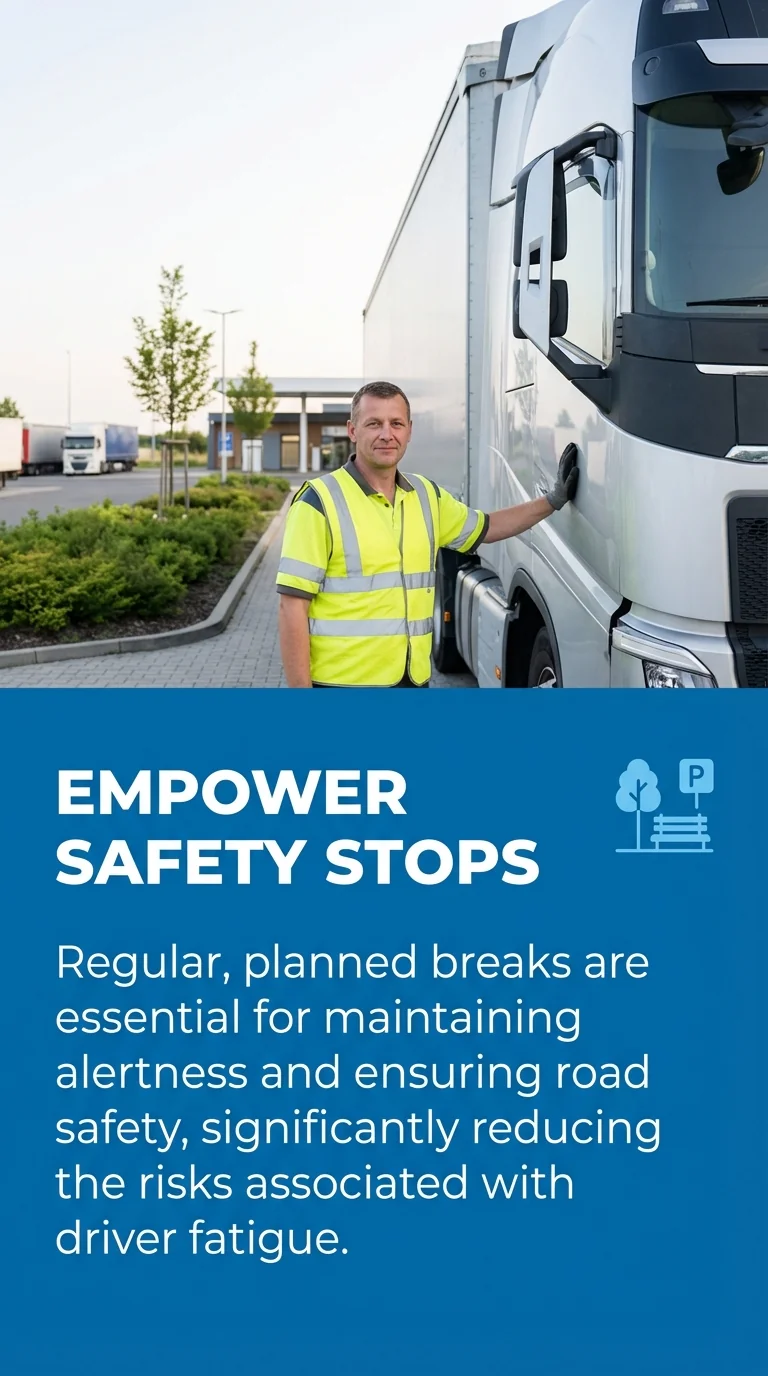
Technology systems can support fatigue management. Electronic work diaries track hours automatically and alert drivers approaching limits. Some telematics systems detect driving patterns associated with fatigue, such as lane deviation or erratic speed control.
Learn more about systematic approaches to managing driver fatigue and other safety concerns in our guide on implementing safety management systems.
Technology Solutions for Enhanced Safety
Technology tools provide new capabilities for monitoring, preventing, and responding to safety issues. Strategic adoption of these systems enhances traditional safety practices.
Telematics systems collect real-time data on vehicle location, speed, harsh braking events, rapid acceleration, and idling. This data enables coaching conversations grounded in objective information rather than subjective observations. Fleet managers can identify patterns across drivers and vehicles that indicate training needs or maintenance issues.
Collision avoidance systems use sensors and cameras to detect potential impacts. These systems can provide warnings to drivers or automatically apply braking when collisions are imminent. Forward collision warning, lane departure warning, and blind spot detection reduce incidents caused by inattention or limited visibility.
Selecting and Implementing Safety Technology
Consider these factors when evaluating technology solutions:
| Technology Type | Primary Benefit | Implementation Consideration |
|---|---|---|
| Telematics | Driving behavior monitoring and fleet visibility | Requires driver training on scoring metrics |
| Dash Cameras | Incident documentation and exoneration | Address privacy concerns proactively |
| Electronic Logs | Automated hours of service compliance | Ensure integration with payroll systems |
| Collision Avoidance | Prevents rear-end and lane departure incidents | Higher initial cost but demonstrable ROI |
| Tire Pressure Monitoring | Reduces tire-related breakdowns and blowouts | Regular calibration maintains accuracy |
Successful technology adoption requires driver buy-in. Explain how systems benefit drivers through improved safety, fair performance evaluation, and protection from false claims. Provide thorough training on how systems work and how data will be used.
Emerging technologies continue expanding safety capabilities. California plans to integrate AI into traffic management using sensors, weather stations, and cameras to issue real-time alerts, demonstrating how infrastructure-level technology may soon support fleet operations.

For specific insights on one emerging technology, explore our analysis of driver-facing cameras and their impact on road safety.
Building a Safety-First Culture
Technology and procedures provide frameworks, but culture determines whether those frameworks actually influence daily decisions. A genuine safety culture exists when every team member views safety as their personal responsibility.
Leadership commitment manifests through visible actions. When executives participate in safety meetings, investigate incidents personally, and allocate resources to safety improvements, they signal organizational priorities. Budget decisions reveal true commitment more clearly than mission statements.
Communication channels should encourage reporting without fear of blame. Near-miss reporting systems identify hazards before incidents occur. When drivers and operational staff feel safe reporting concerns, organizations gain early warning of developing problems.
Cultural Elements That Support Safety
Build these practices into your operational rhythm:
- Regular safety meetings that discuss recent incidents, emerging hazards, and procedural improvements
- Recognition programs that celebrate safe behaviors and incident-free performance without creating pressure to hide problems
- Incident investigation focused on system improvements rather than individual blame
- Clear authority for any team member to stop operations when safety is compromised
- Continuous improvement processes that incorporate front-line feedback into policy updates
New employees absorb cultural messages from their earliest interactions. Onboarding processes should explicitly communicate safety expectations and demonstrate organizational commitment through resource allocation and policy enforcement.
Measure safety culture through surveys, incident analysis, and participation rates in reporting systems. When reporting increases while incidents decrease, culture is strengthening. When reporting drops, fear or resignation may be suppressing important information.
Understanding common obstacles to safety helps address them systematically. Our guide on common transport safety issues identifies patterns that undermine safety culture and suggests targeted responses.
Emergency Preparedness and Response Plans
Incidents occur despite prevention efforts. Effective emergency response minimizes harm when things go wrong.
Emergency plans should address probable scenarios based on your operations. Vehicle fires, cargo spills, medical emergencies, severe weather events, and collisions each require specific response procedures. Document these procedures and ensure all relevant personnel have access.
Train drivers on immediate response actions. This includes securing the scene, notifying emergency services, providing first aid when qualified, and documenting incident details. Equip vehicles with emergency supplies including fire extinguishers, first aid kits, warning triangles, and spill containment materials appropriate to cargo types.
Response Protocol Elements
Effective emergency response protocols include:
- Clear communication procedures including who to notify and in what sequence
- Specific actions for different incident types with decision trees for complex situations
- Documentation requirements including photos, witness information, and condition reports
- Media response guidelines to protect organizational reputation while cooperating with authorities
- Follow-up procedures including incident investigation, corrective actions, and affected party support
Practice emergency procedures through drills and tabletop exercises. This identifies gaps in plans and builds confidence in execution. Review and update plans annually or after significant incidents to incorporate lessons learned.
Maintain current contact information for emergency services, towing companies, repair facilities, and legal advisors. In the immediate aftermath of serious incidents, knowing who to call reduces response time and stress.
Regulatory Compliance and Documentation
Compliance documentation demonstrates due diligence to regulators while providing evidence of your safety system effectiveness. Systematic record-keeping supports both regulatory requirements and continuous improvement.
Required documentation varies by jurisdiction but typically includes driver qualification files, vehicle maintenance records, hours of service logs, training records, and incident reports. Digital systems simplify storage, retrieval, and analysis of these records.
Regular audits verify that documented procedures match actual practices. Internal audits identify gaps before regulatory inspections occur. Address findings promptly with corrective actions that prevent recurrence.
Documentation Best Practices
Maintain records that demonstrate your safety system in action:
| Record Type | Retention Period | Key Contents |
|---|---|---|
| Driver Training | Duration of employment plus 5 years | Dates, topics, assessment results, trainer details |
| Vehicle Maintenance | Life of vehicle plus 2 years | Service dates, work performed, parts replaced, inspector |
| Incident Reports | 7 years minimum | Circumstances, parties involved, actions taken, investigation findings |
| Safety Audits | 5 years | Scope, findings, corrective actions, verification |
Organize documentation to support efficient retrieval during regulatory audits or legal proceedings. Clear indexing and consistent naming conventions enable quick location of specific records.
Stay informed about regulatory changes that affect your operations. Subscribe to updates from relevant authorities, participate in industry associations, and consult specialists when significant changes occur. Our guide to common transport safety challenges addresses how regulatory complexity impacts operational decision-making.
Measuring Safety Performance and Continuous Improvement
Measurement enables management. Track meaningful safety metrics to identify trends, evaluate initiatives, and demonstrate progress.
Leading indicators predict future performance. These include training completion rates, inspection compliance percentages, near-miss reporting frequency, and maintenance schedule adherence. Leading indicators allow intervention before incidents occur.
Lagging indicators measure outcomes. Incident frequency rates, severity rates, vehicle downtime, and regulatory violations indicate safety system effectiveness. While lagging indicators confirm results, they represent events you aim to prevent.
Key Safety Metrics
Monitor these indicators to assess safety performance:
- Incident rate per million kilometers traveled, adjusted for fleet size
- Days since last recordable incident, tracked by facility and fleet segment
- Percentage of scheduled maintenance completed on time
- Driver scorecard averages across categories like speeding, harsh braking, and seatbelt use
- Training compliance percentage for required courses and refreshers
- Near-miss reports per quarter with trends in hazard categories
Review metrics regularly with leadership and operational teams. Monthly reviews identify developing trends while quarterly deep dives assess strategic initiatives. Share appropriate metrics with drivers to reinforce individual accountability for safety outcomes.
Use data to guide resource allocation. When specific hazards appear repeatedly in incident analysis, direct training and equipment investment toward those areas. Benchmark against industry standards to identify relative performance gaps.
Continuous improvement requires systematic learning from experience. Incident investigation should identify root causes rather than stopping at proximate causes. When investigations reveal system weaknesses, update procedures to prevent similar incidents across the organization.
Taking Action on Transport Safety
Transport safety improvement starts with honest assessment of current practices. Review the areas covered in this article and identify gaps between your current state and the practices described.
Prioritize actions based on risk and feasibility. Address high-risk gaps immediately, even with temporary measures. Build longer-term improvements into strategic plans with defined timelines and accountability.
Start with driver training and vehicle maintenance if these fundamentals need strengthening. A safety culture built on solid operational practices delivers better outcomes than advanced technology applied to weak foundations.
Engage your team in the improvement process. Drivers and operational staff understand practical challenges that desk-based planning might miss. Their input improves solution quality while building ownership of changes.
Remember that safety investment delivers returns beyond regulatory compliance. Reduced incidents lower insurance costs, improve equipment longevity, and strengthen relationships with clients who value supply chain reliability. Organizations recognized for safety excellence attract better drivers and command premium rates for their services.
Review your transport safety practices systematically using the framework in this article. Document current gaps, develop action plans with specific timelines, and measure progress using the metrics discussed. Safety improvement is continuous work, not a one-time project.