
Safety management system software transforms how organizations prevent incidents and maintain regulatory compliance. These platforms provide centralized incident tracking, audit management, risk assessment tools, and real-time reporting dashboards that turn safety data into actionable insights for leadership.
When you implement the right safety management software, you’re not just checking compliance boxes. You’re building a system that reduces workplace injuries, streamlines regulatory reporting, and creates a culture where safety becomes part of daily operations rather than an afterthought.
The challenge most organizations face isn’t recognizing the need for better safety management. It’s understanding which software capabilities actually drive results and how to choose a platform that fits your operational reality rather than forcing your operations to fit the software.
This guide breaks down the essential features of safety management system software, from incident management and compliance tracking to risk assessment and mobile accessibility. You’ll understand which capabilities matter most for your industry, how these systems integrate with existing workflows, and what to look for when evaluating platforms.
What Safety Management System Software Actually Does
Safety management system software centralizes all safety-related activities into a single platform. Instead of managing incidents in spreadsheets, tracking audits in email threads, and storing compliance documents across multiple file systems, these platforms bring everything together.
The core value comes from visibility and automation. Safety management software reduces costs associated with workplace injuries, regulatory fines, and operational downtime by improving data visibility and automating compliance tasks.
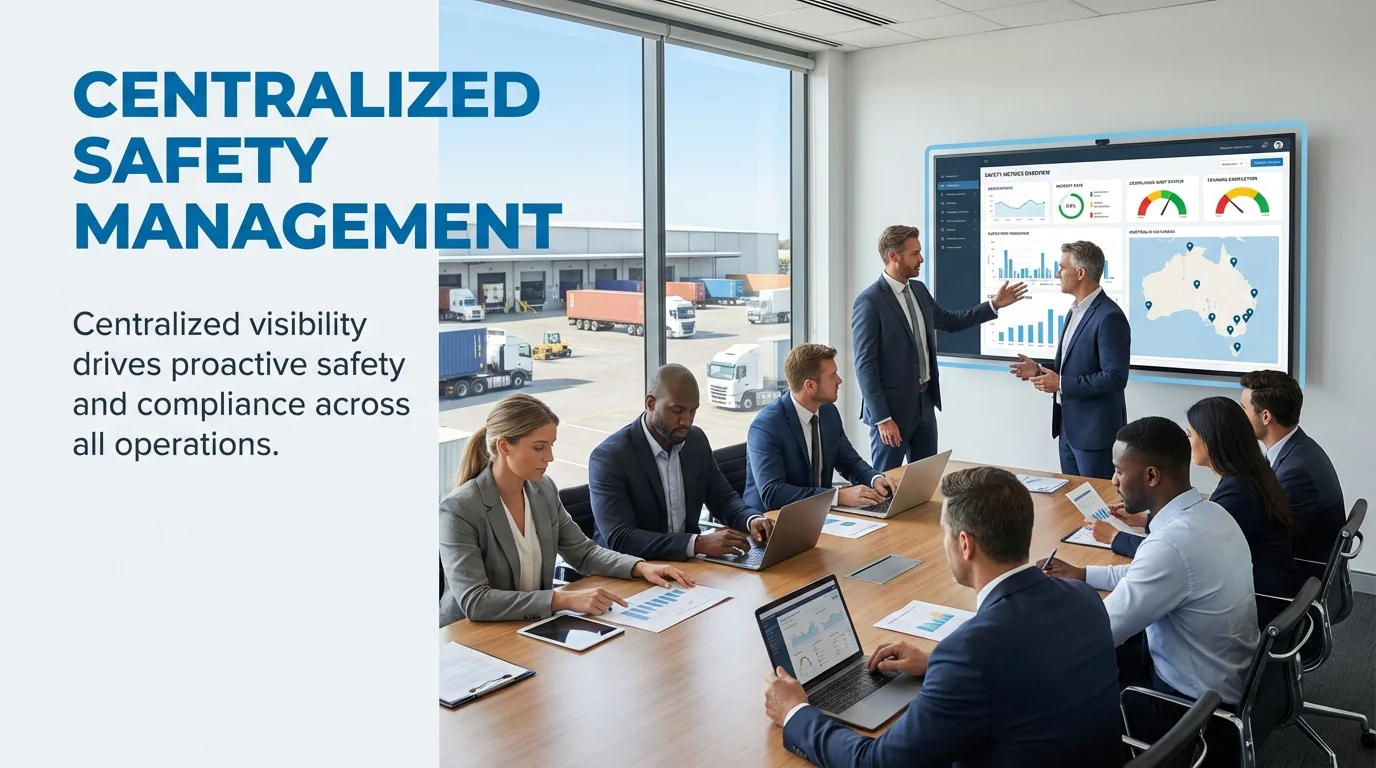
Modern EHS software includes incident reporting modules where workers can log safety concerns from any device. Inspection management tools that guide auditors through standardized checklists. Risk assessment frameworks that help identify hazards before they cause incidents. Training management systems that track certifications and ensure compliance with qualification requirements.
The real power emerges when these modules work together. An incident report automatically triggers a corrective action. A failed inspection creates a task assignment. An expiring certification sends alerts to both the employee and their supervisor.
For organizations managing heavy vehicle operations under Chain of Responsibility frameworks, this integration becomes particularly important. Safety management systems require specific tools and components that connect driver behavior, vehicle maintenance, loading procedures, and scheduling decisions into a cohesive compliance framework.
Core Features That Define Effective Safety Management Software
Not all safety management software includes the same capabilities. Understanding which features drive actual safety improvements helps you evaluate platforms based on operational needs rather than marketing claims.
Incident Management and Investigation Tracking
Incident management forms the foundation of most safety management systems. Workers need the ability to report incidents, near-misses, and safety observations quickly, without navigating complex forms or waiting to access desktop computers.
Effective incident reporting includes photo capture, location tagging, and witness statements collected at the point of occurrence. The software should route reports to appropriate supervisors based on incident type, severity, and location.
Investigation workflows guide teams through root cause analysis. They document findings, assign corrective actions, and track completion. The system should prevent closing incidents until all corrective actions reach completion and verification.

Compliance Management and Regulatory Tracking
Compliance management tools centralize regulatory requirements across jurisdictions and industry standards. They track which regulations apply to your operations, what documentation you need to maintain, and when compliance activities require completion.
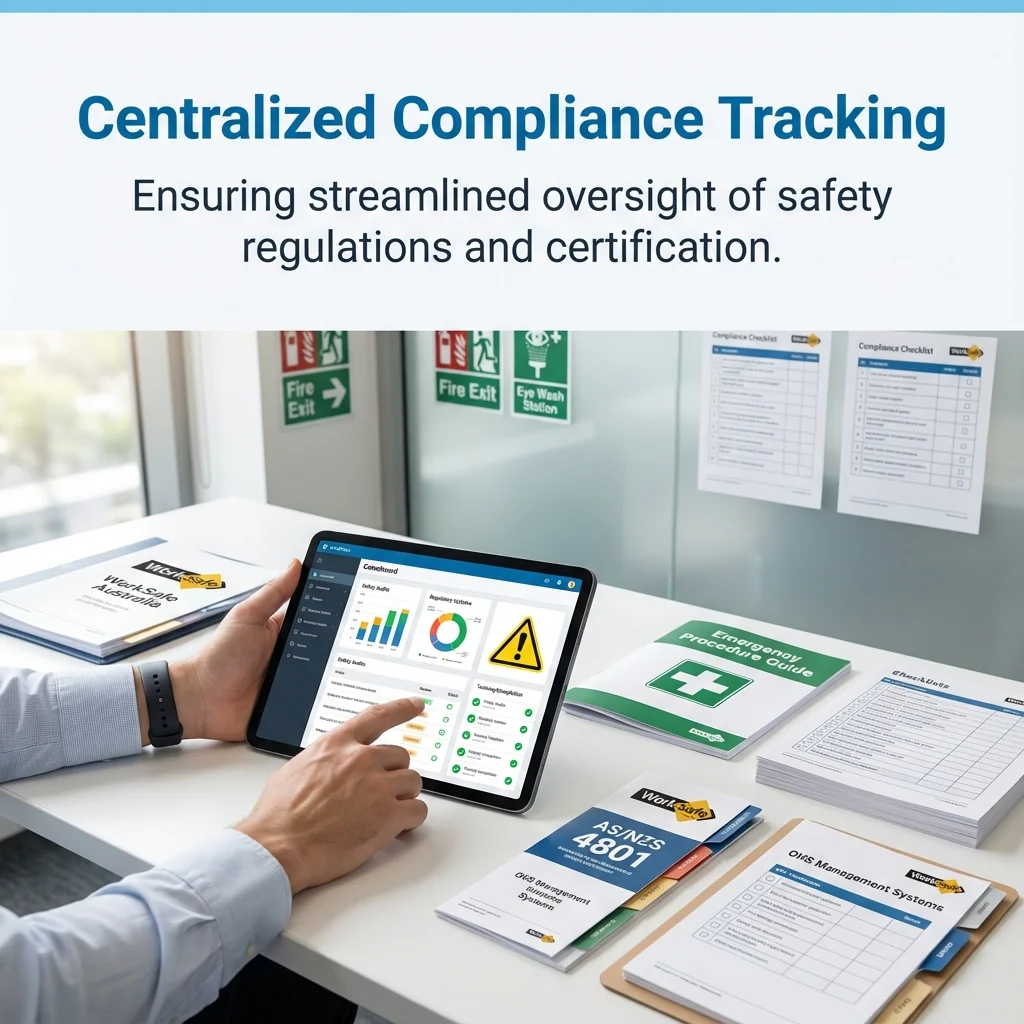
Calendar-based alerts notify responsible parties before deadlines. Document control features manage policy versions, approval workflows, and distribution tracking. Compliance dashboards show status across all requirements, highlighting gaps that need attention.
For organizations operating across multiple sites or jurisdictions, the system should accommodate varying regulatory requirements while maintaining consistent safety standards across all locations.
Audit and Inspection Capabilities
Audit management modules standardize inspection processes across facilities and audit teams. They provide customizable checklists that guide inspectors through required observations, ensure consistent evaluation criteria, and capture evidence through photos and notes.
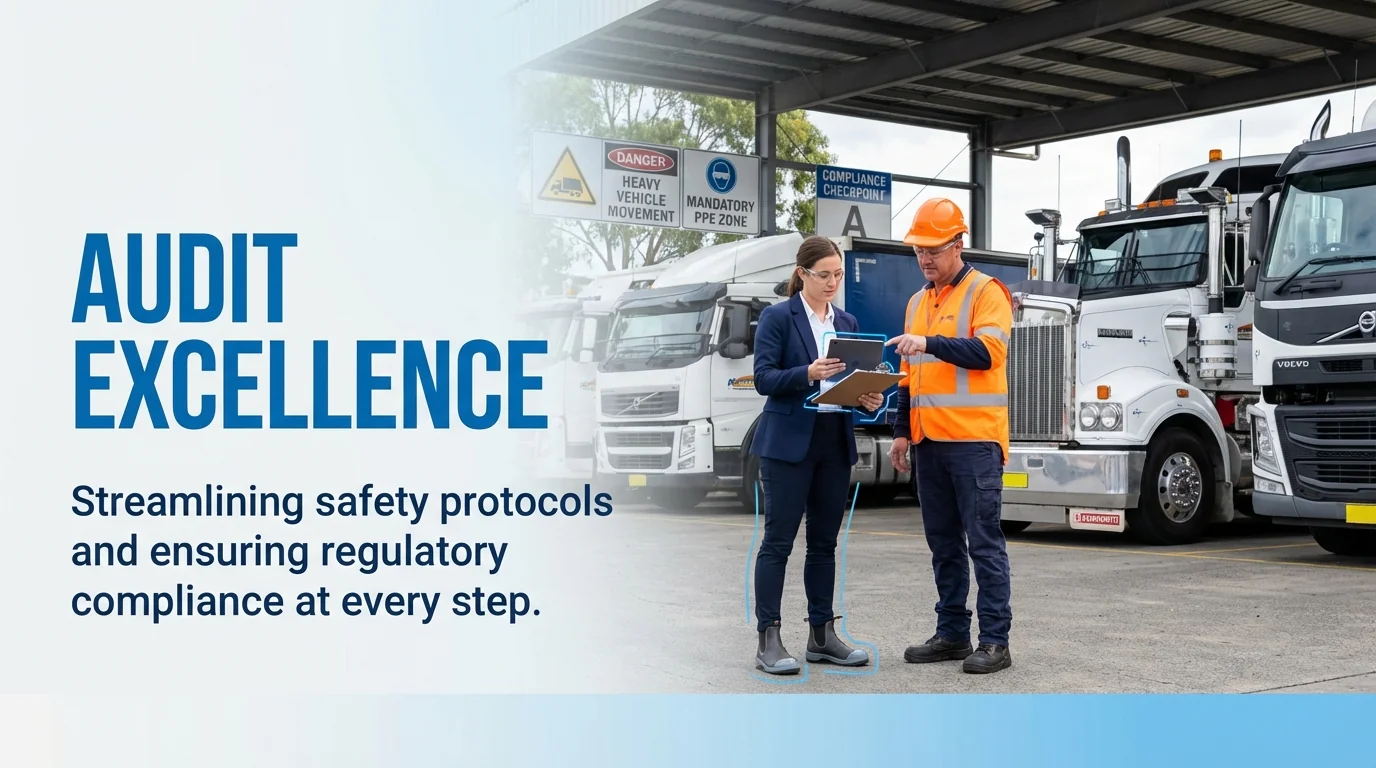
Scheduling tools plan inspections based on frequency requirements, assign inspectors, and send reminders. Offline capability ensures inspectors can complete audits in areas without network connectivity, syncing results when connection returns.
Failed inspection items automatically generate corrective action tasks. Follow-up inspections verify corrections. Trend analysis identifies recurring issues that require systemic intervention rather than repeated corrective actions.
Organizations implementing safety management systems need audit capabilities that support both internal assessments and external certification requirements.
Risk Assessment and Hazard Identification
Risk assessment tools help teams systematically identify workplace hazards, evaluate their potential impact, and prioritize mitigation actions. The software should support standard risk assessment methodologies while allowing customization for industry-specific requirements.
Hazard registers maintain an ongoing record of identified risks, their current mitigation status, and responsible parties. Risk matrices visualize probability and consequence, helping leadership allocate resources to the highest-priority risks.
The system should link hazard assessments to specific work areas, equipment, or activities. When someone reports an incident, the software should check if an existing hazard assessment covered that risk and whether current controls proved inadequate.
Advanced platforms include predictive capabilities. Safety platforms with AI or advanced analytics aim to provide clear, actionable data for EHS professionals, turning incident, inspection, and observation data into insights for risk prediction and prevention.
Advanced Capabilities That Enhance Safety Performance
Beyond core incident and compliance features, sophisticated safety management software includes capabilities that drive continuous improvement and deeper safety culture development.
Training Management and Competency Tracking
Training management modules track employee certifications, qualification requirements, and training completion. They maintain records of who completed what training, when certifications expire, and which employees qualify for specific tasks or equipment operation.
Automated alerts notify employees and supervisors before certifications expire. The system should prevent task assignments to unqualified workers and flag compliance gaps during audit preparation.
Integration with learning management systems delivers training content directly through the safety platform. Competency assessments verify that training translated into actual capability rather than just attendance records.
For Chain of Responsibility compliance, training records demonstrate that all parties in the supply chain received appropriate safety instruction and understand their obligations under Heavy Vehicle National Law.
Corrective and Preventive Action Management
CAPA systems track actions from identification through verification of effectiveness. They assign responsibilities, set deadlines, and escalate overdue items to ensure nothing falls through gaps.
Effective corrective action workflows distinguish between immediate fixes and root cause mitigation. The system should guide teams through problem analysis, solution development, implementation, and verification that the solution actually prevents recurrence.
Preventive action capabilities identify potential issues before they cause incidents. Trend analysis across incidents, inspections, and observations reveals patterns that indicate systemic risks requiring proactive intervention.
Reporting and Analytics Dashboards
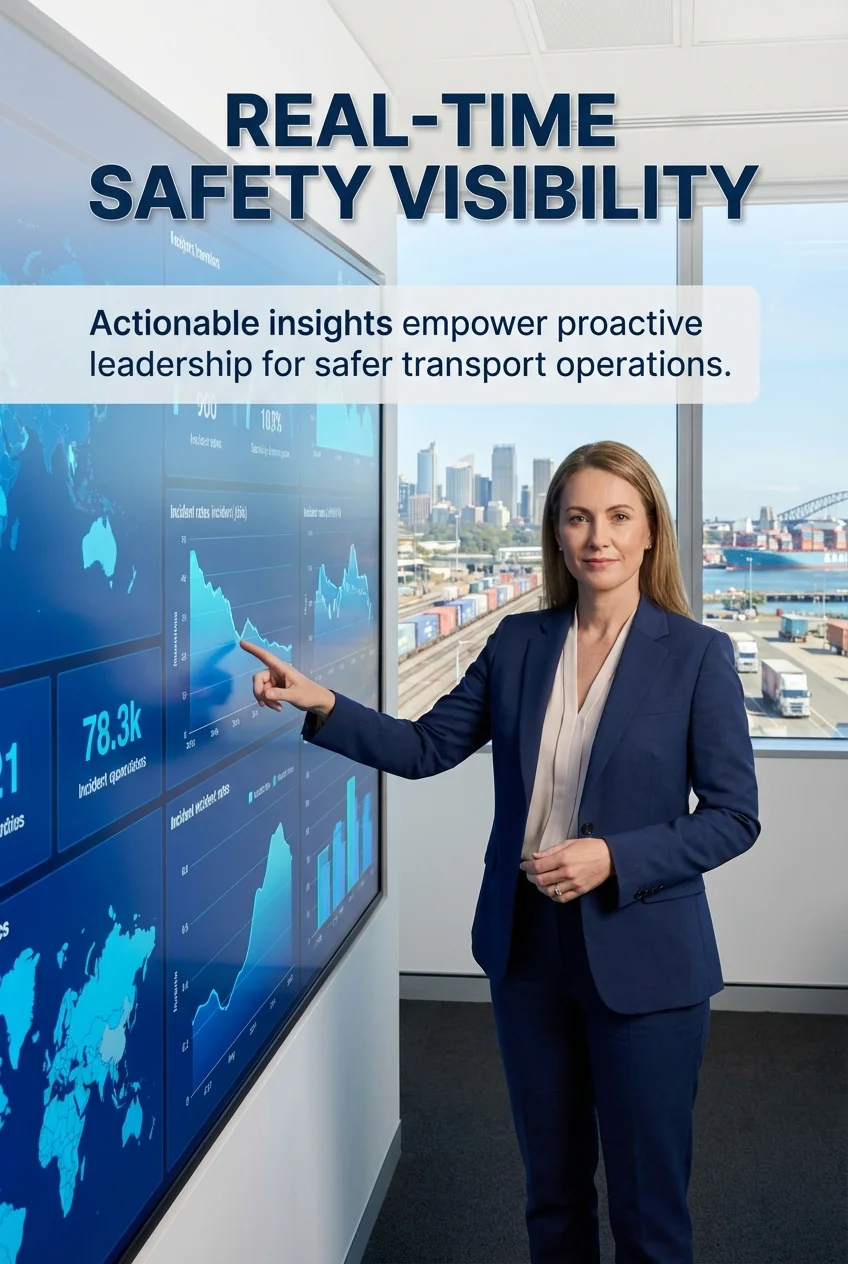
Executive dashboards present key safety metrics including incident rates, inspection completion, overdue corrective actions, and compliance status. Drill-down capabilities let managers investigate specific locations, departments, or time periods showing concerning trends.
Customizable reports support both internal management reviews and external regulatory submissions. The software should generate OSHA logs, injury statistics, and compliance documentation with minimal manual data manipulation.
Leading indicators like near-miss reporting rates, safety observation submissions, and proactive hazard identifications provide forward-looking metrics that complement traditional lagging indicators like injury rates.
Organizations that understand safety management system benefits recognize that visibility into safety data transforms how leadership makes operational decisions.
Industry-Specific Safety Management Solutions
Safety management requirements vary significantly across industries. The software that works well for office environments fails to address the complex hazards facing construction, manufacturing, or transportation operations.
Construction and Infrastructure
Construction safety software needs robust mobile capabilities for field reporting. Projects span multiple sites with transient workforces. The software must track contractor safety qualifications, site-specific inductions, and permit-to-work systems.
Equipment inspection modules support pre-start checks for plant and machinery. Hazard identification tools document site-specific risks that change as projects progress. Integration with project management systems ensures safety planning aligns with construction schedules.
Manufacturing and Industrial Operations
Manufacturing environments require machine-specific safety procedures, lockout-tagout tracking, and process safety management. The software should support management of change workflows that assess safety implications before modifying production processes.
Integration with maintenance management systems ensures safety-critical equipment receives scheduled servicing. Chemical management modules track hazardous substances, safety data sheets, and exposure monitoring.
Transportation and Logistics
Transport safety management includes driver qualification tracking, vehicle inspection management, fatigue management, and load restraint verification. Chain of Responsibility compliance requires documenting decisions across multiple parties in the supply chain.
The software should track driver hours, rest breaks, and compliance with work and rest requirements. Vehicle inspection apps guide drivers through pre-trip checks with immediate reporting of defects.
Integration with telematics systems provides objective data on driver behavior, harsh braking events, and speeding incidents. This data feeds into coaching programs and targeted training interventions.
Organizations facing transport safety challenges need platforms that address the specific regulatory frameworks governing heavy vehicle operations.
Mining and Resources
Mining safety software manages high-consequence risks including confined spaces, working at heights, and hazardous atmosphere monitoring. Permit-to-work systems control access to high-risk activities.
Contractor management becomes particularly important in mining operations with multiple contractors working across large sites. The software must verify contractor safety qualifications, inductions, and compliance with site-specific safety requirements.
Emergency response capabilities include mustering systems, evacuation procedures, and incident command tools that coordinate response activities during major incidents.
Cloud-Based Platform Benefits and Mobile Accessibility
Deployment architecture significantly impacts how effectively safety software supports day-to-day operations. Cloud-based platforms offer distinct advantages over traditional on-premise installations.
Cloud platforms eliminate the need for organizations to maintain servers, manage software updates, or worry about data backup infrastructure. The vendor handles system maintenance, security patches, and performance optimization.
Scalability becomes straightforward. Organizations can add users, expand to new sites, or enable additional modules without hardware purchases or extended implementation projects. Pricing typically scales with usage rather than requiring large upfront capital investments.
Data accessibility improves when safety information lives in the cloud. Managers can review incident reports from any location. Executive dashboards remain current regardless of where leadership accesses them. Multi-site organizations gain consistent visibility across all operations.
Mobile accessibility transforms how frontline workers engage with safety systems. Workers report incidents from their smartphones at the point of occurrence. Inspectors complete audits on tablets while walking production floors. Supervisors approve corrective actions between meetings without returning to their desks.
Offline capability addresses connectivity challenges in remote locations, underground operations, or areas with unreliable networks. The mobile app stores data locally and syncs when connection returns, ensuring inspection and reporting activities continue regardless of network availability.
Integration Capabilities and System Connectivity
Safety management software rarely operates in isolation. Integration with other business systems enhances functionality and eliminates duplicate data entry.
Human resources integration ensures employee data stays synchronized. When someone joins the organization, their safety training requirements automatically populate. When they change roles, the system updates their qualification requirements and access permissions.
Maintenance management integration links safety-critical equipment maintenance to the CMMS. Failed safety inspections generate work orders. Completed maintenance updates equipment safety status.
Enterprise resource planning integration connects safety data to operational planning. The system can verify that workers assigned to tasks hold required qualifications. Safety incidents link to affected cost centers for accurate safety cost allocation.
Learning management system integration delivers safety training through existing training platforms while maintaining certification records in the safety system. Employees access training without navigating multiple systems.
Document management integration ensures safety procedures, policies, and work instructions remain current. Version control prevents workers from accessing outdated procedures. Distribution tracking confirms employees received policy updates.
API availability allows custom integrations with industry-specific systems. Transportation operations integrate with fleet management and telematics platforms. Manufacturing operations connect to production control systems.
Implementation Considerations and Change Management
Successful safety software implementation requires more than technical configuration. The platform must fit your operational workflows, and your team must adopt it as their primary safety management tool.
Start by mapping current safety processes before configuring the software. Identify which workflows work well and should transfer directly to the new platform. Recognize which processes need improvement and use implementation as an opportunity to redesign them.
Configuration should reflect your organizational structure, reporting relationships, and approval workflows. Generic out-of-the-box setups rarely match how your organization actually operates. Invest time in proper configuration rather than forcing your team to adapt to someone else’s workflow.
Data migration from existing systems requires careful planning. Clean up legacy data before migration. Establish clear data ownership for ongoing maintenance. Determine what historical data needs migration versus what can be archived separately.
User training determines adoption rates. Frontline workers need simple, task-focused training on mobile reporting. Supervisors require deeper training on investigation workflows and corrective action management. Leadership needs dashboard training to extract value from safety data.
Change management addresses resistance to new systems. Involve frontline workers in configuration decisions. Demonstrate how the system makes their jobs easier rather than adding administrative burden. Celebrate early wins to build momentum.
Phased rollout often works better than big-bang implementations. Start with core incident reporting. Add inspection capabilities once incident management stabilizes. Expand to risk assessment and training management as users become comfortable with the platform.
Organizations exploring safety management system examples can learn from how others structured their implementations to minimize disruption while maximizing adoption.
Vendor Selection Criteria and Evaluation Framework
Choosing safety management software involves evaluating both technical capabilities and vendor characteristics that determine long-term success.
Feature Completeness Assessment
Create a requirements matrix that lists essential capabilities, important features, and nice-to-have functionality. Rate each platform against these requirements based on demonstrations and detailed capability reviews.
Prioritize features that address your most significant safety challenges. If incident investigation represents your primary gap, weight those capabilities heavily. If regulatory compliance creates the most risk, emphasize compliance management features.
Verify that claimed features actually work as described. Request specific demonstrations of critical workflows. Test mobile applications on the devices your team will use. Review sample reports and dashboards to ensure they provide the insights you need.
Industry Experience and References
Evaluate vendor experience in your industry. Platforms designed for general workplace safety often lack capabilities needed for specialized industries. Ask for references from organizations with similar operations, size, and regulatory environment.
Review case studies focusing on implementation challenges and how the vendor addressed them. Speak directly with reference customers about their experience, particularly around support responsiveness and product development direction.
Support and Customer Success
Understand what support comes standard and what costs extra. Response time commitments matter when system issues prevent safety reporting. Availability of local support can be important for organizations operating across multiple time zones.
Customer success programs help you extract maximum value from the platform. Ask how the vendor supports customers beyond initial implementation. What training resources exist? How often do they release updates? Do they provide strategic reviews to ensure you’re using the system effectively?
Pricing Structure and Total Cost
Compare pricing models across vendors. Some charge per user, others per site or module. Include implementation costs, training expenses, and ongoing support fees in your total cost comparison.
Understand what drives future cost increases. User-based pricing becomes expensive as organizations grow. Module-based pricing can result in unexpected costs when you need additional capabilities.
Consider return on investment timelines. Platforms that reduce incident costs, streamline audit preparation, or prevent regulatory fines justify their cost through measurable operational improvements.
Regulatory Compliance and Standard Alignment
Safety management software should support compliance with relevant regulations and alignment with international standards.
OSHA compliance in the United States requires specific documentation, injury reporting, and recordkeeping. The software should generate required OSHA logs, track recordable incidents according to regulatory definitions, and maintain documentation meeting retention requirements.
ISO 45001 provides an international standard for occupational health and safety management systems. Software aligned with ISO 45001 structures includes leadership engagement, worker participation, hazard identification, risk assessment, and continual improvement processes.
Organizations pursuing ISO 45001 management systems benefit from software that maps directly to standard requirements, simplifying both implementation and ongoing compliance.
Industry-specific regulations require specialized capabilities. Mining operations need compliance with MSHA requirements. Food manufacturing requires FSMA compliance. Healthcare facilities must meet OSHA bloodborne pathogen standards and other healthcare-specific regulations.
Chain of Responsibility compliance under Heavy Vehicle National Law requires documented evidence that all parties in the supply chain took reasonable steps to prevent breaches. The COR safety system framework provides a structure that software should support through clear accountability tracking and evidence collection.
Audit readiness becomes significantly easier when the software maintains organized, accessible records. Instead of scrambling to compile documentation when auditors arrive, you generate required reports and provide auditors direct system access to review evidence.
Data Security and Privacy Considerations
Safety management systems contain sensitive information including personal employee data, incident details, investigation findings, and proprietary safety procedures. Data security and privacy protections matter significantly.
Evaluate vendor security certifications including SOC 2, ISO 27001, or industry-specific security standards. Understand where data is physically stored and what jurisdictional privacy laws apply.
Access controls should enforce role-based permissions. Not every user needs access to all information. Incident investigators see different data than frontline workers. Executives access aggregate reports without viewing individual employee details unnecessarily.
Audit trails track who accessed what information and when. This accountability prevents unauthorized access and supports investigations when data breaches or privacy violations occur.
Data backup and disaster recovery procedures ensure safety records remain available even during system outages or disasters. Understand backup frequency, retention periods, and recovery time commitments.
Privacy compliance with GDPR, CCPA, or regional privacy regulations requires careful handling of personal information. The system should support data subject rights including access requests, correction requests, and deletion requirements where legally mandated.
Future-Proofing Your Safety Management Technology
Technology investments should remain valuable for years. Consider how platforms evolve and adapt to changing needs.
Product development roadmaps indicate where vendors plan to enhance capabilities. Regular feature releases suggest active development. Stagnant platforms without recent updates may indicate vendors shifting focus elsewhere.
Vendor financial stability matters for long-term platform viability. Established vendors with strong customer bases provide more confidence than startups that might not survive market changes.
Platform flexibility allows adaptation as your safety program matures. Can you easily add new incident types? Modify inspection checklists? Adjust approval workflows? Rigid systems that require vendor involvement for minor changes become frustrating over time.
Technology trends including artificial intelligence, machine learning, and predictive analytics are increasingly important in safety management. Platforms incorporating these capabilities help identify patterns humans miss and predict incidents before they occur.
Integration ecosystem growth indicates healthy platform development. Vendors adding integration options demonstrate commitment to making their platform work within broader technology environments rather than forcing isolated operation.
Understanding ISO 45001 for workplace safety helps contextualize how international standards drive safety management technology development and influence platform capabilities.
Measuring Safety Management Software Effectiveness
Implementing safety software should deliver measurable improvements in safety performance and operational efficiency.
Track leading indicators including incident reporting rates, near-miss submissions, safety observation frequency, and proactive hazard identifications. Increases in these metrics suggest growing safety engagement and early risk identification.
Monitor lagging indicators including injury rates, lost-time incidents, workers’ compensation costs, and regulatory citations. Decreases demonstrate that improved safety management translates into fewer actual incidents.
Measure operational efficiency improvements such as audit completion time, incident investigation cycle time, corrective action close-out rates, and compliance documentation preparation effort. These metrics show how the software streamlines safety operations.
Assess data quality improvements. Can you answer questions about safety performance that were previously difficult to answer? Do you have confidence in the accuracy of your safety metrics? Has data accessibility improved for decision-makers?
Evaluate user adoption through login frequency, mobile app usage, and percentage of incidents entered directly by workers versus entered by supervisors on their behalf. High adoption indicates the system meets user needs.
Calculate return on investment by quantifying cost reductions in incident costs, compliance preparation effort, regulatory fines avoided, and insurance premium reductions. Compare these savings against platform costs.
Review qualitative feedback from users about how the system impacts their daily work. Safety becomes more manageable when good tools support the people responsible for maintaining it.